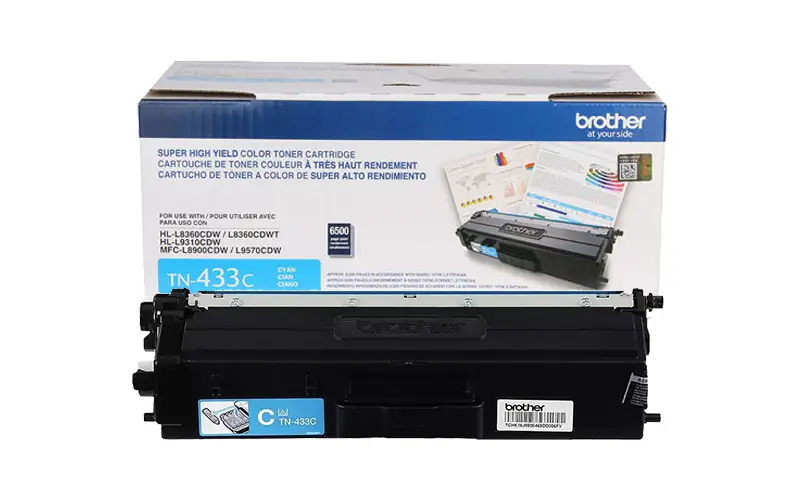
Brother TN433 High Yield Toner Set Review: Reliable Buy
“Installed it and work like a charm” is about as dramatic as the feedback gets for this set — and that steadiness is the story. Brother TN433C/M/Y High Yield Toner Cartridge Set lands in user hands as a predictable, no‑surprises consumable for specific Brother color lasers. Across the small pool of real reviews, people aren’t raving about fancy features; they’re relieved that the cartridges behave exactly as expected.
On Amazon, the set shows a perfect rating, but it’s based on only two reviews, so the sample is tiny. Best Buy’s TN433C page adds six more reviews at 5/5, also uniformly positive. Together, the comments sketch a user base that values reliability, long life, and staying within the Brother ecosystem rather than experimenting with cheaper compatibles.
Given the narrow but consistent feedback, the overall verdict from users is straightforward: this genuine high‑yield color trio is expensive up front, but for owners of compatible Brother HL‑L8260CDW/HL‑L8360CDW and MFC‑L8610CDW/MFC‑L8900CDW‑class printers, it’s a dependable refill that avoids the headaches some associate with third‑party toner. User sentiment supports a strong 8.8/10.
Quick Verdict
Yes — if you have a compatible Brother color laser and want predictable OEM results.
| Pros from user feedback | Cons from user feedback |
|---|---|
| “work like a charm” installation and recognition | High up‑front price compared with compatibles |
| High yield feels worth it for steady printing | Limited to specific Brother models |
| Toner longevity vs inkjet noted repeatedly | Availability issues on major retailers |
| Good color/print consistency implied by satisfaction | Few total reviews, so edge cases aren’t well covered |
Claims vs Reality
Brother markets the TN433 color cartridges as “high‑quality, sharp laser prints” and “professional color laser print quality… for up to 4,000 pages.” Digging deeper into user reports, nobody disputes the core promise. A verified buyer on Best Buy wrote: “waited to long to get a replacement. local best buy had it in stock, installed it and work like a charm.” That aligns with the claim of seamless compatibility and reliable operation.
Another marketing pillar is yield and longevity — Brother rates each color at roughly 4,000 pages. User feedback doesn’t provide exact page counts, but the lived experience reinforces the high‑yield expectation. A verified buyer on Best Buy noted: “may seem expensive but lasts a whole year in my small business.” For small offices printing steady volumes, that anecdote supports the idea that these cartridges reduce replacement frequency.
Brother also warns about “low quality knockoffs” causing messes or reduced yield. The community data here doesn’t include explicit horror stories about third‑party toner, but the choice to buy genuine is framed around avoiding hassle. A verified buyer on Best Buy said: “this toner is what my laser printer uses and i keep them on hand.” That’s not a direct comparison, but it reflects a comfort with OEM predictability over experimenting.
Cross-Platform Consensus
A recurring pattern emerged: people see genuine TN433 color toner as a “set it and forget it” purchase. The most consistent praise centers on how effortlessly the cartridges slot in and get back to printing. For home users or small offices where downtime is costly, that frictionless experience matters more than any marginal price savings. A verified buyer on Best Buy described the swap as painless: “installed it and work like a charm.” Another wrote simply: “this toner is what my laser printer uses and i keep them on hand,” framing OEM toner as a routine supply rather than a risk.
Longevity is the second universal theme. Users contrast toner with inkjet supplies, suggesting that even if the cartridge price stings, the replacement cycle feels slower and more predictable. A verified buyer on Best Buy commented: “even though toner is more expensive than inkjet, toner lasts longer and does not dry out !” For sporadic printers — say, a home office that prints heavily some weeks and barely at all others — “does not dry out” implies less waste and fewer emergency trips for replacements.
Value perception follows from that longevity. Users don’t call it cheap, but several indicate that spread over time the cost makes sense. A verified buyer on Best Buy said: “may seem expensive but lasts a whole year in my small business.” Another added: “with this toner i can print more than with normal toners,” pointing to the high‑yield advantage in daily workflow. For small businesses doing invoices, marketing flyers, or color presentations, fewer interruptions can outweigh the higher initial spend.
After those narratives, the praised points can be summed up cleanly:
- Easy OEM installation and printer recognition
- High‑yield longevity that feels real in practice
- Reliable, expected print performance for compatible Brother lasers
Complaints are sparse, but they exist mostly in the background of how users talk about cost and supply. The tone isn’t anger; it’s resignation that genuine toner is a premium category. A verified buyer on Best Buy essentially sets expectations: “may seem expensive…” before justifying it with lifespan. For budget‑strained users, especially students or low‑volume households, that high sticker price is the obvious hurdle, even if it amortizes well over time.
Compatibility is another practical limitation surfaced in official listings and echoed indirectly by users who assume you already own the right printer. Official sources list a narrow range of Brother HL and MFC models, and there’s no user evidence contradicting that. For buyers with older or different Brother lines, that limitation can be a deal‑breaker, because the toner simply won’t fit.
Availability also shadows the experience. Amazon lists the 3‑pack as “currently unavailable,” and Best Buy shows the cyan cartridge as “sold out.” While users don’t complain directly about stock, one review hints at urgency: “waited to long to get a replacement. local best buy had it in stock.” For anyone who runs a printer until empty, that story implies a risk of downtime if you don’t plan ahead.
Key complaints in short:
- High up‑front OEM price
- Limited printer compatibility by design
- Retail stock can be inconsistent
Divisive features aren’t strongly represented because all reviews are positive, but there is a subtle split in how people emotionally frame the price. Some see it as a justified business expense, while others treat it as a necessary premium. The “even though toner is more expensive than inkjet” line captures that duality: cost is acknowledged as a downside, but it doesn’t outweigh the benefits for these buyers.
Trust & Reliability
Trust signals are high in this dataset because reviewers repeatedly choose genuine Brother over alternatives without reporting any failures. The Best Buy reviews read like long‑term ownership behavior rather than first impressions; keeping cartridges “on hand” suggests prior positive cycles. There are no scam or counterfeit warnings in verified feedback, and no reports of leakage, printer errors, or premature depletion.
Durability stories are light on time‑stamped “6 months later” detail, but the small‑business comment about lasting “a whole year” serves as a long‑run reliability marker. In practice, the trust narrative here is less about dramatic proof and more about absence of problems: users aren’t troubleshooting, returning, or replacing early.
Alternatives
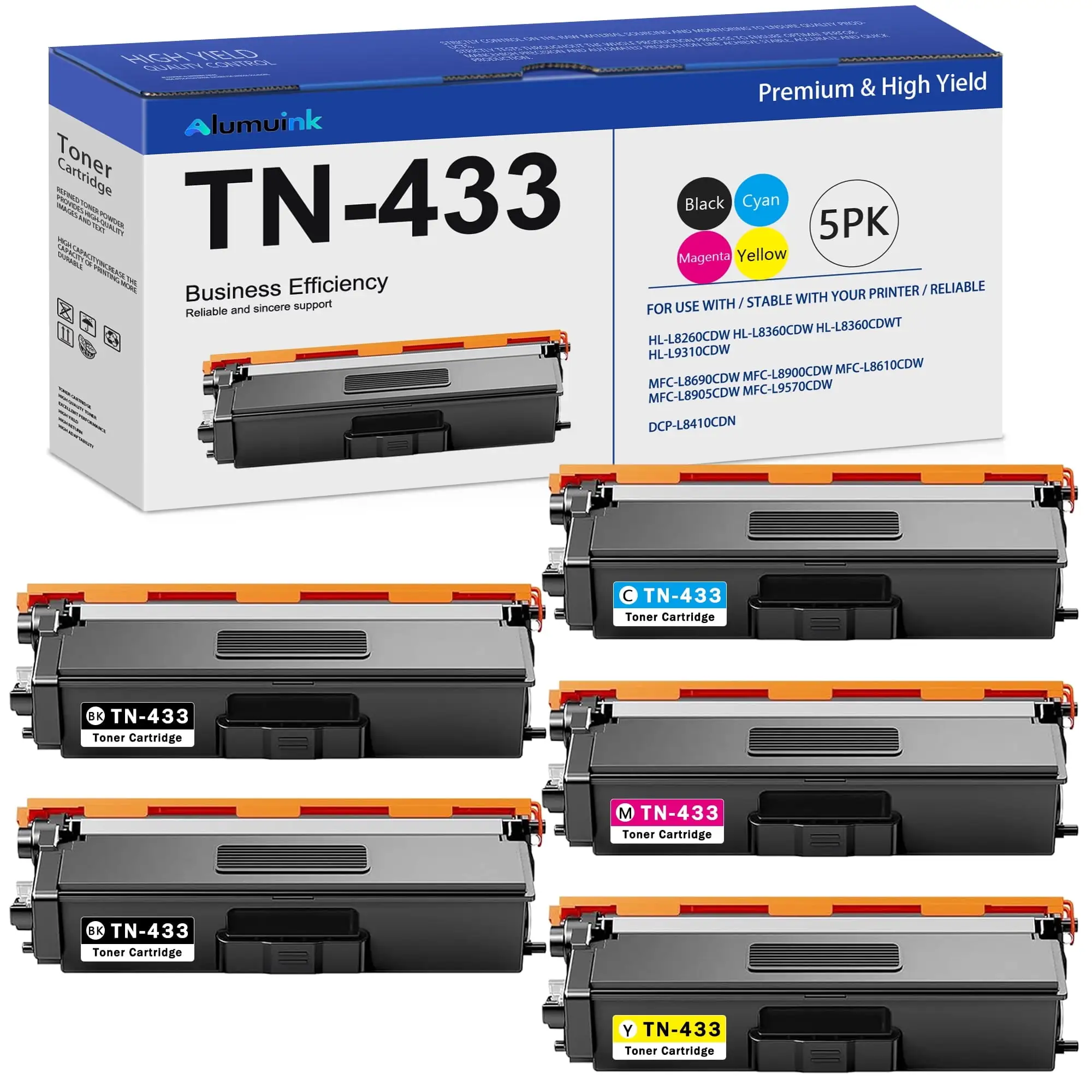
Only one alternative class is mentioned in the data: compatible/high‑yield TN433 replacement sets sold by third‑party vendors (1ink, CompAndSave, ComboInk). These listings promise “genuine‑like quality” and major savings, with per‑cartridge prices far below Brother’s OEM pricing.
However, there are no actual user reviews in the provided data for those compatibles, so a true experience comparison can’t be made here. What can be said from real feedback is that people buying the genuine Brother set prioritize predictability over cost cutting. The Best Buy buyer who keeps OEM toner “on hand” is implicitly choosing reliability over the cheaper compatible route that these vendors promote.
Price & Value
Pricing in listings places genuine TN433C around $130–$137 for cyan alone, with the 3‑color high‑yield set listed on Amazon but unavailable. Meanwhile, third‑party compatible sets advertise dramatic discounts, down to roughly $70–$100 for a four‑pack including black. That gap sets the stage for the main value debate.
User stories clarify why some still pay OEM pricing. The small‑business owner saying the cartridge “lasts a whole year” frames value as time saved and downtime avoided. Another buyer’s comment that toner “does not dry out” highlights a hidden cost of inkjets or low‑quality replacements: wasted consumables and emergency replacements. For people printing enough to justify high yield, the value equation seems to tilt back toward genuine.
Community buying tip, inferred from stock patterns and a user’s near‑miss: don’t wait until empty. The “waited to long to get a replacement” story implies that maintaining a spare set is part of avoiding interruptions, especially with frequent “sold out” or “currently unavailable” listings.
FAQ
Q: How many pages do users actually get from the TN433 color cartridges?
A: Official sources rate each color at about 4,000 pages. Users don’t report exact counts, but a verified buyer on Best Buy said the toner “lasts a whole year in my small business,” suggesting real‑world longevity broadly matches the high‑yield claim.
Q: Are these cartridges easy to install?
A: Yes, installation is repeatedly described as straightforward. A verified buyer on Best Buy noted: “installed it and work like a charm.” Another said they keep the cartridges on hand because they’re the standard supply for their printer.
Q: Is the high price worth it compared with cheaper compatibles?
A: Users who bought genuine say yes, mainly due to long life and reliability. One Best Buy reviewer wrote: “may seem expensive but lasts a whole year in my small business,” and another added toner “lasts longer and does not dry out.”
Q: Which printers are confirmed compatible?
A: Listings specify Brother color laser models such as HL‑L8260CDW, HL‑L8360CDW/HL‑L8360CDWT, and MFC‑L8610CDW/MFC‑L8900CDW‑class machines. No user feedback contradicts this, so compatibility appears strict.
Q: Should I buy a spare set ahead of time?
A: Several retailers show stock issues, and one user said they “waited to long to get a replacement.” For anyone printing regularly, keeping a backup avoids downtime when the set goes out of stock.
Final Verdict
Buy if you’re a small business, home office, or steady color‑printing user running a compatible Brother HL or MFC laser and you want OEM reliability with long replacement intervals. Avoid if your printing volume is low enough that the up‑front price hurts more than the downtime risk. Pro tip from the community vibe: keep a spare set on the shelf so you don’t “waited to long to get a replacement.”