Brother TN360 Toner Review: Reliable Pick, Few Fit Issues
“Crap! they changed the cartridge size! unusable.” That one Best Buy review lands like a warning siren in an otherwise glowing crowd: the Brother Genuine High Yield Toner Cartridge, TN360 is widely trusted for clean, long-lasting prints—but a small slice of buyers report sudden compatibility surprises. Verdict: strong, reliability-first pick with a few sharp edge cases. Score: 8.6/10.
Quick Verdict
Conditional Yes — if you want OEM reliability and consistent print quality, and you’re buying from a reputable retailer with an easy return window.
| What buyers highlight | Evidence from user feedback | Who it matters to |
|---|---|---|
| Clean, sharp output | “Copies are clean and focused.” (Best Buy reviewer) | Home office, contracts/reports |
| Easy install | “Easy to install in printer and works great.” (Best Buy reviewer) | Anyone avoiding troubleshooting |
| Long-lasting yield (often) | “You get thousands of pages out of it.” (Best Buy reviewer) | Schools, small business |
| OEM beats aftermarket (for many) | “Much better than aftermarket toner.” (Best Buy reviewer) | People burned by generics |
| Price can sting | “This cartridge isn't cheap…” (Best Buy reviewer) | Budget shoppers |
| Occasional fit/recognition issues | “Smaller and won't fit my printer… printer does not recognized it.” (Best Buy user peterm) | Owners of older Brother models |
Claims vs Reality
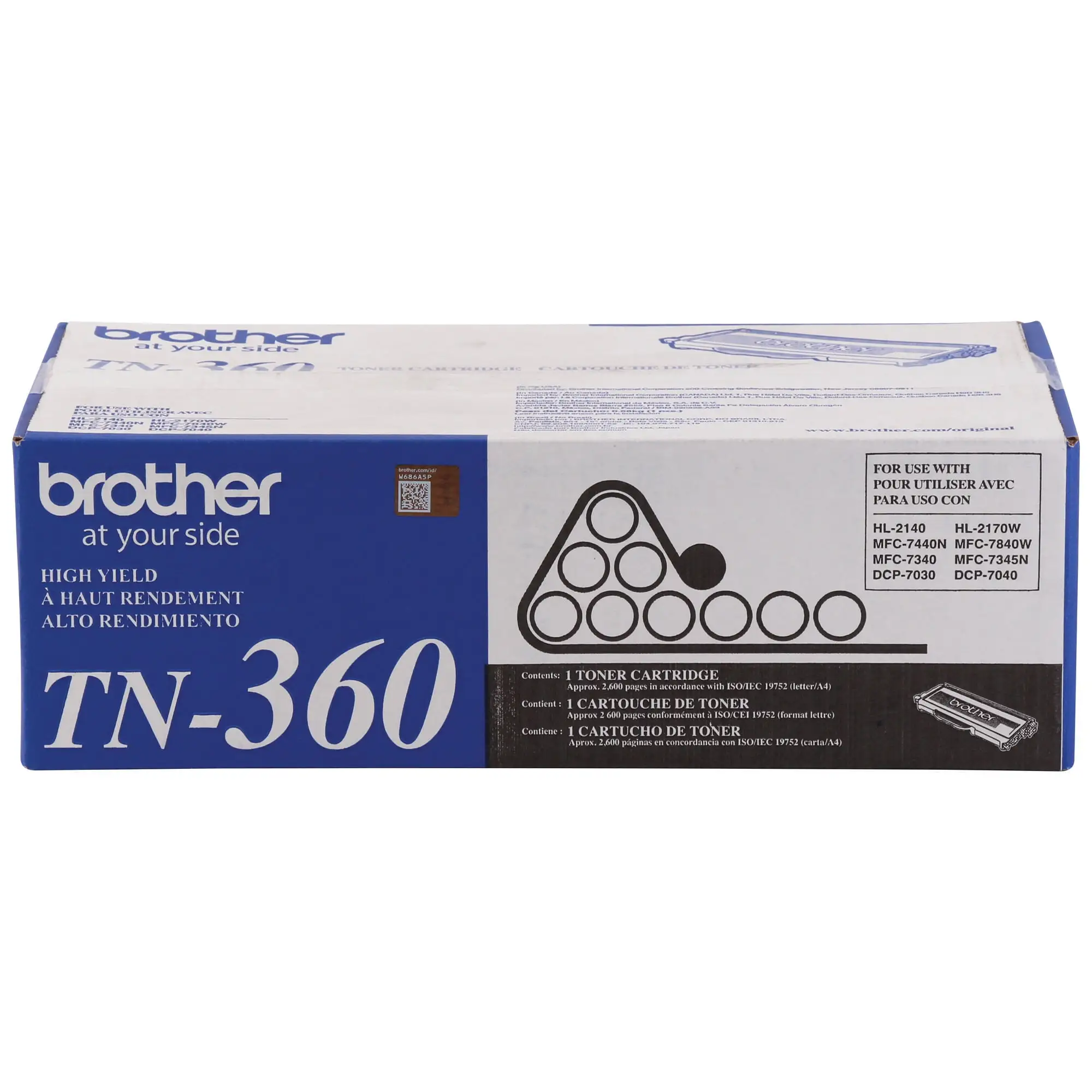
Brother’s official messaging is clear: Brother Genuine High Yield Toner Cartridge, TN360 is positioned as a high-yield, professional-quality cartridge rated for “up to 2,600 pages” (Brother USA and Brother Canada). That claim is echoed by retailers, including the Amazon listing describing “Approximately 2,600 Page Yield/Cartridge.” The data suggests many users experience the spirit of that promise—even if they don’t all count pages precisely.
Digging deeper into user reports, “high yield” often translates into fewer interruptions rather than an exact number. One Best Buy reviewer framed the value in practical terms: “This cartridge isn't cheap but you get thousands of pages out of it.” Another described endurance over warnings: “The high yield cartridge keeps on printing long after you get the low on toner warning.” For schoolwork and offices, that extra runway matters more than the ISO test method.
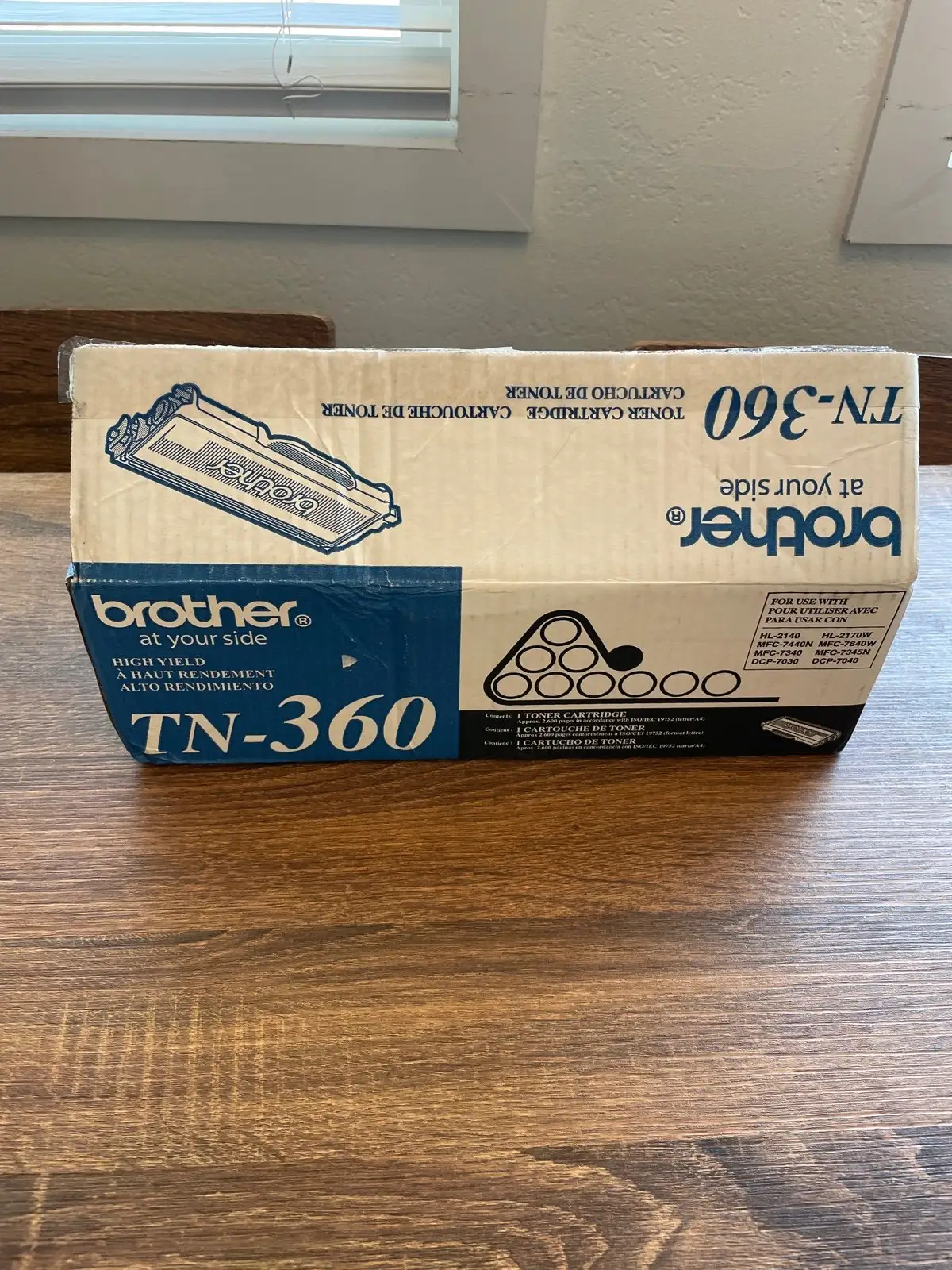
But the “works seamlessly” idea runs into friction for a few buyers. A recurring pattern emerged around compatibility/fit confusion, even with a part number that should be straightforward. Best Buy user peterm complained: “How come this is now a smaller cartridge?… this 3rd one is smaller and won't fit my printer. printer does not recognized it. unusable.” While the cartridge is officially listed for specific Brother models (e.g., HL-2140, HL-2170W, DCP-7030/7040, MFC-7340/7440N/7840W), that report shows real-world purchases can still go sideways—especially for people buying well after purchase or outside return windows.
- Claim: “Up to 2,600 pages” → Many users describe “thousands of pages,” but at least one complains it “run out waaaaaay to fast.”
- Claim: “Reliable operations / error-free performance” → Most praise “no problem,” but one user reports “won't fit” and “not recognized.”
- Claim: “Professional mono print quality” → Strong consensus around crisp text and “no smearing,” especially compared to generics.
Cross-Platform Consensus
Universally Praised
The loudest through-line across platforms is trust in OEM performance. For people printing business documents—contracts, invoices, forms—the value is predictability. One Best Buy reviewer put it plainly: “No problem with the ink. Work as advertised. Very good.” Another echoed that “works well” dynamic: “New toner cartridge for business printer. works well.” That “just prints” feeling is what many buyers seem to be paying for.
Print quality is the second major pillar. Several buyers describe output that’s crisp enough to feel “professional,” even if they’re using older printers. One reviewer said: “Works great. copies are clean and focused.” Another tied it to brand loyalty after trying alternatives: Best Buy user doncho wrote, “I bought third party toners before, but the copies would not come clean sometimes. This toner make great printouts everytime.” For a home office user who can’t afford streaks or gray text on scanned PDFs, these stories read like a case for sticking with genuine toner.
Ease of installation is consistently framed as low-drama. A Birdeye reviewer described the whole cycle—packaging to first print—without friction: “The cartridge came securely packed… installing it… was not difficult… pages came out clear and clean.” That’s especially meaningful for small businesses or households where the “printer person” isn’t a technician; it reduces downtime and eliminates the trial-and-error that often comes with remanufactured cartridges.
A smaller, but telling, praise: recycling convenience. One Best Buy reviewer highlighted a perk that reinforces “genuine” branding: “Also nice is that you can send in your old cartage in the same box the new one comes in with postage paid! so nice that i can recycle it free.” For offices trying to keep procurement and disposal simple, that kind of loop matters.
- Common praise themes: “works as advertised,” clean output, easy install, dependable OEM behavior, and long-lasting cartridges.
Common Complaints
Price is the most common pain point—and it’s not subtle. Even happy buyers often talk about “biting the bullet.” A Birdeye reviewer captured that mindset directly: “Bite the bullet buy the original… worth the extra cost.” On Best Buy, a similar sentiment appears with a hint of resignation: “This cartridge isn't cheap but you get thousands of pages out of it.” The pattern is consistent: buyers argue with themselves about cost, then justify it with yield and reduced hassles.
A recurring pattern emerged where “expensive” is mentioned alongside relief that it works reliably. Best Buy’s aggregated review snippet sums up that tone: some find it “expensive,” but still acknowledge “reliability and error-free performance.” For budget-constrained users—students printing assignments, families managing bills—this can be a genuine barrier even if the cartridge performs well.
Longevity complaints exist, even if they’re relatively rare in the provided excerpts. One Best Buy reviewer (in the cons-highlighted section) wrote: “Just seems to run out waaaaaay to fast… i did 4 school assignments and warning that its low.” That stands in tension with the many “lasts forever” takes. While officially rated around 2,600 pages under ISO/IEC 19752 conditions, real-world coverage (heavy blacks, graphics, draft settings, and printer calibration) may explain why some users feel yield drops quickly.
The sharpest complaint is compatibility/fit. Best Buy user peterm alleged a physical mismatch: “They changed the cartridge size! unusable… smaller and won't fit my printer… printer does not recognized it.” For owners of older Brother devices, that’s the nightmare scenario: you pay OEM prices, then lose weeks or months to a return cutoff.
- Most frequent negatives: high price, occasional “runs out fast” perceptions, and rare but severe fit/recognition reports.
Divisive Features
Aftermarket vs OEM is the most divisive theme. Many users treat genuine Brother toner as the safe choice, especially after bad experiences. One Best Buy reviewer argued OEM avoids mess: “Always get best results… no smearing or messy inks from oem products… you never know what you are getting from re-manufactured ink cartridges.” Another said generics “aren’t worth it.”
But not everyone sees OEM as the only viable path. In the ReviewIndex excerpts (compiled review analysis quotes), one buyer noted: “Fortunately, the compatible toner we bought at the same time and was much cheaper… gave us no problems whatsoever.” That creates a real split: reliability-minded users pay extra for peace of mind, while bargain hunters report that some compatibles can work fine—if you find a good source.
Even “yield” becomes divisive. Some describe it as “high output” and “long lasting,” while at least one calls out early low-toner warnings after “4 school assignments.” The lived experience varies, and buyers seem to interpret the same behavior (low-toner alerts) differently—one user even recommends a workaround: Best Buy user refill with quality advised, “take it out and give it a gentle shake when printing starts getting lighter.”
Trust & Reliability
Digging deeper into long-term stories, a durability narrative runs through multiple reviews: these cartridges keep older printers going. A Birdeye reviewer wrote: “This product has assisted in keeping my brother printer working for about ten years.” Best Buy users echo multi-year ownership: “Using this printer and toner for 10 years without a glitch,” and “I’ve been buying this same… cartridge for years.”
On scam concerns and marketplace reliability, the fear isn’t “fake” explicitly in the provided text, but it shows up as anxiety about inconsistent third-party quality and recognition errors. One Best Buy user’s complaint—“printer does not recognized it”—mirrors a classic counterfeit/compatibility worry, even though they were shopping a major retailer. Meanwhile, a Birdeye reviewer made the reliability case in business language: “Reliable and bullet proof… headache free performance… the extra money is the price for peace of mind.”
Alternatives
Only a few alternatives are directly named in the provided data, and they’re mostly framed as “aftermarket” or “generic” rather than specific brands. Best Buy reviewers repeatedly compare Brother Genuine High Yield Toner Cartridge, TN360 to third-party toner in terms of cleanliness and predictability: “Much better than aftermarket toner,” and “the generic cartridges aren’t worth it.”
The one named compatible supplier in the ReviewIndex quotes is “e-z ink,” referenced positively: “the compatible toner… was much cheaper… gave us no problems whatsoever.” That positions the alternative decision as a risk/reward trade: some compatibles can work well, but users describe needing time to figure out “which one” is reliable.
Price & Value
Pricing sentiment is split between sticker shock and value-over-time. Several buyers focus on total pages and reliability: “So much value… you get thousands of pages out of it.” Others focus on deal-hunting behavior: “Awesome… always a good price,” and another notes, “Best Buy periodically has special sales on ink cartridges.”
Resale and marketplace signals add another layer: eBay listings show many “open box” and “brand new… opened and resealed” TN360 cartridges, suggesting a secondary market where buyers can pay less—but may accept higher risk. That matters most to budget shoppers who still want “genuine/original,” especially if they’ve been burned by unknown generics.
A recurring buying tip embedded in user behavior is timing and retailer perks: reward points, price matching, and sales. One Best Buy reviewer said, “This was a great price… had it in stock… picked it up the very same day.” Another mentioned price matching: “Great price when you price match it with amazon!” For small offices, that’s the difference between paying OEM list price and something closer to “reasonable.”
FAQ
Q: Does the TN360 really last around 2,600 pages?
A: Official specs list “up to 2,600 pages” (Brother USA/Brother Canada/Amazon listing), and many buyers describe “thousands of pages.” Best Buy users said it “lasts a long time” and keeps printing after low-toner warnings, but one complained it “run out… too fast” after a few assignments.
Q: Is genuine Brother TN360 better than aftermarket toner?
A: Many reviewers strongly prefer OEM. Best Buy users wrote it’s “much better than aftermarket toner” and praised “no smearing.” However, one compiled review quote reported a cheaper compatible option “gave us no problems whatsoever,” suggesting results vary depending on the third-party source.
Q: Is the TN360 easy to install?
A: Most feedback says yes. Best Buy reviewers repeatedly mention “easy to install,” and a Birdeye reviewer described installation as “not difficult,” with pages coming out “clear and clean” immediately afterward. That’s a big plus for home offices and small businesses avoiding printer downtime.
Q: Are there any compatibility or fit problems to watch for?
A: Rare, but severe complaints exist. Best Buy user peterm said: “They changed the cartridge size… smaller and won't fit my printer… printer does not recognized it.” Because TN360 is meant for specific Brother models, buying from a retailer with easy returns is a common-sense safeguard.
Q: What’s the best way to buy TN360 without overpaying?
A: Buyers often point to sales, price matching, and store perks. Best Buy reviewers mentioned “special sales,” “price match,” and reward points. Secondary marketplaces show cheaper “open box” listings, but those can increase risk compared to buying sealed stock from major retailers.
Final Verdict
Buy if you’re a home office user, student, or small-business operator who values consistent mono print quality and low-hassle installs—because multiple Best Buy and Birdeye reviewers describe it as “works as advertised,” with “clean and focused” output and long life.
Avoid if you can’t return it easily or you’re unsure about exact model compatibility—Best Buy user peterm warned it was “unusable” due to fit/recognition issues.
Pro tip from the community: when prints start getting lighter, Best Buy user refill with quality suggests removing the cartridge and giving it “a gentle shake” to stretch usability before replacing.