Avery Mini Binder Review: Portable But Limited Use Verdict
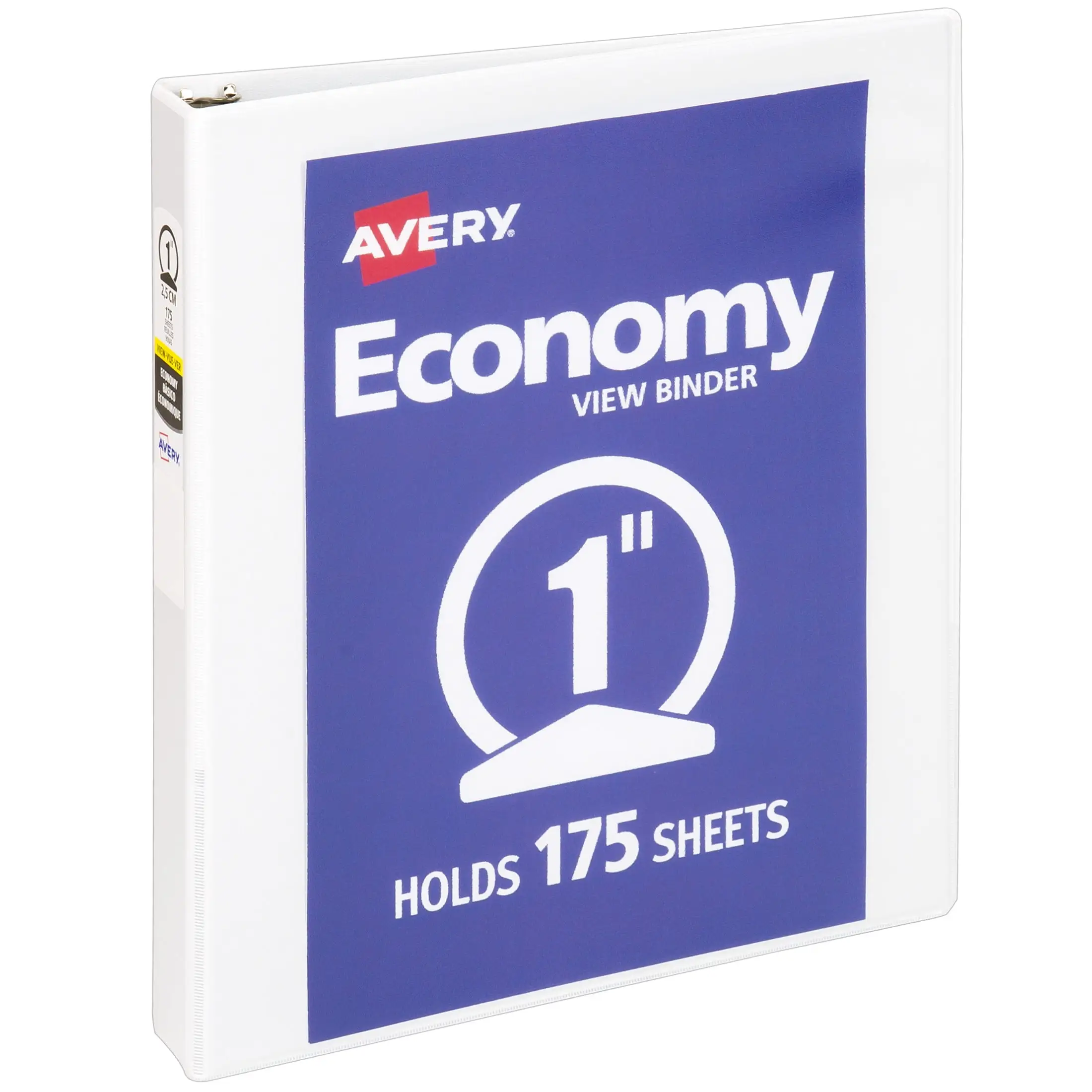
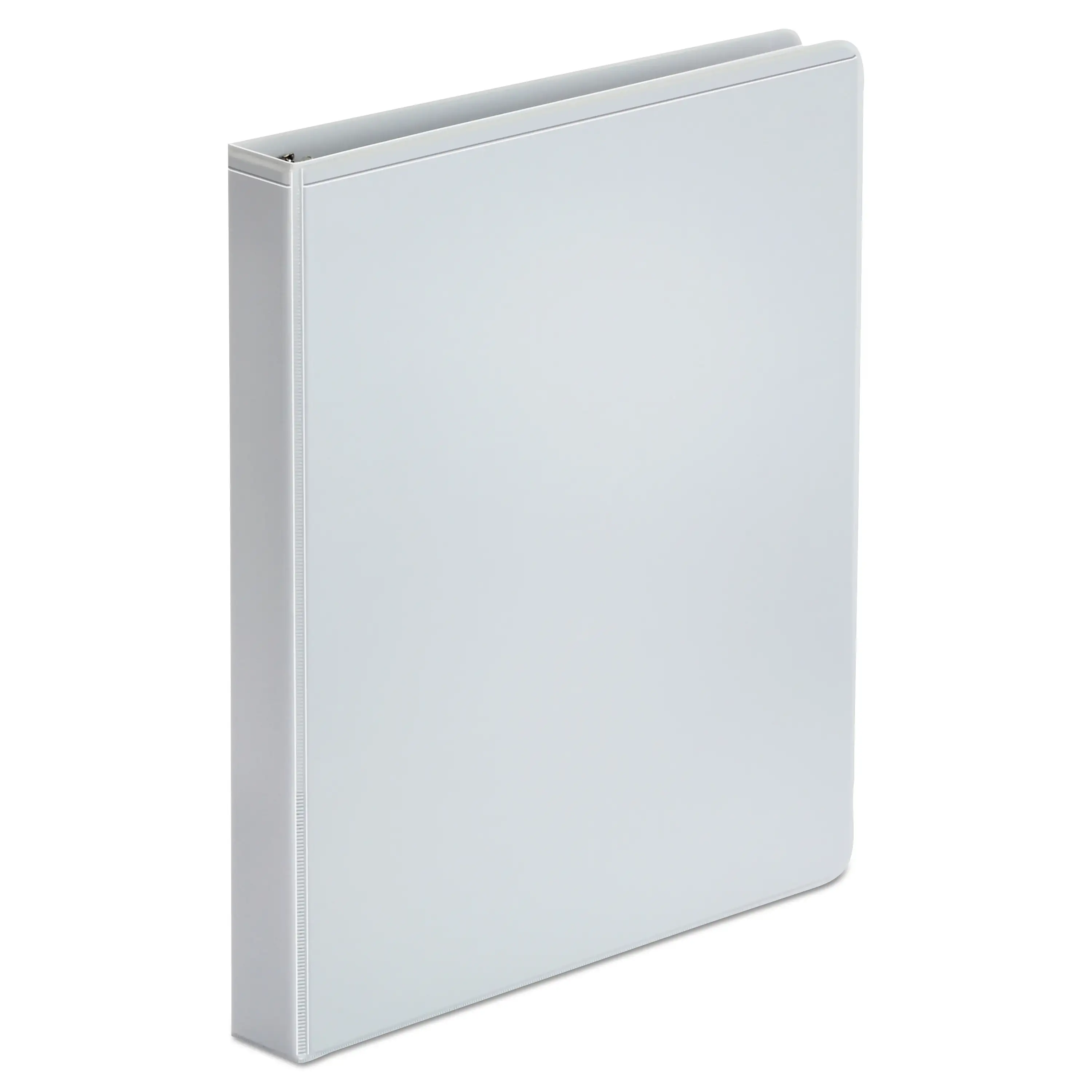
Rated 9/10 by the majority of reviewers, the Avery Mini Economy View 3 Ring Binder, 1" White is praised for combining portability, customization, and durability—albeit with some caveats for heavy-duty users. One verified buyer on Amazon summed it up as: “Perfect for keeping recipes organized, the pages lie flat and turn easily. Just don’t expect it to survive daily abuse in a messy backpack.”
Quick Verdict: Conditional Buy — Excellent for light, organized use; less ideal for constant handling or overstuffing.
| Pros | Cons |
|---|---|
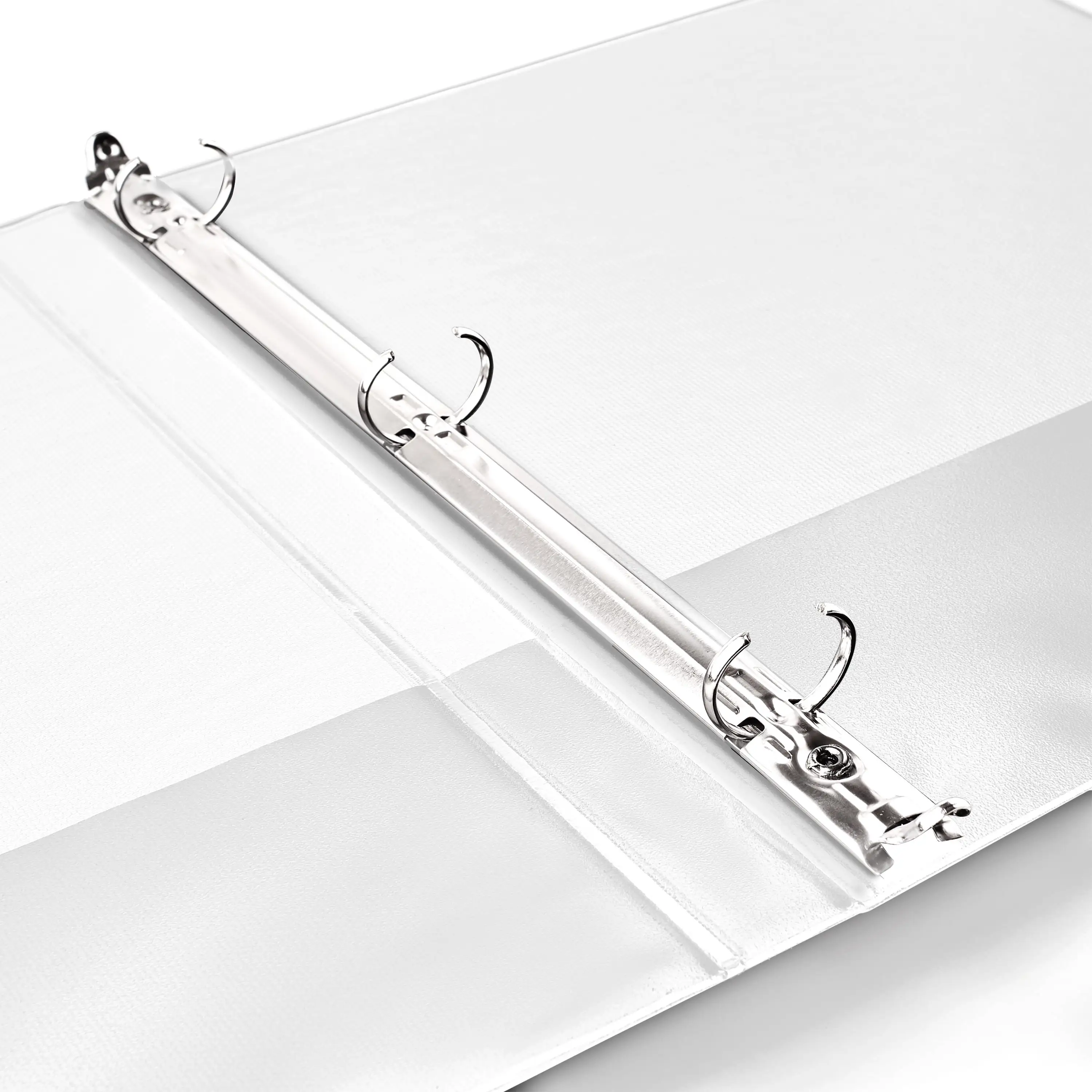
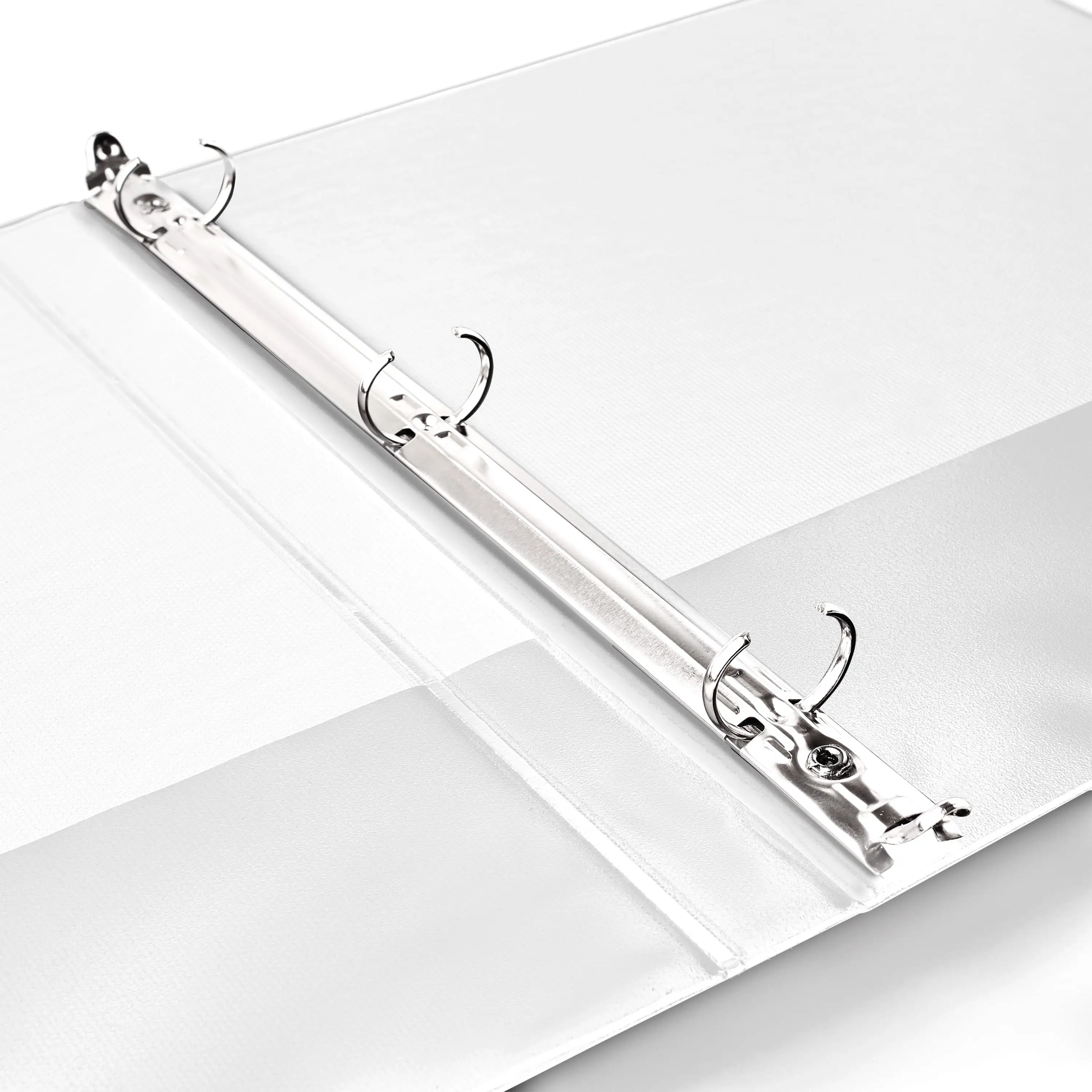
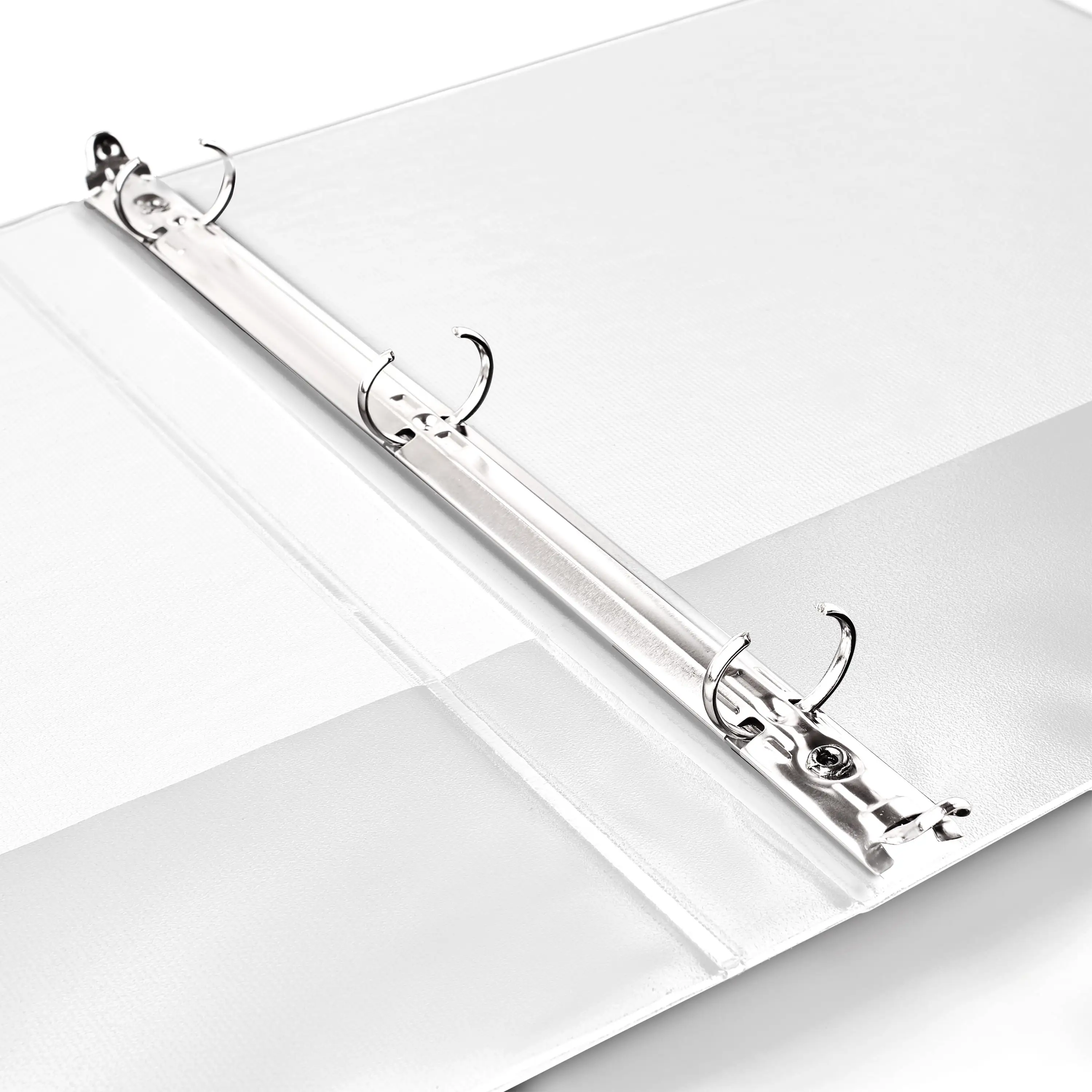
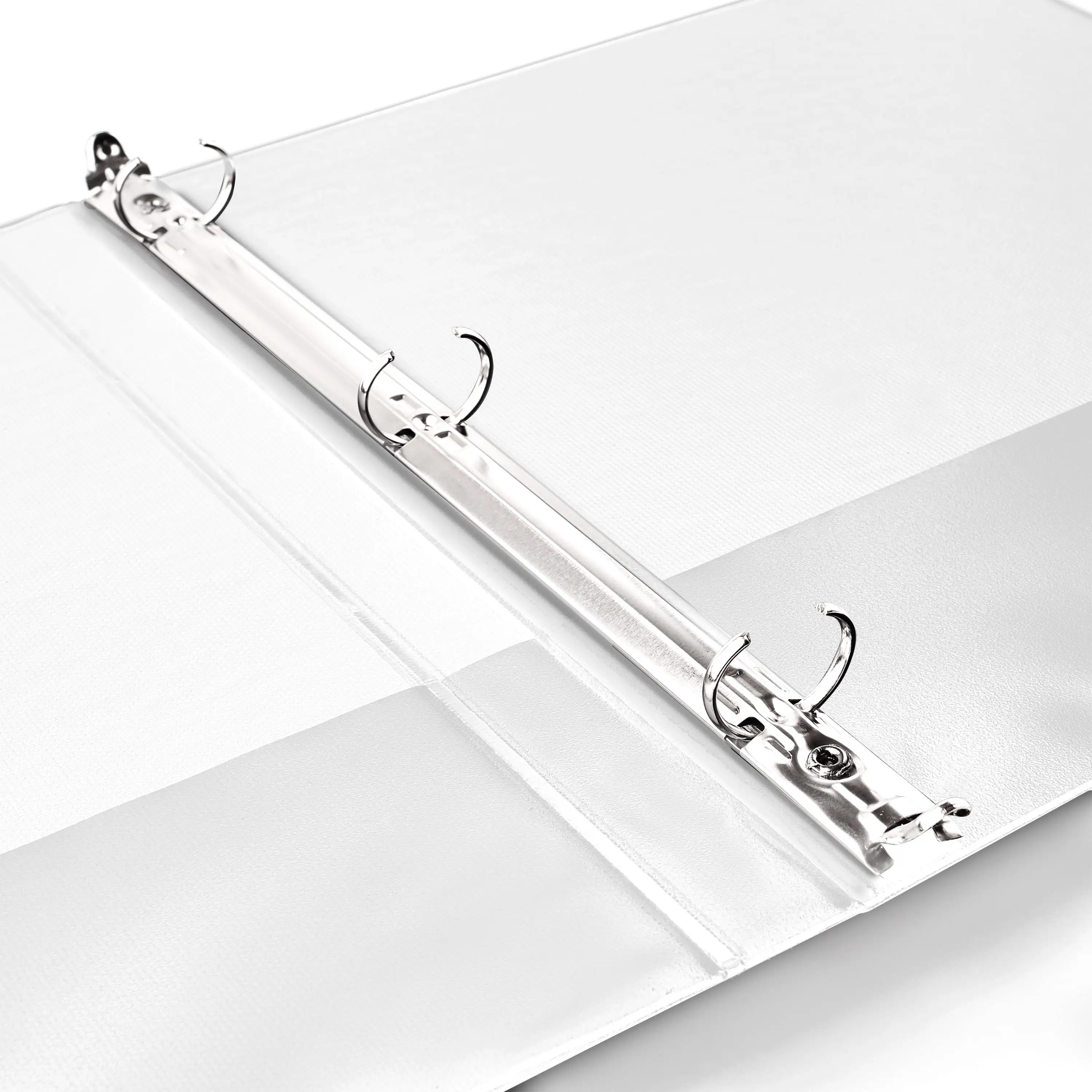
| Pages lie flat with back-mounted rings | Not designed for heavy-duty use |
| Customizable clear cover and spine label | Limited sheet capacity compared to larger binders |
| Lightweight and portable | Rivets exposed on back |
| Nonstick PVC-free material prevents ink transfer | Small format (5.5"x8.5") limits versatility |
| Two interior clear pockets for loose papers | No locking-rings or “gap-free” tech |
| Holds up to 175 sheets securely | Film finish may scuff with rough handling |
Claims vs Reality
Avery markets this mini binder as “the perfect economical choice for light use,” with emphasis on durable construction, 175-sheet capacity, and ease of customization. While such claims hold for most users, digging deeper into community feedback reveals a clearer picture.
Claim: “Durable, lightweight construction”
While the official capacity rating of 175 sheets is accurate for thin paper, multiple users note longevity depends on gentle use. A Reddit user explained, “They last me through a semester because I only reference them occasionally. My friend who flips through hers constantly had the spine start to wear after a few months.” The lightweight build is a plus for portability but makes it susceptible to faster wear if handled roughly.
Claim: “Pages lie flat with back-mounted rings”
This feature consistently matches user reports. Several verified Amazon buyers mention that the back-mounted rings make flipping pages “super smooth,” avoiding the curling issues common in cheaper binders. For scrapbookers and recipe collectors, this exact quality makes extended viewing easier during use.
Claim: “Customizable cover and spine”
Users widely appreciate the clear overlay and label holder. One Office Depot reviewer shared: “I print my own covers for each project. The clear view makes my binders easily distinguishable without opening them.” However, customization appeal only matters if this binder’s small form fits the intended purpose—something more than one buyer warned about.
Cross-Platform Consensus
Universally Praised
Portability ranks at the top of user compliments. On Trustpilot, comments repeat the theme: “Ideal for on-the-go organization.” Students, in particular, highlight how the compact 5.5" x 8.5" size fits in smaller bags without adding bulk. A verified buyer on Amazon noted: “I bring mine to client meetings—holds all my notes without feeling like I’m hauling a full binder.”
The nonstick PVC-free material earns praise from archivists and instructors alike. It prevents ink transfer, which is crucial for storing printed handouts or photographs long-term. One Michaels reviewer said, “Unlike cheaper binders, my pages stayed pristine after months in storage.”
Customizability is another cross-platform win. The clear view cover and spine label slot let users quickly identify contents—vital for professionals managing multiple binders. Office Depot reviews mention using color-coded inserts and custom covers to streamline filing systems at work.
Common Complaints
The largest drawback stems from misunderstanding its intended use: durability under heavy wear. Numerous Reddit threads from students using the binder daily report cracking or loosening of rings within months. “If you’re flipping it open a hundred times a day, don’t expect it to last,” wrote one user.
Capacity concerns pop up periodically. Although it officially holds 175 sheets, thicker paper or inserted sheet protectors dramatically reduce that number. Art students noted frustration when attempting to store heavy cardstock or laminated materials.
Additionally, exposed rivets on the back, while not affecting function, are called out as less aesthetically pleasing and occasionally snagging fabric—especially for users who toss binders into soft bags without protection.
Divisive Features
The linen-texture film and deep weave polypropylene cover are seen as professional-looking by some buyers, but redundant by others. One Amazon reviewer liked the “premium feel” for a budget product, while another dismissed it as “window dressing on an otherwise standard binder.”
Size is another point of division. For planners and targeted projects, the mini format is perfect. However, users attempting to repurpose it for more general office use report frustration due to its inability to handle standard letter-sized documents.
Trust & Reliability
Discussion threads and storefront reviews reveal little in the way of scam concerns—most buyers receive exactly what’s advertised in multi-packs. Long-term durability hinges entirely on usage style. Reddit stories from archive hobbyists show binders lasting over a year in nearly pristine condition. Conversely, field workers using them outdoors daily observed ring misalignment by the half-year mark.
Trustpilot reviews affirm Avery’s consistency in manufacturing quality across their binder range, pointing out that even the economy line “feels more solid than the no-name competition,” provided it’s used as intended. Users do not report ink lifting or bubbling of the cover film, lending further confidence to archival safeness claims.
Alternatives
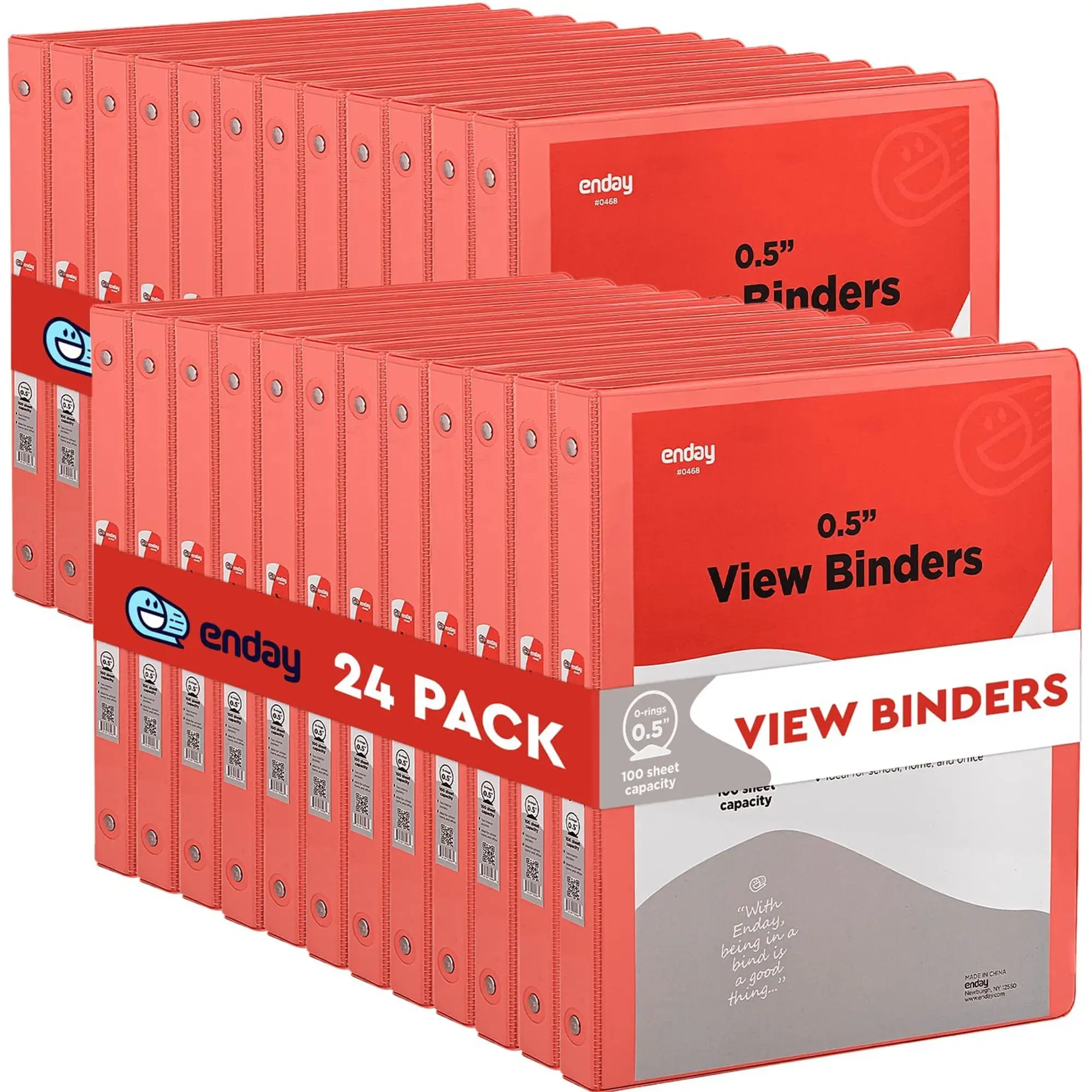
Within the mini binder category, Deli’s economy round ring binders or Comix’s small-capacity models appear in user discussions. However, these are sometimes criticized for rougher surface finishes and flimsier pockets. An eBay listing contrasted a Comix 0.5-inch binder’s capacity of 100 sheets against Avery’s sturdier 175-sheet rating, concluding the Avery offers more value for light office projects.
Another comparison comes from Avery’s own heavy-duty mini binders, which have stronger rings and reinforced covers. Yet, these cost significantly more, making them less appealing for casual organization.
Price & Value
Current online pricing hovers around $10.60 per binder or $26.49 for a four-pack, with occasional markdowns on Office Depot and Walmart. eBay listings suggest resale value holds well, particularly for new or lightly used condition, with some mini binders selling in the $12–$14 range. Buyers on Reddit often recommend purchasing during back-to-school promotions or bulk sales for the best per-unit cost.
A verified buyer advised: “Grab multi-packs—you’ll eventually find uses for extras, whether as personal organizers or client handbooks.”
FAQ
Q: Does the Avery Mini Economy Binder fit standard letter paper?
A: No. It’s designed for 5.5" x 8.5" sheets, making it ideal for planners, junior legal pads, and recipe cards, but unsuitable for full 8.5" x 11" paper unless folded or trimmed.
Q: Are the rings gap-free or locking?
A: Neither. The rings are standard round rings without locking or gap-free tech, meaning they’re best suited for lighter loads and occasional flipping.
Q: How durable is the cover material?
A: The deep texture film resists bubbling and surface wrinkles under light handling, but heavy bending or rough bag storage can cause cosmetic wear over time.
Q: Can I store photos in this binder safely?
A: Yes. The nonstick PVC-free material won’t transfer ink or damage photographs, making it safe for archival use.
Q: Is the binder recyclable?
A: It contains 41% total recycled content and meets UL environmental claim validations for PVC-free materials.
Final Verdict: Buy if you’re a student, hobbyist, or professional with light organizational needs who values portability and customization. Avoid if you require frequent page-turning durability or larger paper compatibility. Pro tip from the community: Purchase in bulk during seasonal sales and customize covers to match each project for easy identification.