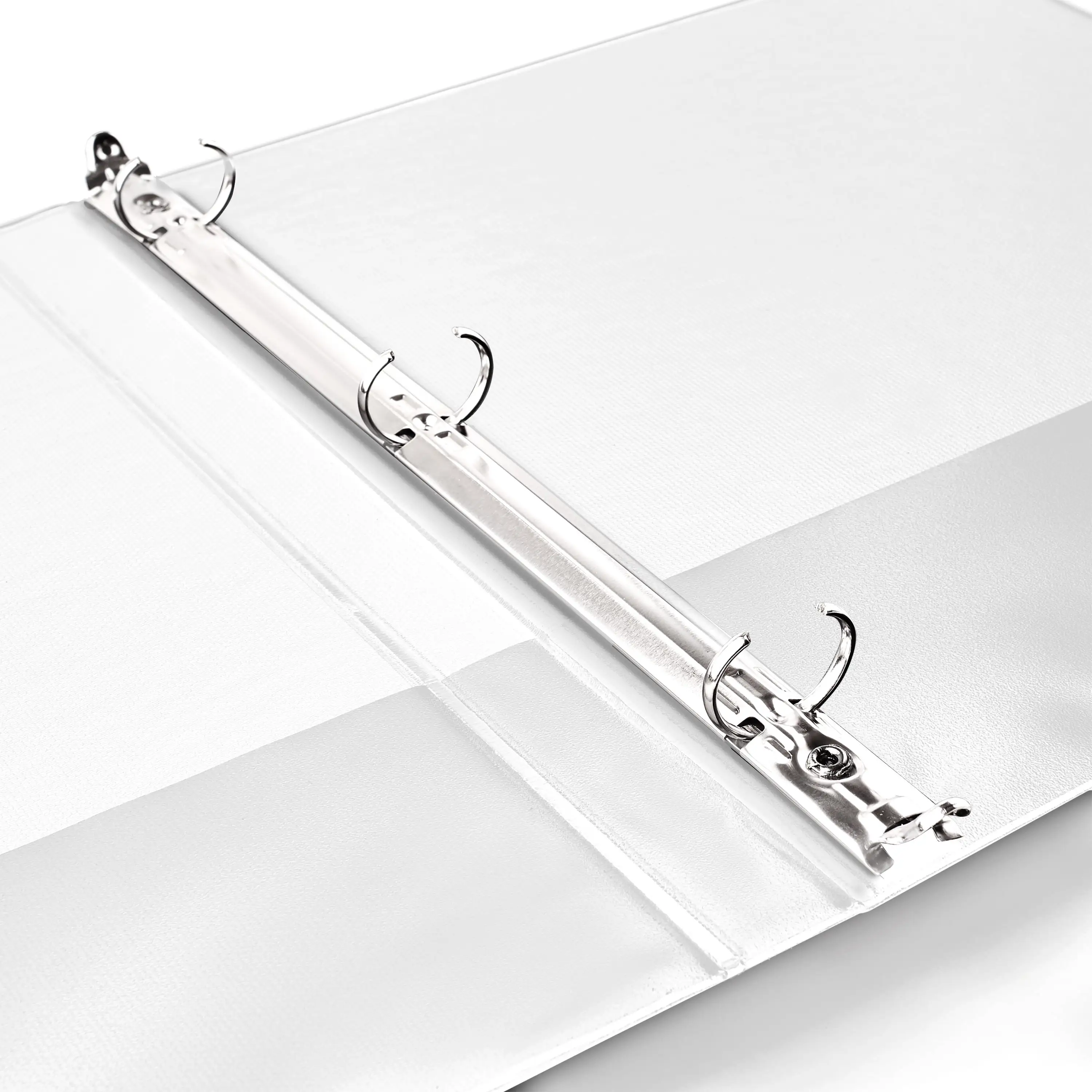
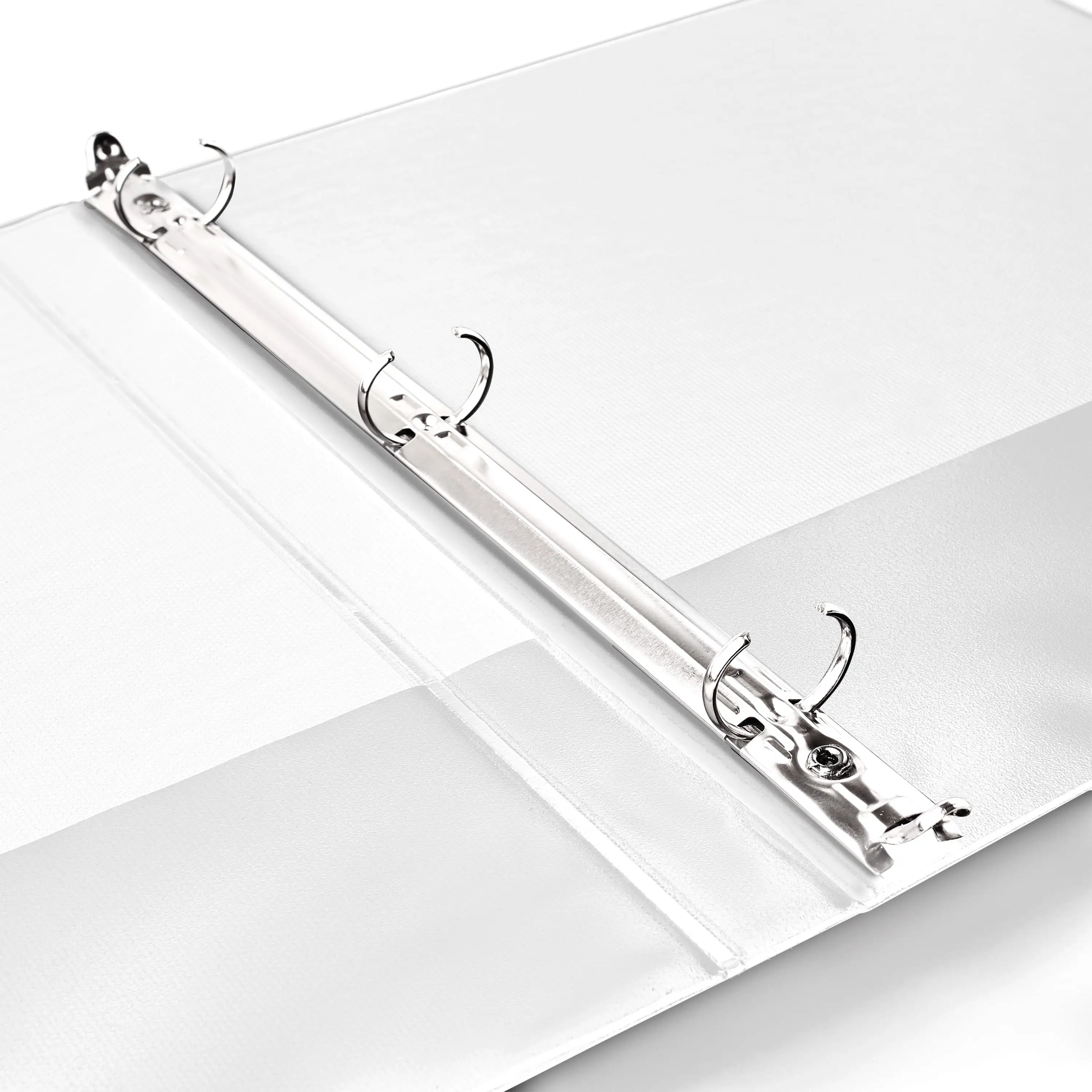
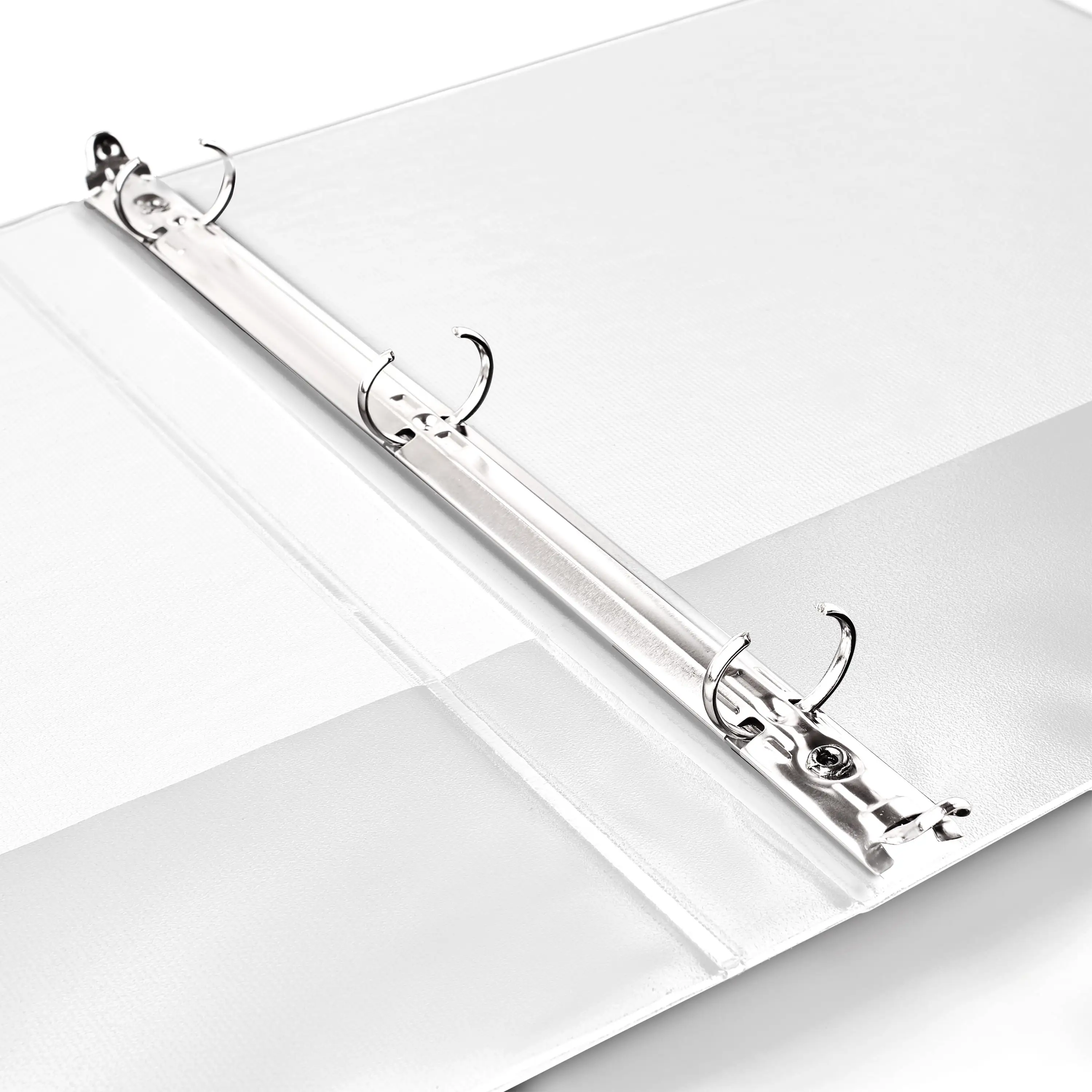
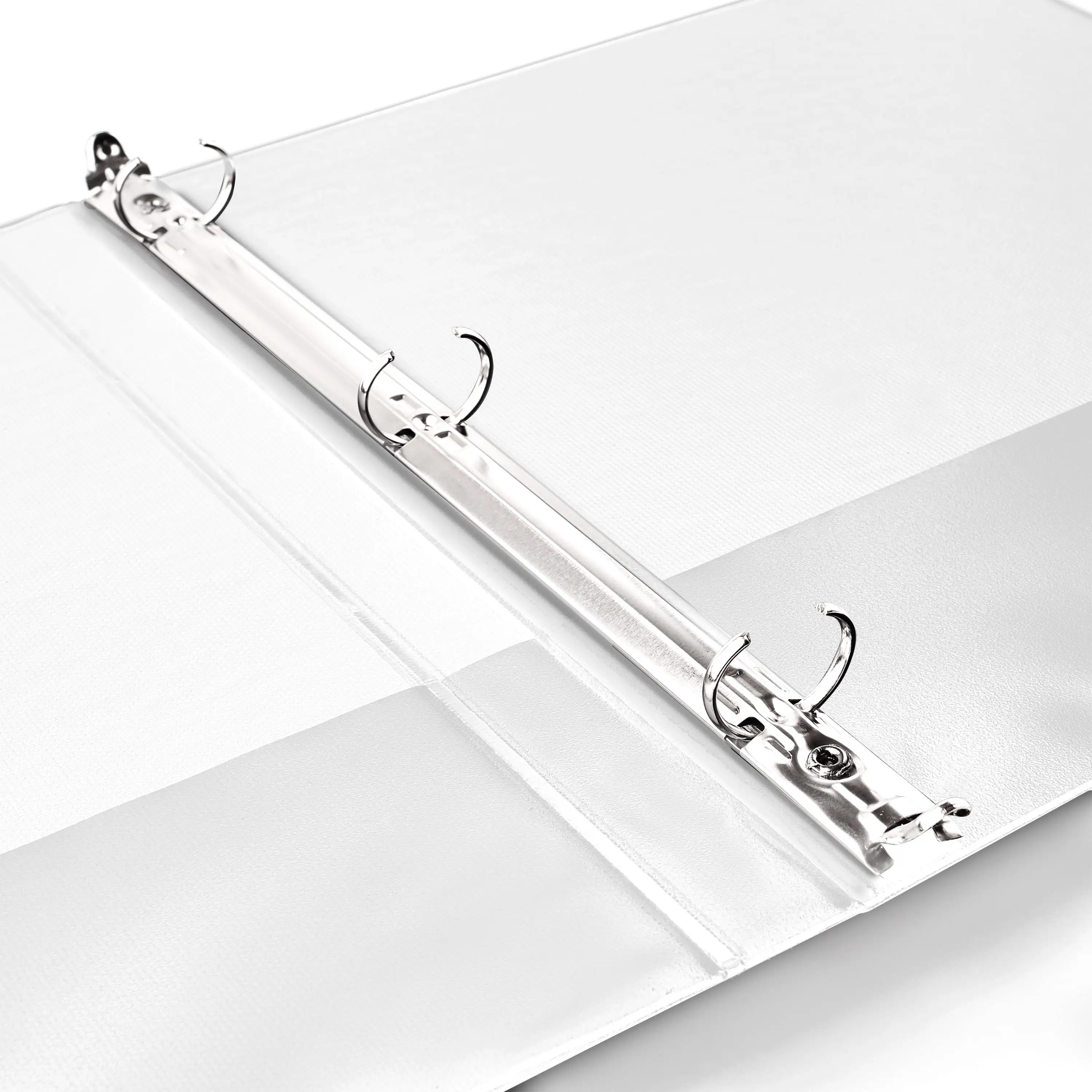
Avery 8-Tab Two-Pocket Dividers Review: 8.9/10 Verdict
“‘These are my favorite dividers!’” is the kind of line that keeps popping up across retailer reviews—and it points to an unusually strong consensus for a humble office supply. Avery 8-Tab Two-Pocket Plastic Binder Dividers, Multicolor, 3 Sets earns a confident, organization-first verdict: 8.9/10.
People aren’t just praising the idea of dividers; they’re praising a very specific workflow: tabs you can actually see past sheet protectors, plus pockets that stop loose papers from turning into a binder-floor disaster. One Staples reviewer explained why they won’t buy anything else: “these big tabs, with the pockets, are the only dividers that stick out past page protectors.”
At the same time, digging deeper into user reports shows a smaller but real frustration: not everyone expects “two-pocket” functionality, and at least one buyer felt misled by presentation. A Staples customer complained: “the dividers should be more visible through the plastic wrap. i picked the wrong one. i wanted a simple divider with tabs.”
Quick Verdict
Yes—if you want durable, visible tabs plus pockets for loose sheets. Conditional if you wanted simple, no-pocket dividers.
| What real buyers highlight | Evidence from user feedback | Who it helps most | Who it may annoy |
|---|---|---|---|
| Tabs visible past sheet protectors | Staples: “only dividers that stick out past page protectors” | Teachers, students using page protectors | People not using protectors (less benefit) |
| Pockets prevent lost papers | Staples: “i have nt lost a paper yet” | ADHD/unorganized students, busy offices | Minimalists who want plain dividers |
| Durability vs paper dividers | Staples: “heavy duty… a step up from reinforced paper version” | Frequent reference binders | Budget shoppers |
| Color coding makes filing faster | Staples: “colors… make it easier to spot needed files” | Multi-subject binders, projects | Anyone wanting muted/neutral look |
| Use-case versatility | Staples: “genealogy project”; “divide my lesson plans” | Hobbyists, educators | N/A |
Claims vs Reality
A recurring pattern emerged around the brand’s “works with sheet protectors” positioning. The marketing promise is essentially: tabs remain visible and the system stays readable even when you sleeve documents. In real use, that claim aligns closely with what people rave about. A Staples reviewer (a special education teacher managing lots of paperwork) spelled out the practical impact: “these big tabs, with the pockets, are the only dividers that stick out past page protectors… i can keep important documents in page protectors and also see the divider tabs.” For anyone building a “lesson plan binder” or IEP paperwork binder, that’s not a small perk—it changes whether the binder is usable day-to-day.
Another key marketing claim is durability—tear resistance, wipe-clean plastic, reinforced holes/edges. User feedback generally supports this, but in a grounded way: people compare it to what they used before. One Staples customer wrote, “heavy duty pocket dividers… a step up from reinforced paper version.” That’s an important distinction: the “reality” isn’t indestructible; it’s that buyers feel it holds up better than standard paper dividers when binders are opened constantly.
The “two pockets” claim is where expectations can diverge—not because pockets aren’t there, but because not everyone wants them. Digging deeper, one complaint wasn’t about quality but about product selection and visibility at purchase time: “the dividers should be more visible through the plastic wrap… i wanted a simple divider with tabs.” In other words, the product may deliver on its design, but some shoppers are surprised by the pocket-divider format when they intended a basic tabbed divider.
Cross-Platform Consensus
Universally Praised
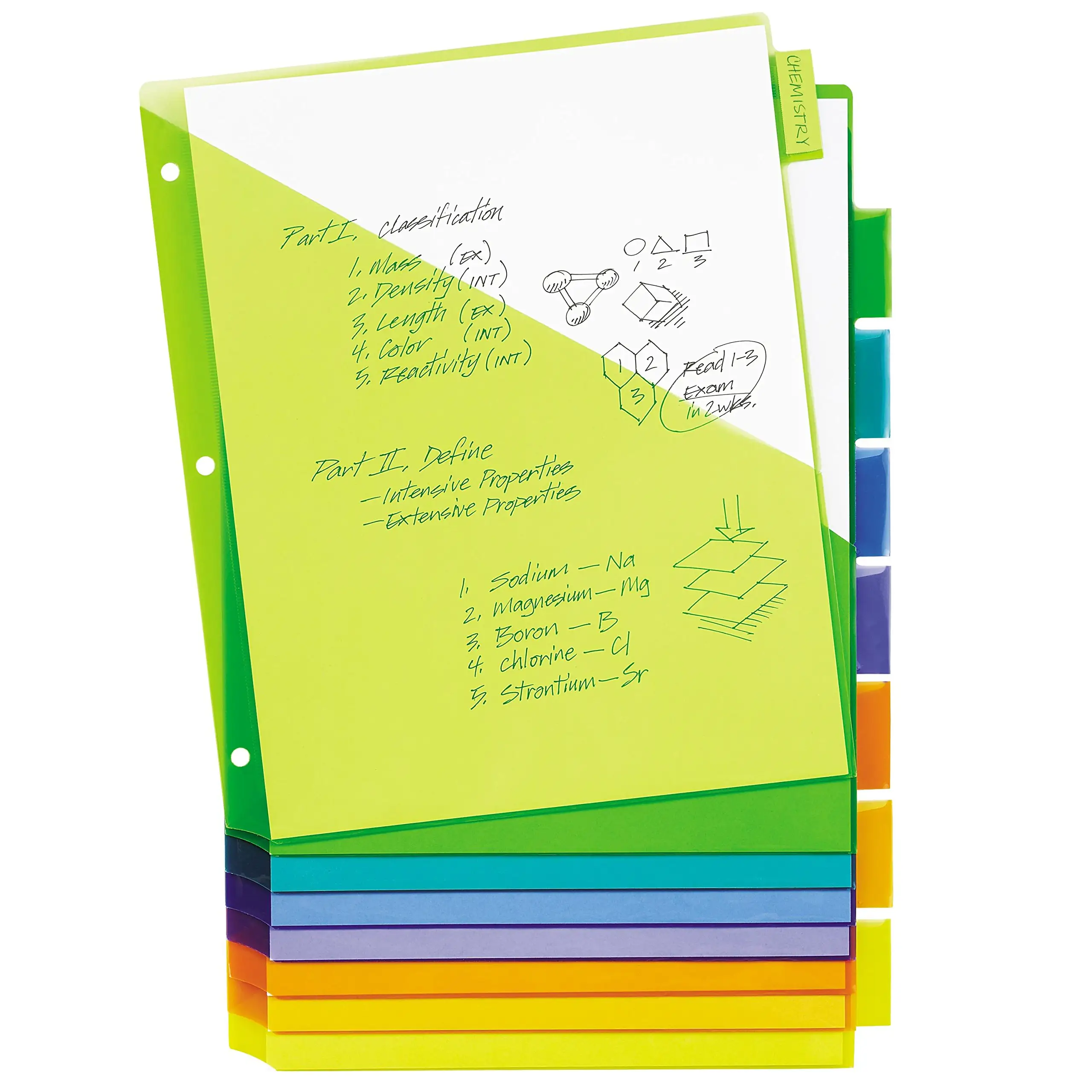
The strongest cross-platform theme is speed of navigation—especially with page protectors. While marketing claims the tabs “extend beyond page sleeves,” user stories make it concrete: for teachers and students, it’s the difference between flipping and finding. One Staples reviewer anchored this in a professional setting: “i am a special education teacher and have a lot of paperwork… these big tabs… are the only dividers that stick out past page protectors.” For educators who build binders that must be accessed mid-class, that visibility translates into less time rummaging and more time teaching.
The second widely praised benefit is the pocket-as-inbox behavior. Many buyers describe using the pockets as temporary storage before filing, which prevents papers from going missing. A Staples customer put it plainly: “the pockets in each one allows me to pocket papers until i have read them and then file them. i have nt lost a paper yet.” For busy office workflows, that’s essentially a built-in “to process” system; for students, it’s a safety net when they’re rushing between classes.
Durability and “school-year survivability” comes up repeatedly in the language people use. Rather than abstract claims, buyers talk about sturdiness and long use. One Staples reviewer said, “so far seems sturdy and think it should hold up for the school year,” tying durability to the real constraint that matters to families: will it last until summer? Another praised the build quality more generally: “the durability is great the quality is amazing.” Across these stories, the dividers are treated as a step up from the disposable paper option.
After those essentials, color-coded tabs become a practical organizer, not just decoration. A Staples buyer admitted they were unsure at first, but the colors helped: “was unsure about colors at first but turns out they make it easier to spot needed files.” For multi-project users—genealogy research, personal finance planning, or school subjects—the bright multicolor system becomes a visual index, reducing the “where did I put that?” tax.
Key praised points, summarized after the stories:
- Tabs stay visible with sheet protectors (teacher and student workflows).
- Pocket storage reduces lost papers (inbox-style organization).
- Plastic build feels “heavy duty” vs paper (school-year use).
- Multicolor tabs support fast visual scanning.
Common Complaints
The most direct negative feedback in the provided data centers on shopping/expectations rather than performance. One Staples reviewer called out packaging visibility and selection confusion: “the dividers should be more visible through the plastic wrap. i picked the wrong one. i wanted a simple divider with tabs.” For shoppers who are browsing quickly—especially in-store—this is a real friction point: the pocket-divider design may not match what they had in mind, and the visual cues through wrap weren’t enough for that buyer.
A second, softer complaint appears as “surprise” at the format or colors, even when it becomes a benefit later. The same reviewer who ended up liking the colors began with uncertainty: “was unsure about colors at first.” That matters for professional settings where muted aesthetics are preferred; the multicolor approach is loved by students and organization enthusiasts, but not everyone wants their binder to look like a rainbow.
Finally, some feedback is less about the divider itself and more about buying the correct product variant. The Avery line includes multiple similar-sounding divider families (insertable, write & erase, pocket, etc.). When buyers want “simple tabs,” pocket dividers may feel like the wrong tool—even if they’re high quality. That “wrong tool” feeling is the common thread behind the complaint rather than reports of tearing, broken holes, or unusable pockets.
Common complaint themes, summarized:
- Packaging/visibility can lead to ordering the wrong style.
- Not everyone wants pockets; some want basic dividers.
- Multicolor design isn’t ideal for every aesthetic.
Divisive Features
The pockets are simultaneously the hero feature and the “this isn’t what I meant to buy” trigger. For unorganized students, pockets are described as a behavioral fix—one parent framed it as structure for a messy binder: “he ’s a bit unorganized but i think the pockets in the dividers will help him have a much neater and organized binder.” But for the shopper who wanted simplicity, pockets are unnecessary complexity, captured in the complaint: “i wanted a simple divider with tabs.” The same feature lands differently depending on whether you treat a binder as an archive or as a living inbox.
Bright colors show a similar split. Some users embrace them as a navigation tool, like the buyer who found they “make it easier to spot needed files.” Others approach it cautiously at first (“was unsure about colors at first”), suggesting that for professional or minimalist setups, the look may require compromise even if the function is strong.
Trust & Reliability
Across the included retailer review excerpts, the reliability story is less about defects and more about long-term routine: buyers repeatedly describe using these in demanding contexts—lesson plans, special education paperwork, and school binders expected to survive daily handling. A Staples reviewer reinforced that confidence with lived comparison: “heavy duty pocket dividers… a step up from reinforced paper version.” That’s a durability claim rooted in replacement history, not marketing language.
Scam concerns don’t surface in the provided Trustpilot-style content; instead, what shows up is repeated high ratings on official and retail pages (Avery product pages listing 4.9/5 averages; Staples listing 4.8/5). While ratings aren’t proof, the lack of complaint patterns about missing items, counterfeit goods, or failed returns in the provided text means the trust narrative here is dominated by normal retail satisfaction and repeat purchasing behavior. One Staples buyer even framed Avery as their default: “avery has always been my go to !”
Alternatives
Only a few alternatives are explicitly present in the data, and they’re mostly other Avery divider variants rather than a different brand. If you like the concept but want a different labeling workflow, Avery’s Write & Erase Pocket Plastic Dividers (31701) appears in the dataset as a parallel option; it emphasizes reusability by writing directly on tabs and erasing later. That’s a different “binder management” philosophy—better for people who constantly reconfigure sections instead of printing inserts.
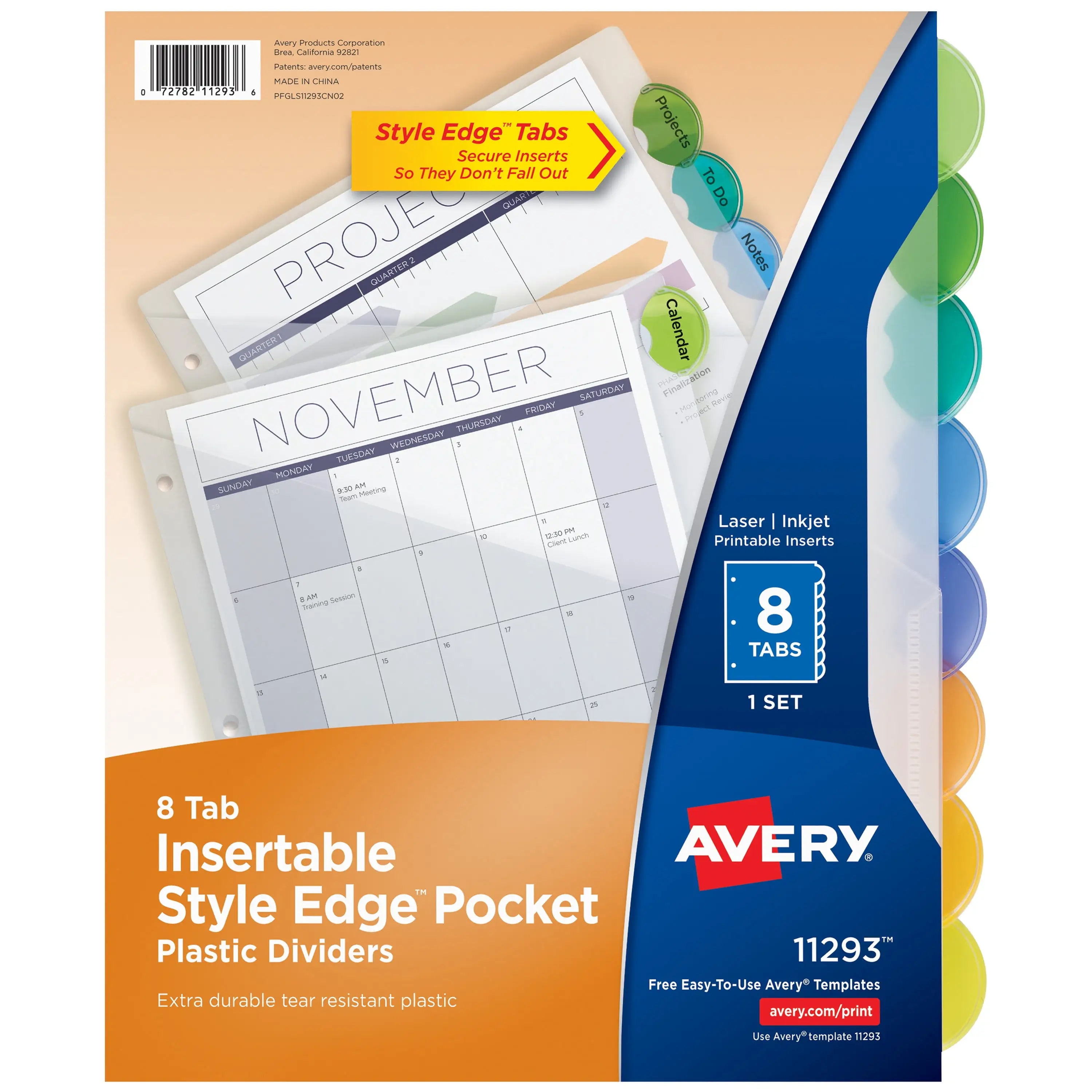
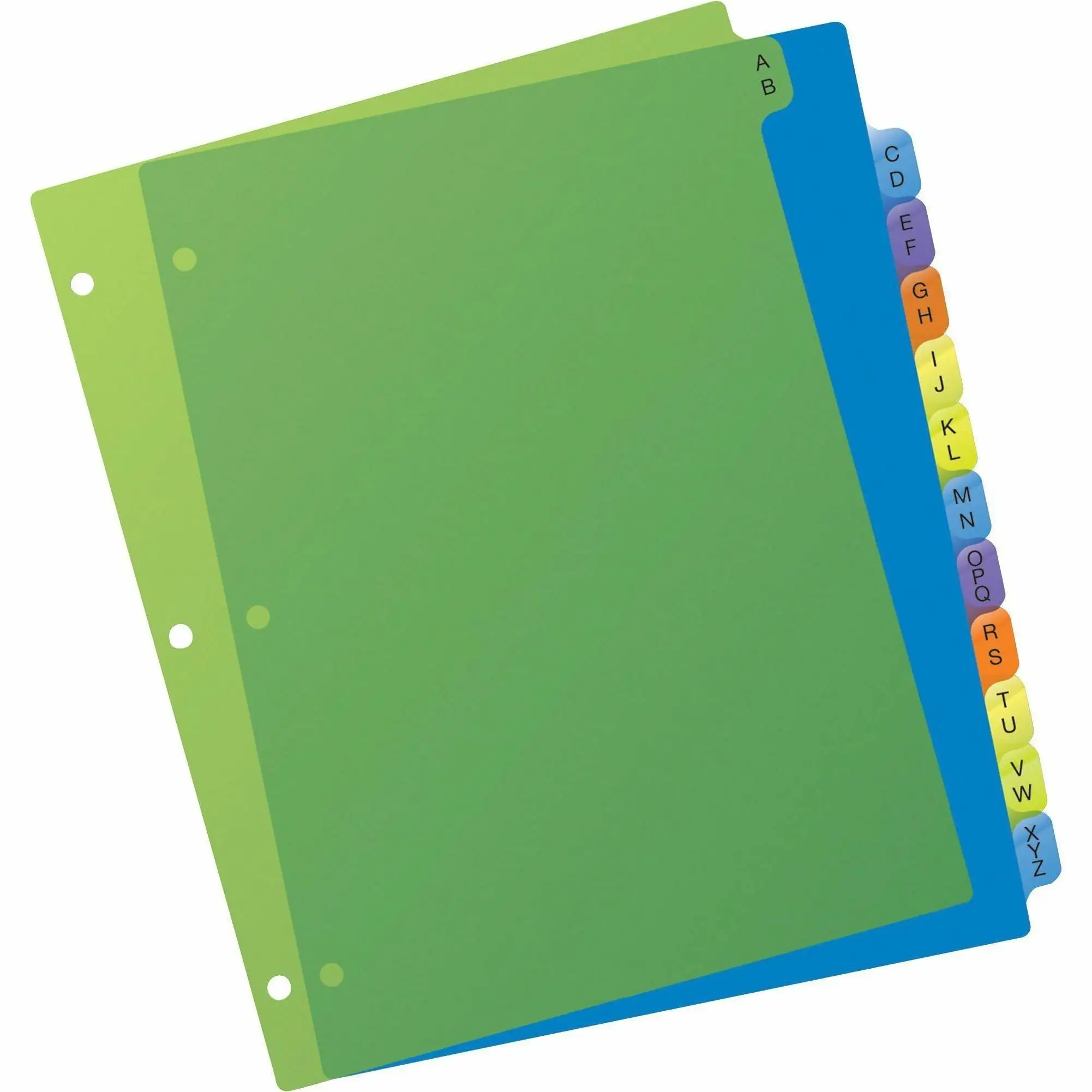
There are also mentions of different Avery styles (like “style edge” plastic dividers) and preprinted dividers (A–Z). These alternatives matter if your priority shifts from pockets to indexing format. For example, someone building a reference binder might prefer preprinted alphabetical dividers; someone building a school binder might prioritize pockets and big tabs.
Price & Value
Current pricing in the provided data suggests these dividers sit in the “pay once, use hard” category rather than bargain paper dividers. Amazon’s listing for the 3-set pack shows a sale price around $17.69 for the Avery 8-tab plastic pocket dividers (3 sets), positioning it as a premium organizer compared to basic paper tab dividers.
Resale value appears weak relative to shipping costs on marketplaces: an eBay listing shows the item price around $9.40 but with $19.65 shipping, which effectively erases any bargain for most buyers. That pattern implies a buying tip from the market data itself: unless you’re bundling items, it’s often better to buy these through mainstream retailers with reasonable shipping, or in-store.
Value, as described by buyers, is primarily justified by reduced paper loss and faster retrieval. The Staples reviewer who said “i have nt lost a paper yet” is effectively describing ROI in avoided mistakes. For teachers, the value is time and reduced chaos; for families, it’s the binder making it to the end of the semester intact.
FAQ
Q: Do these dividers work with sheet protectors?
A: Yes—many buyers specifically praise that the tabs remain visible with page protectors. A Staples reviewer wrote that “these big tabs… are the only dividers that stick out past page protectors,” which helped them keep important documents sleeved while still seeing divider tabs quickly.
Q: Are the pockets actually useful, or just extra bulk?
A: It depends on your organization style. Some users rely on pockets as a staging area—one Staples customer said the pockets let them hold papers “until i have read them and then file them.” But another buyer wanted “a simple divider with tabs,” suggesting pockets can feel unnecessary for minimal setups.
Q: Are they durable enough for a school binder?
A: Many reviews frame durability in school terms. One Staples reviewer said they “think it should hold up for the school year,” and another called them “heavy duty… a step up from reinforced paper version.” That’s especially relevant for students who handle binders daily.
Q: Do the colors help or distract?
A: Buyers often say the colors help with quick retrieval. One Staples reviewer noted they were unsure initially but found the colors “make it easier to spot needed files.” If you want a more neutral look, the multicolor design may be less ideal even if it’s functional.
Final Verdict
Buy if you’re a teacher, student, or home organizer who uses sheet protectors and needs big visible tabs plus pockets that prevent loose papers from disappearing—“i have nt lost a paper yet,” as one Staples reviewer put it.
Avoid if you specifically want plain, no-pocket tab dividers and shop quickly without double-checking the product style—one buyer regretted the pick: “i wanted a simple divider with tabs.”
Pro tip from the community: treat the pockets like an “inbox” for unfiled pages so you can “pocket papers until i have read them and then file them,” which multiple reviewers describe as the real unlock for staying organized.