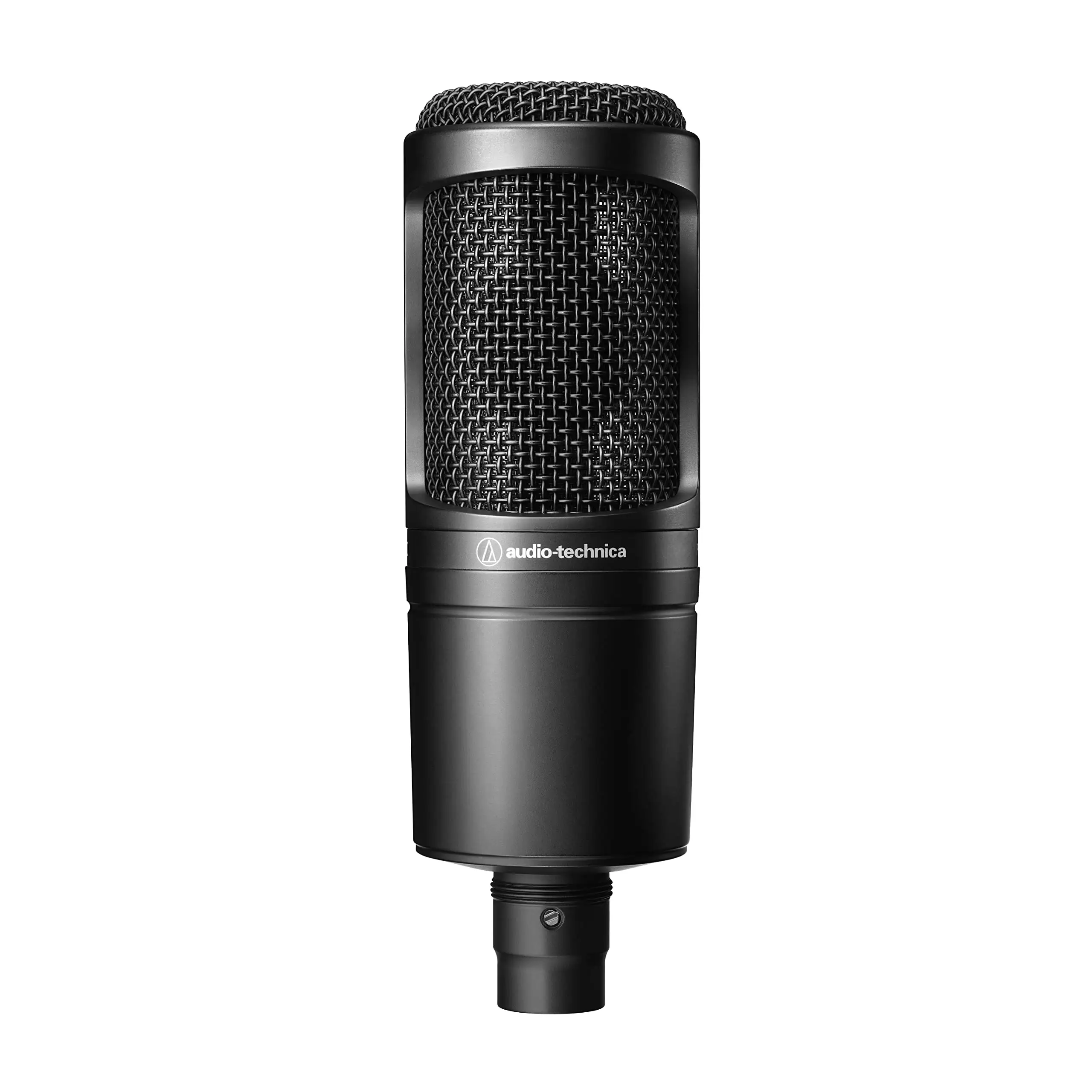
Audio-Technica AT2020 Review: Budget Mic Verdict
Digging into thousands of cross-platform reviews, the Audio-Technica AT2020 Cardioid Condenser Studio XLR Microphone emerges as a striking example of budget gear winning over both hobbyists and seasoned producers. While officially marketed as “the price/performance standard in side-address studio condensers,” the collective verdict from musicians, podcasters, and streamers leans toward an 8.7/10 score—praised for build quality, clarity, and versatility, but with caveats about sensitivity, tonal balance, and bundled accessories.
Quick Verdict: Conditional — A strong buy for budget-conscious creators who can handle basic audio setup and EQ work. Less ideal for untreated rooms or users seeking premium tonal depth without post-processing.
| Pros | Cons |
|---|---|
| Crisp, clear sound for vocals and instruments | Lacks shock mount in base package |
| Solid metal build, durable over years | Can sound harsh or bright when layering tracks |
| Handles high SPL (up to 144dB) for loud sources | Sensitivity picks up unwanted room noise |
| Affordable entry point for condenser mics | Requires phantom power, no onboard controls |
| Widely used by pros for demos and indie releases | Midrange frequencies can feel recessed |
| Versatile across music, podcasting, streaming | Stand mount adapter quality issues reported |
| Long-term reliability proven in schools/studios | No XLR cable included |
Claims vs Reality
Marketing emphasizes the AT2020’s “extended frequency response” and “superior transient response” from its low-mass diaphragm. On paper, that means 20Hz–20kHz coverage and a dynamic range of 124dB. In practice, Amazon buyers confirm clarity in highs and lows, but some note a dip in mids. One verified purchaser wrote: “Great low and high frequencies, but maybe falls a bit short in regards to the mid frequencies.”
Another claim is “sound source isolation” via the cardioid pattern, designed to reduce side/rear pickup. While Reddit user feedback confirms good off-axis rejection, sensitivity remains high enough to capture keyboard clicks or distant whispers in untreated spaces. A Sweetwater reviewer described using it for church streaming: “They even picked up a whisper to me at the control board from about 20 ft away.”
The brand touts “rugged durability,” and long-term users back that up. Thomann customer Kalpagony reported: “After 9 years the mount still holds firmly and the cable insert is as tight as ever… great value for the money.”
Cross-Platform Consensus
Universally Praised
Across Sweetwater, Trustpilot, and Reddit, clarity and detail are the standout features. Musicians mention successful use on vocals, acoustic guitars, and even banjos. Sweetwater customer Doug said: “Over the top great for what I bought it for… to help be a better dobro player.” For hip hop, R&B, and rock, Scott De Marko noted: “Vocals are clean, crisp, and very direct… can’t be beat for the price.”
Durability earns repeated praise. School music department staff on Thomann cited “several years life in a busy school music department” with no failures, calling it “the perfect balance of quality, cost and durability.” This resilience makes it attractive for touring acts and rehearsal spaces.
Versatility is another recurring theme. Users deploy it for drum overheads, podcasting, amp miking, and even full choir recordings. A Sweetwater drummer enthused: “I bought two as overheads… they sound amazing for the price.”
Common Complaints
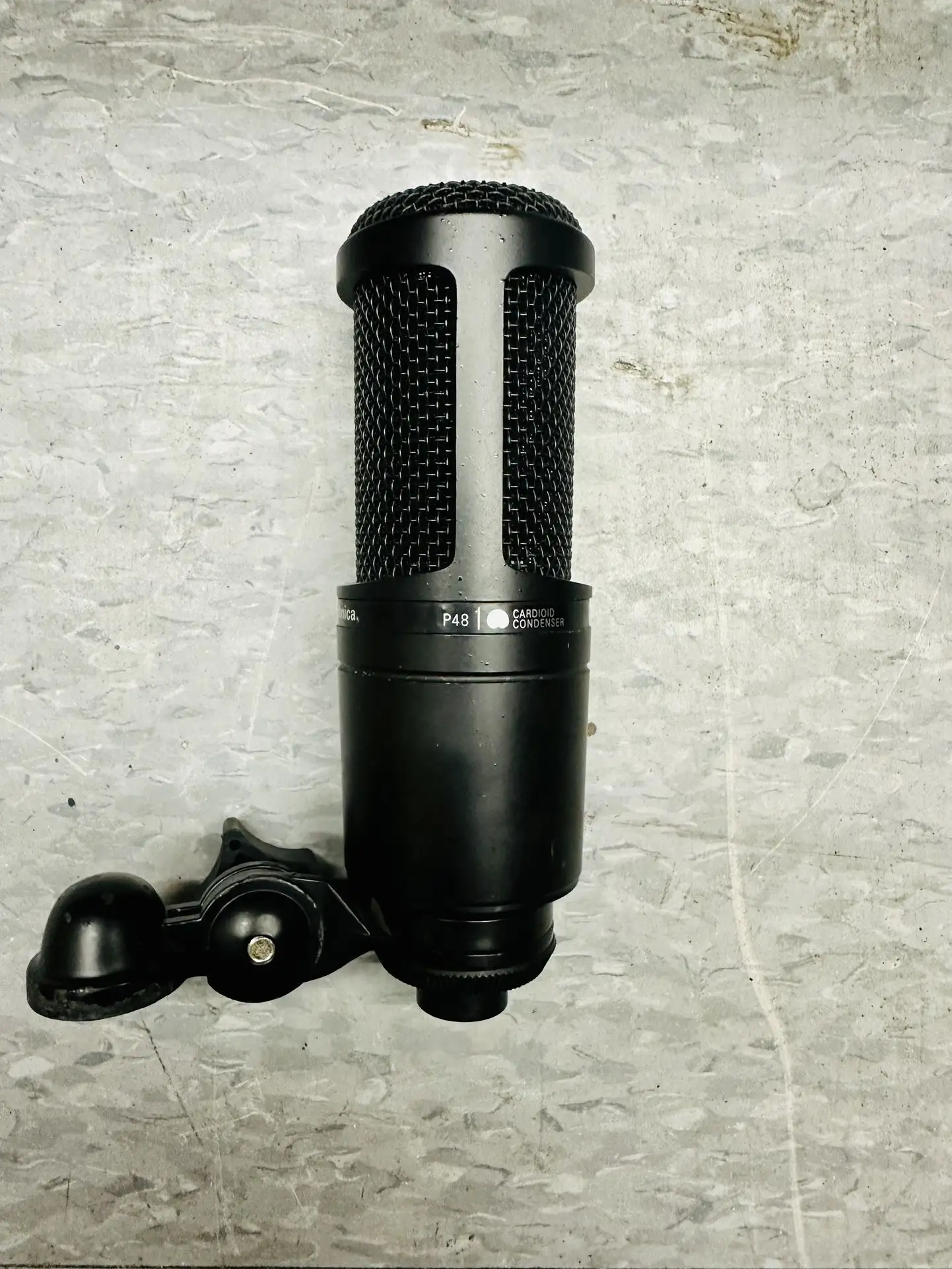
The most frequent gripe is the absence of accessories like a shock mount or XLR cable. Several Sweetwater reviewers note stand mount adapter issues, with one writing: “Mine fell apart… luckily I have a shock mount.” Trustpilot feedback mentions tonal harshness during multi-track layering: “Pretty bright mic… can sound very harsh once you layer tracks.”
Sensitivity cuts both ways. For streamers in untreated rooms, the mic’s ability to pick up subtle sounds can be a liability. Gamer Jailer Gamer observed: “It will pick up your keyboard easily… with a noise gate it’s manageable.” Others find the low-end emphasis better suited for spoken word than for singing.
Some experienced engineers criticize it as “lifeless” compared to similarly priced competitors like the MXL 990, though they concede it can deliver professional results with EQ and compression.
Divisive Features
Brightness divides opinion. While some celebrate the “airy high end” for acoustic instruments, others find it fatiguing over time. A Sweetwater buyer likened it to “100 fps” compared to pro-standard “144 fps”—a big step up from entry-level gear, but not ultimate fidelity. This makes it a “flavor” mic for some professionals, ideal for intimate close-talk but not universal.
Its lack of onboard controls (pad, roll-off) keeps it simple for beginners, yet limits flexibility for advanced users who prefer hardware toggles.
Trust & Reliability
Trustpilot’s 3.0/5 rating reflects the divide between casual creators and critical engineers. Complaints often stem from comparison to mics costing 3–4× more. However, long-term stories counterbalance this. Thomann’s Kalpagony still uses his after 9 years, and Reddit users report decade-old units performing “exactly like new.” Sweetwater’s church customer installing two AT2020s confirmed flawless streaming integration.
Refurbished models from Audio-Technica’s outlet are backed by a one-year warranty and tested for performance, with minor cosmetic blemishes possible but “nothing that will affect performance.”
Alternatives
Within user discussions, the MXL V67G and Studio Projects B1 are cited as near-price competitors offering warmer mids. One Trustpilot reviewer advises avoiding the Studio Projects C1 despite marketing claims. For slightly higher budgets, the MXL 2003a is described as “absolutely amazing” and “very similar to a Neumann U87” by experienced engineers. Streamers weighing dynamic vs. condenser options often compare the AT2020 to Samson Q2U—dynamic mics excel at noise rejection but lack the AT2020’s detail for music.
Price & Value
At around $99–$119 new, the AT2020 holds its value well, with eBay resale ranging $74–$122 for pre-owned units. Open-box deals can save 30–50% off retail. Community advice stresses buying from reputable sellers to avoid counterfeits and budgeting for a shock mount and pop filter. Sweetwater customers note the price/performance ratio as “ahead of the game” and a “keeper” compared to other budget condensers they returned.
FAQ
Q: Does the AT2020 work without phantom power?
A: No. It requires 48V DC phantom power via an audio interface or mixer. This is standard for XLR condensers.
Q: Is it good for streaming in a noisy room?
A: Only with careful setup. Its sensitivity captures background noise, so streamers should use noise gates or RTX Voice for cleaner output.
Q: Can it handle loud instruments?
A: Yes. With a max SPL of 144dB, it works well for drums, brass, and guitar amps without distortion.
Q: Does it come with a cable?
A: No. Buyers must purchase an XLR cable separately, along with any desired shock mount.
Q: Is it a large-diaphragm condenser?
A: It’s a medium-diaphragm design (16mm), offering a balance of detail and durability.
Final Verdict: Buy if you’re a budget-conscious musician, podcaster, or streamer ready to invest in basic acoustic treatment and post-processing. Avoid if you need plug-and-play simplicity in untreated spaces or crave premium warmth without EQ. Pro tip from the community: pair it with a quality preamp/interface and pop filter—the AT2020 rewards good gear around it.