Apple Mighty Mouse Renewed Review: Mixed Verdict at 7.4/10
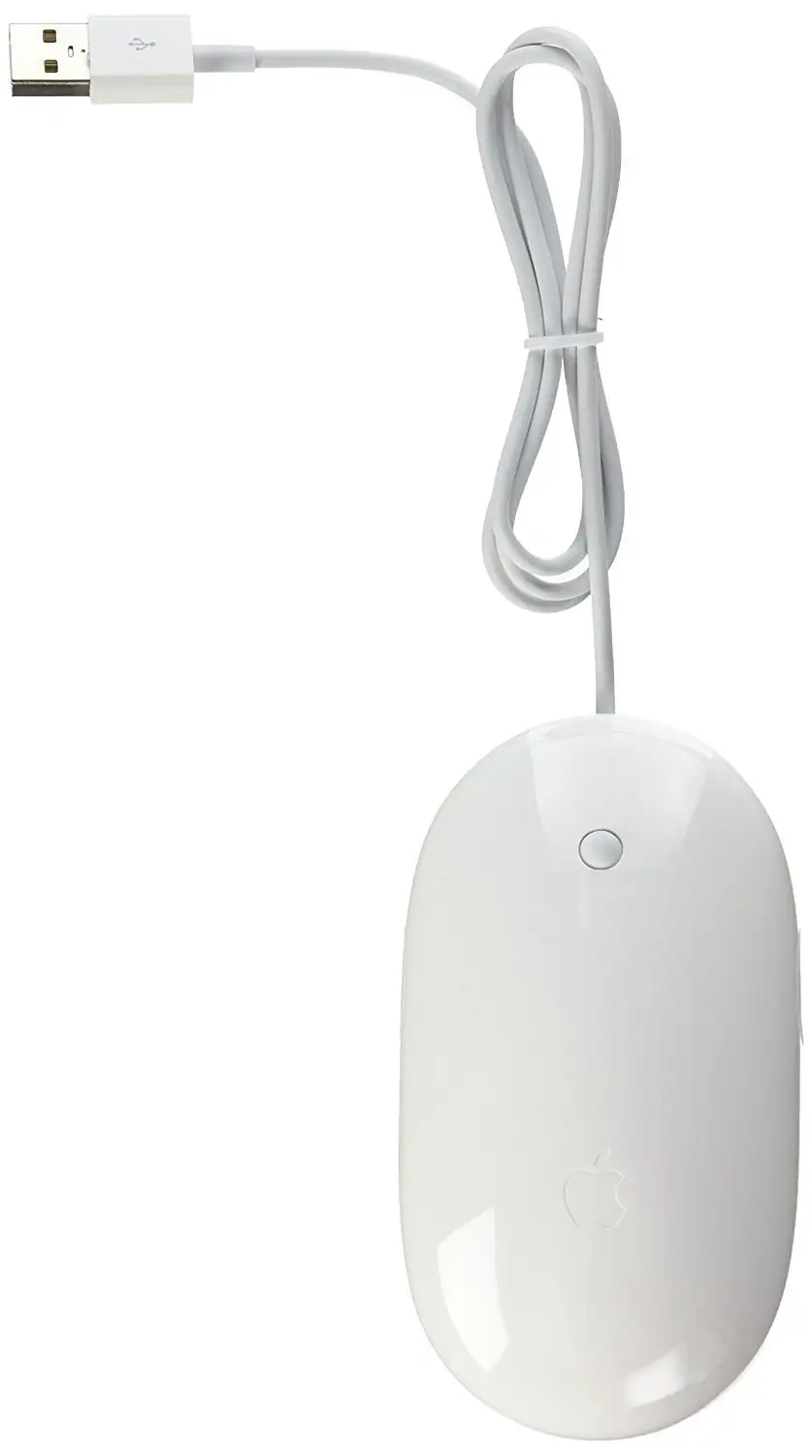
A refurbished icon from Apple’s earlier mouse era, the Apple Mighty Mouse (Renewed) still manages to split the room. Some buyers call it “the most natural mouse I have used” while others label it “perfectly horrible.” Digging through hundreds of reviews and forum posts, the renewed model earns a 7.4/10—praised for its 360-degree scroll ball, multi-button programmability and Mac integration, but repeatedly flagged for cleaning issues, right-click ergonomics, and dated wired design.
Quick Verdict: Conditional Buy
| Pros | Cons |
|---|---|
| Smooth 360° scroll ball with vertical/horizontal motion | Scroll ball prone to dirt buildup and cleaning hassle |
| Touch-sensitive four-button programmability | Must lift left finger to right-click |
| Seamless Mac OS X integration | Not ergonomic—flat design strains hands |
| Wired USB reliability—no battery swapping | Incompatible or erratic with certain OS/hardware setups |
| Durable build in refurbished units | Scroll ball too small for some |
| Niche appeal for Mac purists and collectors | Side buttons awkwardly placed |
Claims vs Reality
Apple’s original marketing celebrated the Mighty Mouse’s “revolutionary scroll ball” allowing effortless 360° navigation without lifting a finger. In reality, multiple users say the ball’s smooth functionality can degrade quickly under typical finger contact. One Apple Community poster explained, “downward scrolling is the best used direction… this scroll ball definitely picks up dust from your finger and transfers it to the sensor shaft.” Cleaning guides emerged almost as quickly as the product itself, involving cloth rotation, compressed air, or even disassembly—something Twitter/X users warned “will surely break the ring” around the base.
Another bold claim was the “touch-sensitive technology” delivering four-button programmability in a single-shell design. While technically true, user workflows reveal ergonomic caveats: “When I want to right-click, I have to lift my left finger, which is annoying,” wrote a Trustpilot reviewer. Apple designed the sensors to register a click side based on which finger is in contact—meaning any resting finger on the left side results in a left-click.
Finally, positioning it as a Mac-optimized tool resonates with part of the audience. “It just makes sense to use the magic mouse over any other regular mouse,” noted one Reddit user comparing Apple’s later Magic Mouse to Mighty Mouse. But even MacOS loyalists reported occasional erratic behavior on older PowerBooks or post-upgrade OS versions that rendered scrolling or side buttons unreliable.
Cross-Platform Consensus
Universally Praised
Even among critics, the 360° scroll ball earns appreciation for certain tasks. For heavy web scrollers and image editors, it replaces repeated click-drags with fingertip rolls. Apple Community member “steffan” praised how “scrolling with the scroll ball is great… you don’t have to keep moving the mouse to the side scroll bar.” Graphic professionals and office users alike celebrated its ability to multi-direction scroll in Photoshop and large spreadsheets.
The programmability of side and ball clicks inspires creative workflows—launching mail apps, browsers, or even custom Exposé triggers. One long-time owner programmed side squeezes for mail and ball clicks for Camino, calling it “the most natural mouse I have used.”
Mac hardware cohesion ranks high. Multiple Back Market buyers highlighted sleek styling: “The design is sleek and modern, making it a stylish addition to my workspace,” wrote pramod d., while Reddit commenters appreciated the aesthetic match to MacBooks.
Common Complaints
Cleaning tops the complaint list. Weeks into ownership, some reported loss of downward scroll detection. Twitter/X threads chronicled home remedies from “kiss of life” blowing into the ball, to alcohol Q-tip scrubs. Many lament that there’s “no provision to clean the scroll ball… a bad design.”
Right-click ergonomics frustrate habitual multi-button mouse users. Apple’s sensor method requires lifting the opposite finger, breaking muscle memory for those used to simultaneous button readiness. “There is no work around… however others will find it annoying,” confirmed a Quora contributor.
The flat, low-profile design alienates users seeking palm support. TechnMarketing’s Hillel wrote: “It is flat and the human hand is not… usability was not considered at all.” Larger-handed users either adapt over time or abandon it for more contoured mice like Logitech’s MX Master.
OS compatibility and hardware quirks appear in scattered reports. A few experienced erratic scrolling on older Macs; others found post-OS upgrade dysfunction unless cleaning fixed physical issues.
Divisive Features
Side buttons split opinion—their force-sensing squeeze method delights some, irritates others. Placement and lack of physical movement make them “oddly placed” or “unusable” for certain workflows.
Wired USB is both vice and virtue. Enthusiasts of battery-free reliability welcome it (“eliminates EMI/EMR and doesn’t waste any batteries”), while mobility-focused users prefer wireless convenience. Collectors might prize the original design’s cable as part of its era charm.
Trust & Reliability
Trustpilot and Back Market reviews show renewed units often arrive “lightly worn” but fully functional, with some consumers noting “no trace of any scratches” and “seamless pairing.” Battery life chatter in wireless variants doesn’t apply here—wired models avoid battery drains.
Long-term Reddit and Apple Community users cite multi-year durability despite cleaning cycles: “Still rocking like the first day,” claimed one 2013 owner. For some, the trade-off between periodic maintenance and stable performance proves worthwhile.
However, refurb buyers occasionally question grading accuracy, especially if ball cleaning is needed soon after purchase. Skeptics point to inconsistent side button responsiveness in older drivers, recommending third-party options like SteerMouse or USB Overdrive to extend usability and speed.
Alternatives
For those frustrated by ergonomics, the Logitech MX Master surfaces repeatedly in community discussion. “More ergonomic too,” replied one Redditor when asked about Magic Mouse versus other mice. MX Master’s physical wheel satisfies software like Blender needing click-scroll functionality absent in Mighty Mouse’s ball.
Apple’s later Magic Mouse models ditch the physical scroll ball for a multi-touch surface, eliminating dust issues but introducing new divisive aspects—smaller body, same right-click sensor constraints, and lack of Exposé/Dashboard triggers without hacks.
Price & Value
Renewed listings on Amazon hover around $24.99–$28 USD, while eBay auctions show wide spreads from $8–$49 depending on condition and rarity. Collectible sealed units reach $64 NZD and beyond. Savvy buyers advised checking refurb seller grading, as “excellent” condition pieces often look indistinguishable from new.
Given the refurbishment guarantee on Amazon Renewed, risk is lower, but cleaning skill or patience may be essential. Resale holds modest value for working units, with collectors favoring boxed originals.
FAQ
Q: Does the Mighty Mouse’s scroll ball require maintenance?
A: Yes. Many owners report dust buildup affecting scroll direction. Cleaning methods include rolling with a damp cloth upside down, compressed air, or careful disassembly, though DIY opening risks damage.
Q: Can I right-click without lifting my left finger?
A: No. The touch sensors interpret any left-side contact as a left click. Lifting the left finger is part of the design, and there’s no firmware workaround.
Q: Is it compatible with modern macOS versions?
A: Generally yes, but some users experienced erratic behavior post-upgrade. Keeping hardware clean and considering third-party drivers can help stability.
Q: Do side buttons move physically?
A: No. They’re force sensors that detect pressure without mechanical travel, which some find less intuitive than clickable buttons.
Q: Is wired better than wireless for this mouse?
A: Wired avoids battery issues and may reduce latency, appealing to deskbound users. Wireless variants add freedom but introduce battery maintenance and potential Bluetooth dropouts.
Final Verdict: Buy if you’re a Mac loyalist wanting full Apple ecosystem aesthetics and can handle occasional scroll ball maintenance. Avoid if you demand flawless ergonomics, simultaneous button clicks, or dust-free hardware. Pro tip from the community: pair it with USB Overdrive to unlock faster tracking and expanded button functions beyond Apple’s defaults.





