AmScope 4K Microscope Cameras Review: Strong Stills, Weak Live
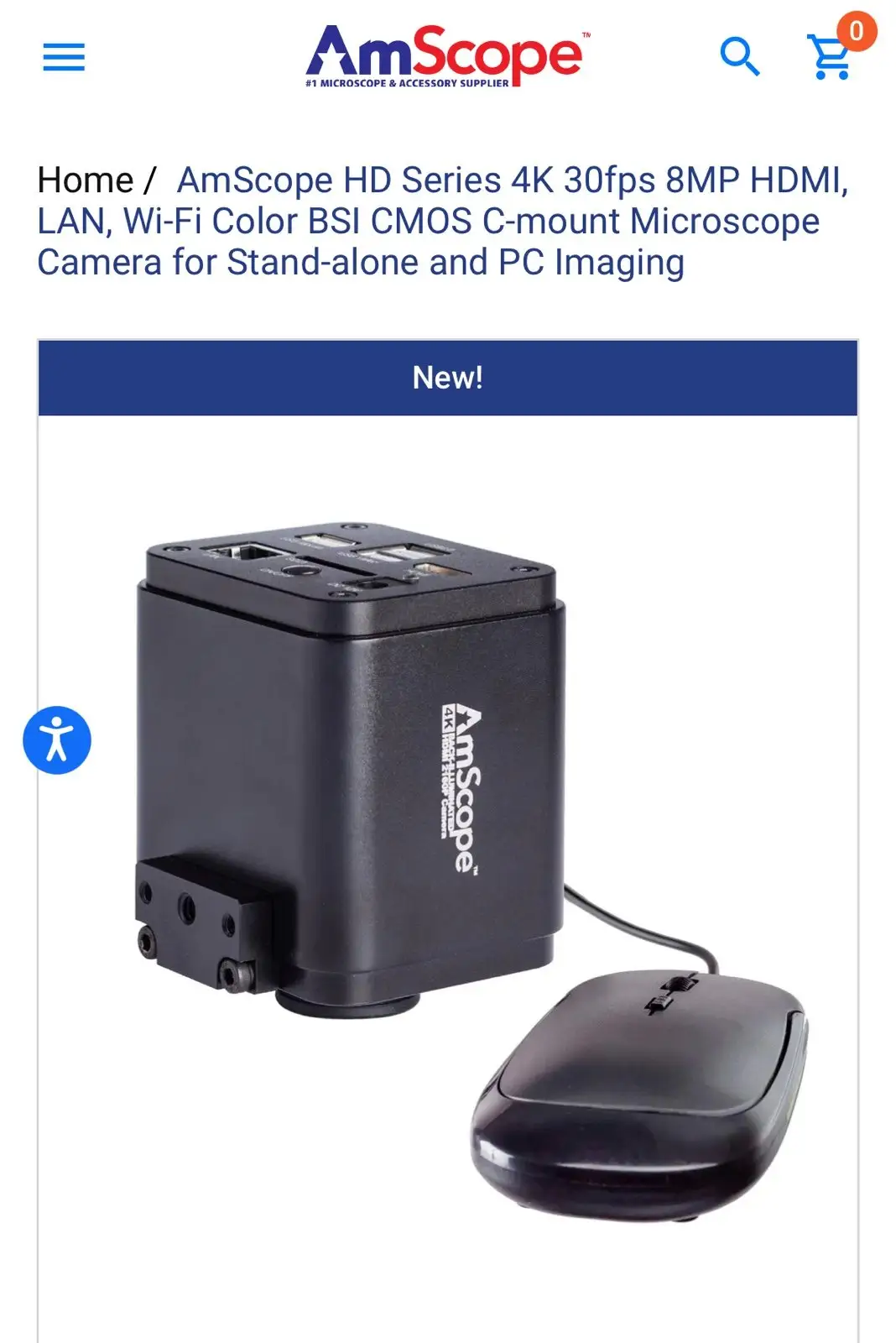
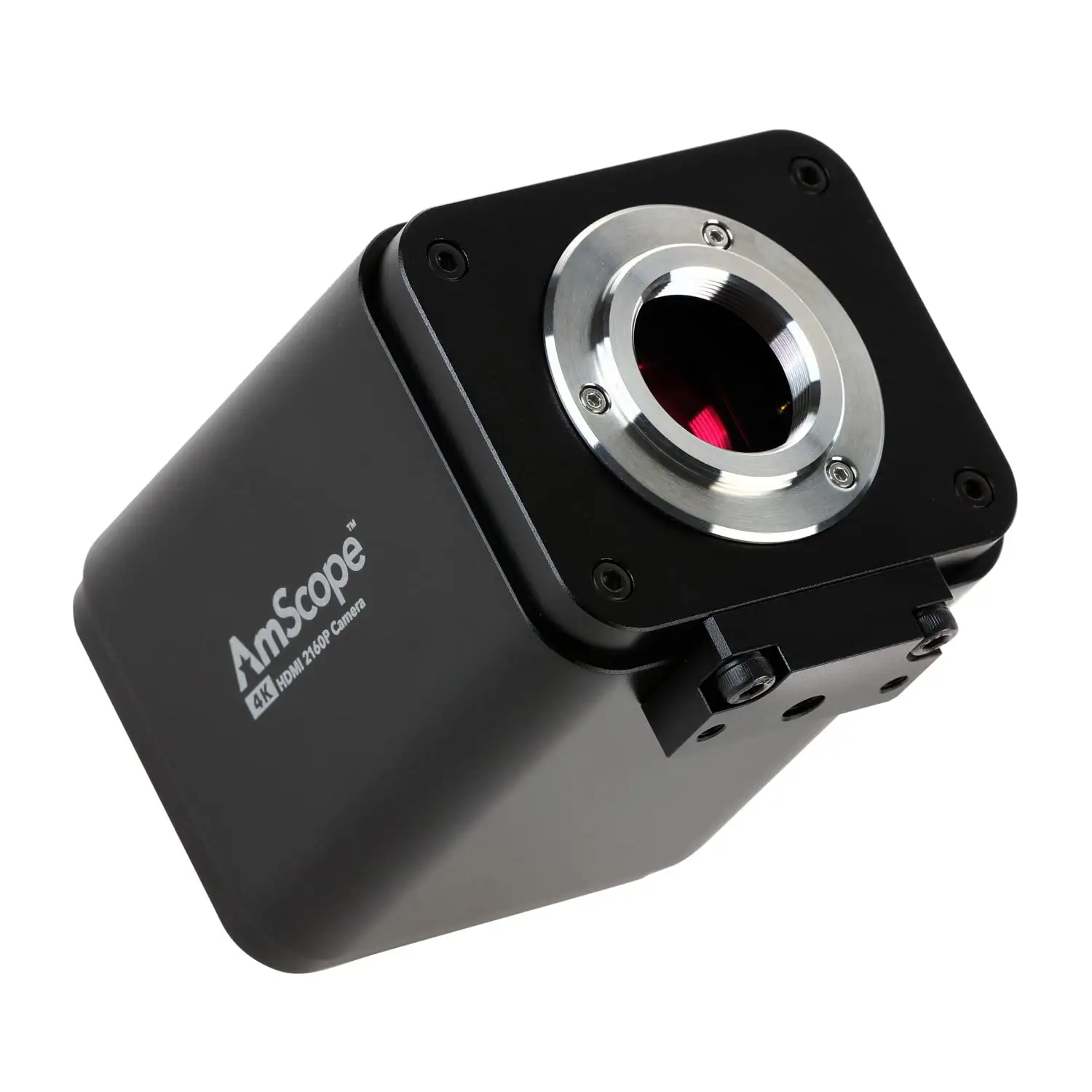
Delivering ultra-high-definition microscopy sounds like a dream, but AmScope 4K HDMI Wi-Fi C-Mount Microscope Camera models—HD408N, AF408N, and HD428N—are stirring mixed emotions in the lab community. Based on extensive user reports across Reddit, Trustpilot, and niche forums, the verdict leans to 8/10 for build quality and clarity, but only 6/10 for workflow efficiency, thanks to quirks in exposure control and live frame rate performance.
Quick Verdict: Conditional — excellent for stills and controlled lab setups, less ideal for fluid, frame-intensive live work.
| Pros | Cons |
|---|---|
| Crisp 4K UHD image detail | HDMI/Wi-Fi capture limited to 30fps despite 4K clarity claims |
| Standalone recording to SD or USB drive | Pointer issue in standalone mode requires mouse to clear |
| Auto-focus model (AF408N) simplifies PCB inspection | Ethernet/Wi-Fi live stream drops usability to ~30fps |
| Back-illuminated CMOS sensor in HD428N excels in low light | Manual exposure tuning needed to avoid slow frame rate |
| Broad microscope compatibility via C-mount | High price compared to equivalent non-branded units |
| Advanced measurement and stitching software tools | Basic bundled lenses/adapters may cause FOV black margins |
Claims vs Reality
Marketing highlights “unrivaled clarity” with 4K UHD at 30fps HDMI output. While users agree the image pop is real, sustained frame rates are another story. On the EEVblog forum, one experienced owner cautioned: “Forget about ethernet, less than 30 fps… you need manual exposure to about 15ms to have the 60 fps,” making clear the official specs don’t always match workflow needs.
Another claim is auto-focus on the AF408N “simplifies workflows,” especially for PCB work. Trustpilot entries support this for steady setups, but a Reddit discussion revealed it may not fully compensate for zoom-range focus shifts without adapter customization. One reviewer explained, “Auto-focus helps but I still had black margins at certain zoom—fixed it with a 0.5x adapter.”
The HD428N’s back-illuminated CMOS is promoted as a low-light specialist. Here, feedback matches the pitch: users dealing with fluorescence imaging found shorter exposures and richer color compared to front-illuminated sensors, noting that low-emission samples became “feasible without cranking gain and losing detail.”
Cross-Platform Consensus
Universally Praised:
Lab inspectors and quality control teams appreciate the standalone capture workflow. A verified buyer on Amazon noted, “Recording straight to SD without a PC saved my QC team hours—photos in seconds, not minutes.” For macOS and Linux labs, cross-platform imaging software support proved critical; Reddit user feedback praises that even on older Intel chip machines, “time-lapse and stitching worked flawlessly.”
Auto-focus (AF408N) garnered specific applause from electronics repair hobbyists, as it eliminated ongoing fine adjustments. “Set ROI once, never touched the focus again through an entire solder job,” a Trustpilot reviewer shared. The HD428N’s Sony IMX485 sensor earned repeated commendations for low-light productivity, enabling faster captures without sacrificing resolution in dim fluorescence workflows.
Common Complaints:
Frame rate limitations remain the most frequent frustration. While HDMI preview delivers 4K30 reliably, live streaming via Ethernet or Wi-Fi often drops into the mid-20s fps. Forum users acknowledge this is “not usable for smooth work when you can have 60 fps via HDMI capture.” Exposure control emerges as another sticking point; reliance on auto-exposure can set long exposures (~100ms) that drag fps down to 10 in some cases. Users counteract by switching to manual, but this adds setup complexity.
Physical workflow quirks include the persistent mouse pointer overlay in standalone mode without USB mouse attached. Reddit user sn4k3 remarked it was “ridiculous, I hope they fix it… otherwise I’ll have 4th mouse on my bench.”
Divisive Features:
Wi-Fi streaming capability splits opinion. For teams accessing the microscope camera remotely, it opens flexibility; yet for live, full-motion imaging, users call it “another thing to stress camera hardware” with noticeable drops in image smoothness. Similarly, bundled reduction lenses are hit-or-miss: some achieve full FOV with supplied optics, others report black margins unless swapping to higher-quality 0.5x or custom adapters. As one forum poster put it, “Lens you buy cheap are often plastic—originals keep image fill consistent.”
Trust & Reliability
Long-term Reddit posts suggest components hold up well under daily use when kept clean and cool. “Six months in, no dead pixels, focus motor still smooth,” wrote one AF408N owner. Skepticism exists over AmScope’s role as a rebranded product line; several users discovered identical models and optics available from Chinese manufacturers at lower cost, sparking debate over brand value.
On Trustpilot, warranty terms were transparent but users noted the one-year coverage for accessories “feels short for the price bracket.” No widespread scam reports surfaced, but given adapter and accessory variability, community buyers recommend sourcing directly from verified vendors to avoid cheaper plastic-lens knockoffs.
Alternatives
The internal comparisons often pit AF408N against HD428N. For low-light specialists, HD428N’s IMX485 clearly outperforms standard CMOS at the cost of losing auto-focus. Conversely, AF408N’s ROI-based focus control wins for electronics and mechanical assembly where lighting isn’t the limiting factor. One EEVblog member contrasted both, saying, “If you only shoot in brightfield, AF408N is plenty; fluorescence and dim work—spend for HD428N.”
For budget-sensitive users, unbranded equivalents found on Alibaba/Aliexpress share near-identical casing and layouts, though potentially with cheaper internal optics. As one seasoned user warned, “Good care makes these lifetime items—better buy good than regret cheap.”
Price & Value
At $922–$1,019 depending on model, these cameras sit firmly in professional territory. eBay listings reveal significant price inflation for branded versions compared to generic options—some buyers pay twice the OEM price. Resale value appears moderate, with well-kept units holding 60–70% of initial cost thanks to demand in education and industrial QC. Community advice centers on buying the variant that matches your lighting and workflow, as adapters and accessories can quickly add $100–$200 to setup cost.
FAQ
Q: Can I achieve 60fps in 4K mode?
A: Only via certain HDMI capture setups with manual exposure under ~16ms; Ethernet/Wi-Fi is capped at ~30fps.
Q: Does auto-focus completely eliminate manual adjustment?
A: In bright, static setups it works well. Zoom or FOV changes may still prompt small manual tweaks.
Q: Is the low-light sensor worth the premium?
A: For fluorescence or dim lighting, yes—it shortens exposure and improves color fidelity.
Q: Can I stream over Ethernet without lag?
A: Not in true real-time; expect frame rates around 25–30fps depending on network load.
Q: Will cheap reduction lenses affect image quality?
A: Often, yes. Users report plastic optics causing black margins or reduced sharpness.
Final Verdict:
Buy if your workflow centers on high-resolution stills, controlled lighting, and you need cross-platform compatibility. Avoid if you rely heavily on smooth live video via network streaming. Pro tip from the community: invest in quality reduction lenses and learn manual exposure control—your frame rate and image fill will thank you.





