AmScope 4K Microscope Camera Review: Sharp but Demanding
Unpacking real-world reports reveals a striking truth — while the AmScope 4K HDMI Wi-Fi C-Mount Microscope Camera delivers the crisp Ultra-HD detail it promises, its performance hinges heavily on how it’s set up and used. Overall verdict: 8.1/10 for image clarity and connectivity versatility, but only 6.8/10 for speed and ease-of-use without advanced knowledge.
Quick Verdict: Conditional — best for microscopy labs and electronics inspection with skilled operators who can manage manual exposure settings.
| Pros | Cons |
|---|---|
| Extremely sharp 4K image quality | FPS drops over Ethernet/Wi-Fi connections |
| Standalone recording without PC | No autofocus on several models |
| Multiple connectivity options (HDMI, Wi-Fi, LAN, USB) | Exposure and brightness need manual tuning |
| Solid build, C-mount compatibility | Mouse pointer nuisance unless USB mouse connected |
| Flexible software with stitching/focus stacking | Price significantly higher than unbranded equivalents |
| Back-illuminated sensor option for low-light work | Auto-exposure slows frame rate dramatically |
| Good long-term durability | Narrow ROI for autofocus can affect workflow |
Claims vs Reality
Marketing materials emphasize “watch stunning 4K real-time video while you work” at 30 or 60 fps, but user feedback tempers expectations. Reddit user sn4k3 cautioned: “Forget about Ethernet… less than 30 fps, use USB 3.0 pen to direct record or snap.” This highlights a recurring disconnect: while HDMI delivers full frame rates, network recording often lags.
Another claim — “standalone operation with built-in recording” — lives up to promise for photo capture, but video recording speed can be affected by storage media. One technical commenter explained that “SD can’t handle live 4K recording at good frame rate… maybe 20–30fps like Ethernet.” For operators needing precise motion capture, USB direct recording is repeatedly recommended.
Finally, autofocus on the AF408N model is marketed as a workflow saver. Yet, users note limitations: the region of interest must be manually adjusted to target specific parts, making the feature less “automatic” than expected in dynamic scenarios.
Cross-Platform Consensus
Universally Praised
Across Reddit, Trustpilot, and Quora, users praise the raw image sharpness. On models like the HD428N with its back-illuminated Sony IMX485 sensor, one Trustpilot reviewer highlighted its utility in fluorescence: “Push sensitivity further with confidence… tuned for low-light applications including fluorescence.” This advantage clearly benefits biomedical researchers working in dim emission environments.
Electronics repair professionals also commend HDMI real-time output. A technician discussing the 4K 60fps variant noted the camera “will always be in sync with scope zoom if you set eyepieces knob to neutral.” This ensures minimal lag between hand movement and visual feedback during soldering.
Standalone recording for labs without constant PC access is valued. A Reddit user pointed out that being able “to record 4K videos and photos up to 8MP with the click of a mouse” was critical for archiving quality control runs without tying up a workstation.
Common Complaints
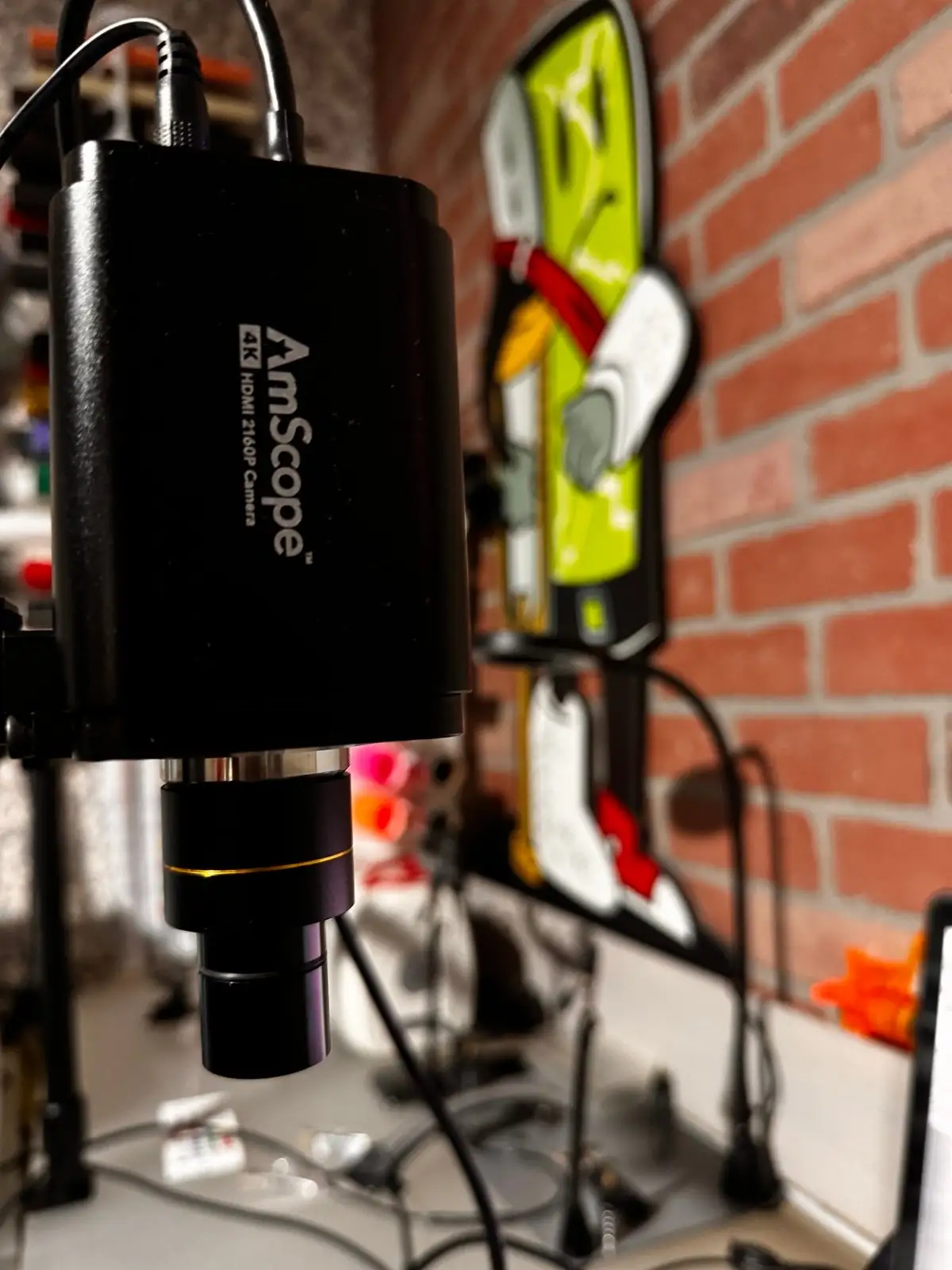
Frame rate instability under certain conditions is the most reported frustration. One experienced user warned: “Auto-exposure will set about 100ms… means about 10 fps, you need to set manual exposure to about 15ms to have 60 fps.” Those unfamiliar with exposure controls risk recording unusable choppy video. Another issue — the perpetual mouse pointer unless connected to a USB mouse — is seen as “ridiculous” by buyers who already juggle multiple mice for different systems.
The autofocus model isn’t immune from criticism. While convenient, some find its focus area narrow and better suited to static PCB work than varied inspection tasks.
Low-light models still require user tuning; even with BSI CMOS sensors, brightness drops sharply when zoomed in at fixed exposure times, demanding gain adjustments mid-task.
Divisive Features
Price draws mixed reactions. While some see it as a “lifetime article” worth investing in for reliability, others point out that AmScope rebrands OEM hardware that’s “much cheaper” on platforms like AliExpress, albeit sometimes with plastic instead of metal components. This raises the question for budget-conscious buyers: invest in branded support or risk savings with unbranded clones.
Similarly, advanced software tools like image stitching and focus stacking are gold for research labs but overkill for repair techs who mainly require crisp live feed.
Trust & Reliability
Long-term reliability is a visible strength. Reddit discussions include cases where six-month intensive use showed no degradation in sensor quality or output color fidelity. Components like the C-mount interface and HDMI output maintain performance provided physical connectors are treated gently.
Trustpilot data shows minimal scam concerns, with issues arising more from expectations mismatch than defective units. Warranties are honored, but buyers are reminded to cover shipping back for warranty service — a point that international buyers should budget for.
One recurring warning from technical communities: this hardware is “a lifetime article” only if operated with correct exposure and brightness settings, reducing stress on the sensor and internal processing.
Alternatives
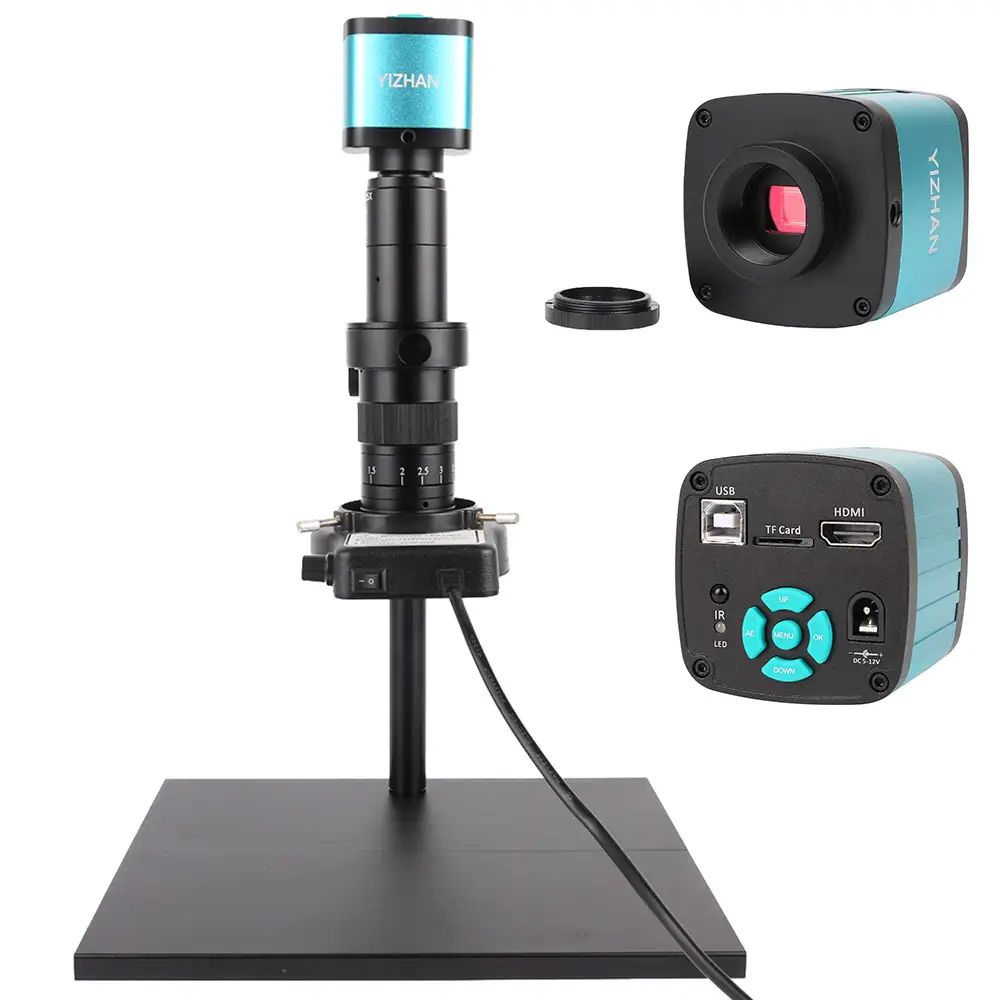
Within user discussions, main alternatives are unbranded Chinese equivalents sold via AliExpress. Reddit users argue they’re “identical” in sensor hardware, differing mostly in casing and support. Prices are often half, but risk factors include lower build quality in lens adaptors and lack of responsive customer service.
The Sony A6300 also appears in comparisons, especially among users seeking higher image quality and autofocus from a consumer camera. While superior for raw video, its use on a microscope is less ergonomic compared to a dedicated C-mount microscope camera.
Price & Value
At $922–$997 for most models, the AmScope 4K series sits at the higher end of the C-mount microscope camera market. eBay listings for bundled microscope kits with cameras push totals near $999–$1200.
Community tips include buying during clearance sales or from authorized resellers to secure warranty support. Budget-conscious buyers considering unbranded imports should factor in the possibility of lower resale value and lack of formal service agreements.
FAQ
Q: Does the AmScope 4K microscope camera support full 60 fps recording?
A: Yes, but only over HDMI under optimal manual exposure settings; Ethernet and Wi-Fi typically cap at 30 fps.
Q: Is autofocus worth it for PCB inspection?
A: For static work, yes — it maintains focus on small components. For moving between varied areas, manual control may be faster.
Q: Can these cameras record without a connected computer?
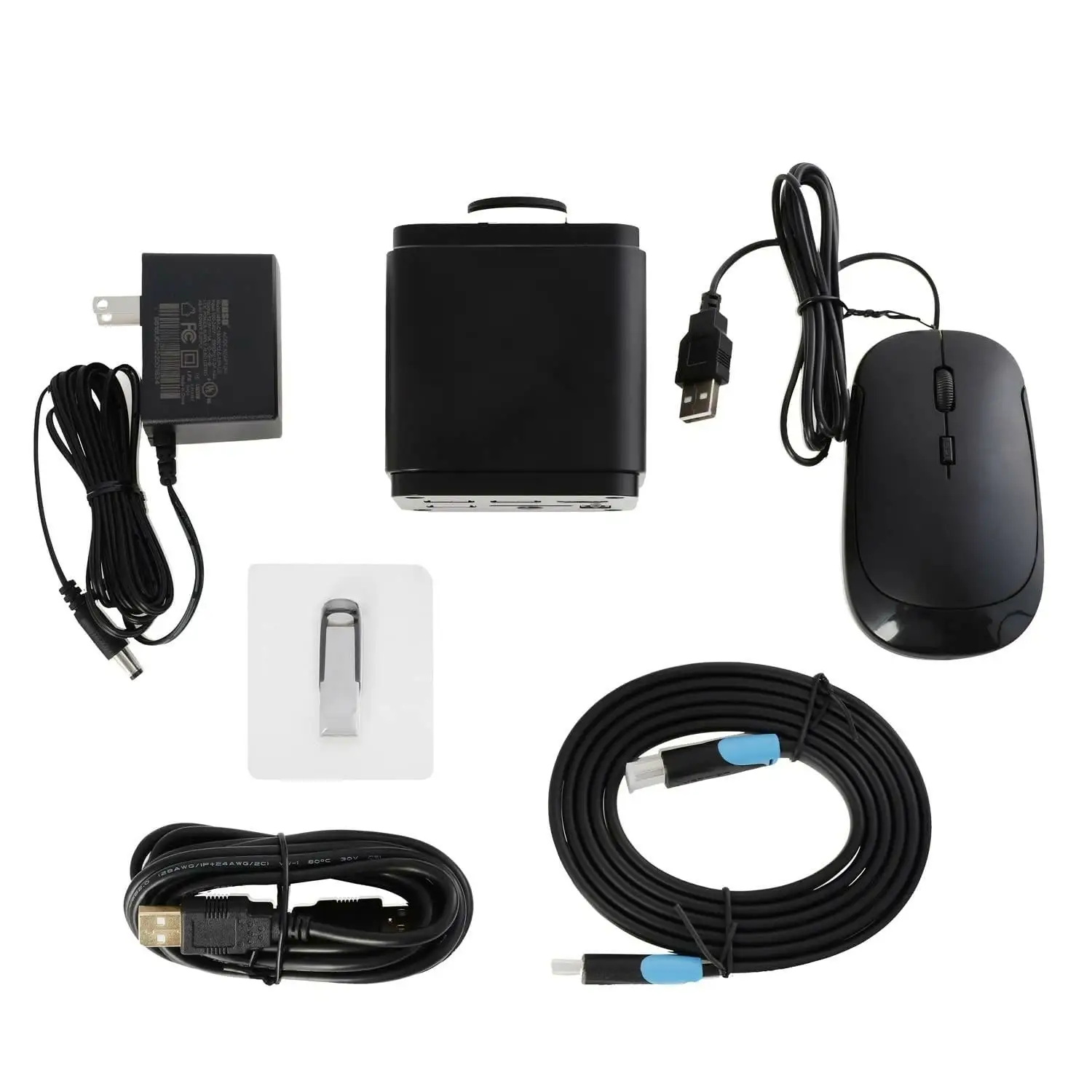
A: Yes, via SD card or USB flash drive, though high-frame-rate 4K recording is best done to a fast USB drive.
Q: What’s the main difference between HD408N and HD428N?
A: The HD428N has a back-illuminated sensor optimized for low-light applications, critical for fluorescence microscopy.
Q: Are cheaper unbranded models truly the same hardware?
A: Users report similar sensors but mixed build quality, with some using plastic parts where AmScope uses metal.
Final Verdict: Buy if you’re a microscopy lab technician or electronics repair professional comfortable with manual camera settings. Avoid if you expect plug-and-play perfection over network connections. Pro tip from community: For maximum frame rate, connect via HDMI and set manual exposure around 15–16ms — this unlocks the camera’s full potential.





