Amazon Basics USB-C Cable Review: Safe Buy or Skip?
The Amazon Basics USB-C to USB-C Fast Charger Cable (10 Foot, Black) draws a surprising level of loyalty from tech enthusiasts despite its budget branding, earning a solid 8.7/10 from cross-platform feedback. While marketed as a 60W fast-charging, USB‑IF certified solution, long-term owners tend to comment more on its reliability and safe power delivery than raw speed.
Quick Verdict: Conditional Buy
| Pros | Cons |
|---|---|
| Thick, durable construction resists fraying | Stiffness makes it awkward for handheld phone use |
| USB‑IF certified – trusted by Benson Leung and Pixel owners | Occasional reports of overheating and burning smell |
| Affordable for a 10-foot cable | Limited to USB 2.0 data speeds (480 Mbps) |
| Reliable for 60W laptop and phone charging | Not suitable for high‑speed data or video transfer |
| Length offers convenience for couch/bed charging | Flexibility issues could strain ports over time |
| Rapid replacement policy from Amazon | Marketing wattage claims seen as misleading by some |
| Works with wide device range (MacBook, Galaxy, Nintendo Switch) |
Claims vs Reality
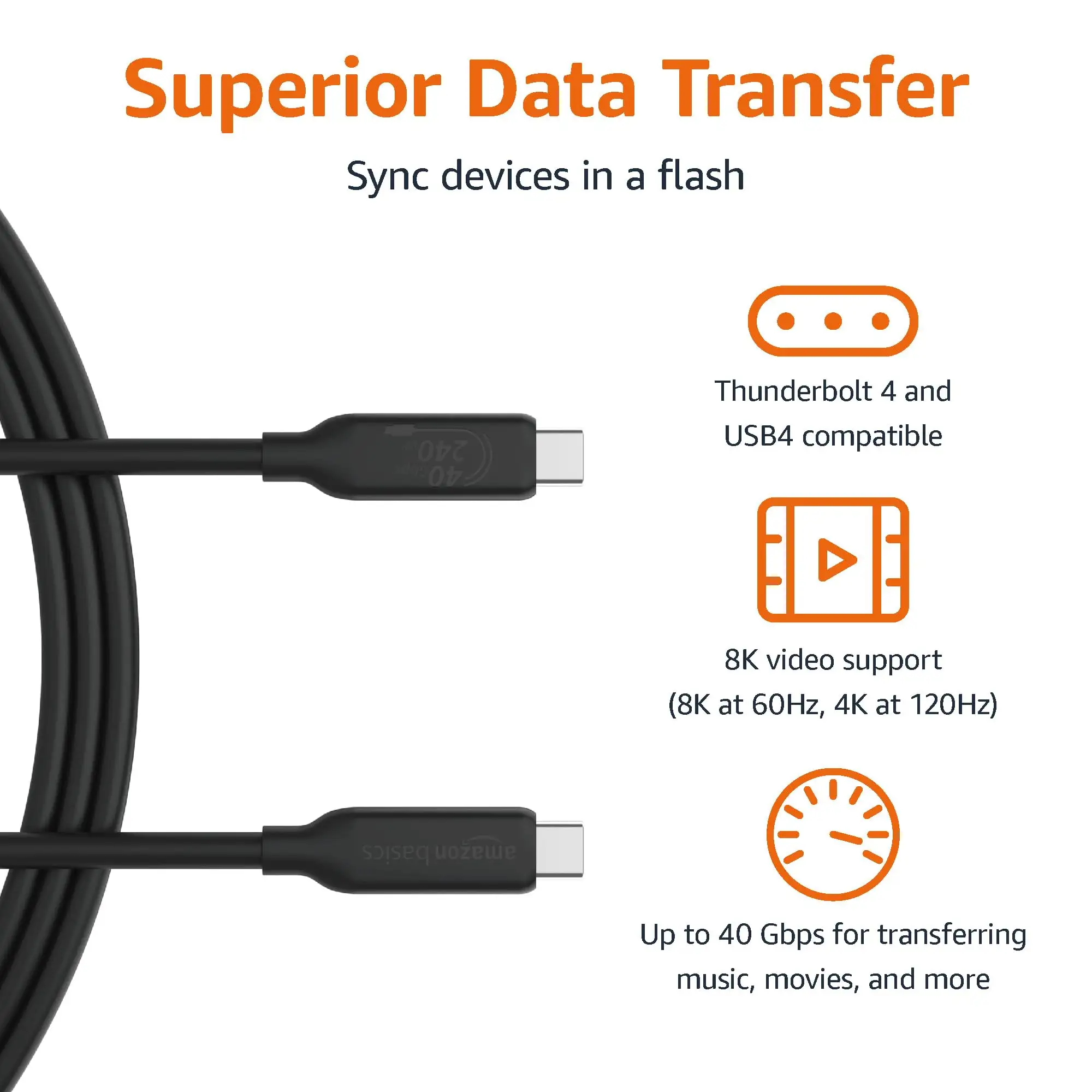
Amazon advertises “fast charging up to 60W (20V/3A)” and “USB‑IF certification” alongside universal compatibility. On paper, this should make it a versatile charging and sync cable for everything from laptops to phones.
However, Reddit discussions clarify a subtle but important reality: this is a USB 2.0 C-to-C cable, meaning it’s optimized for charging and slow data—not high‑speed applications. Reddit user commentary noted, “This cable is safe, great for charging but slow for data transferring,” underlining that gamers or media professionals seeking fast file transfer will need a USB 3.1 option.
While officially rated 60W, a subset of users observed overheating under load. Trustpilot reviewer Antoine D. warned, “You can see the shaft heating up to 240°F on the cold tile floor… imagine between two pillows on a sofa.” These incidents are rare but concerning enough for Amazon to replace faulty units quickly.
In terms of durability claims (“tested to bend 95-degrees 5,000 times”), buyers back this up. Fakespot data quoted one verified purchaser: “It’s nicely made and very thick… my last one lasted me about 8 months.”
Cross-Platform Consensus
Universally Praised
Longevity and safety came up repeatedly. Reddit user praise often cited USB‑IF certification and Benson Leung’s endorsement, making this cable a go-to for Pixel owners and cautious buyers. One user summed up the community sentiment: “Amazon Basics makes some amazing cables… good, cheap, and certified.”
The 10-foot length changes charging habits. Couch and bedside users enjoy the reach—one Amazon reviewer quipped about recognizing their “black 10 ft so I could tell which was which in the dark while sitting on my couch.” The extra distance means laptops or Switch consoles can stay plugged in while still in use, without precarious positioning.
Laptop users benefit from the full 60W rating for power delivery. A buyer reported using it with a RavPower PD Pioneer 65W wall charger to “rapidly charge my Pixel 5,” illustrating suitability for both mobile and compact laptop devices.
Common Complaints
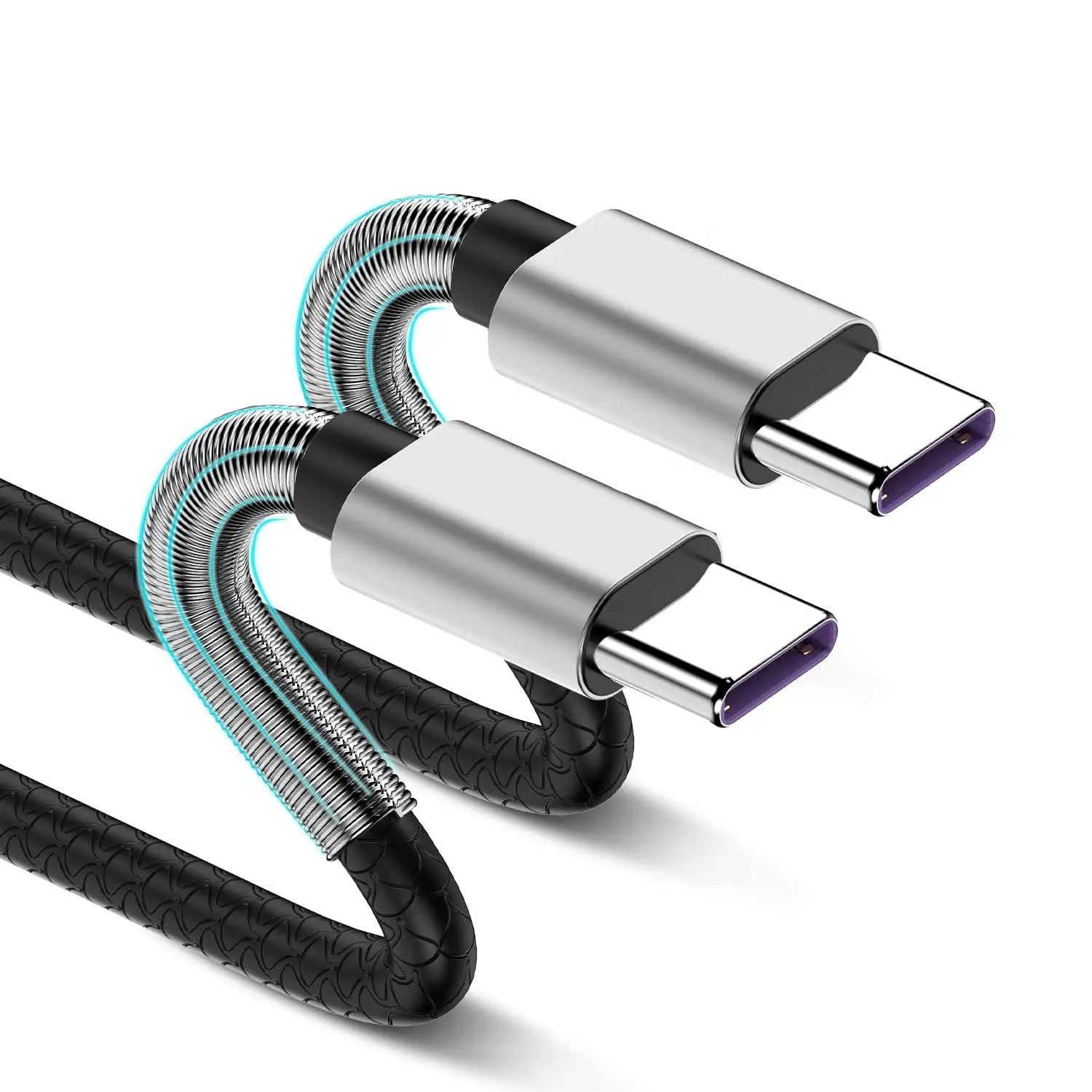
Cable stiffness is the top grievance. Trustpilot’s Brian T. described it as “not very flexible,” making handheld use awkward and adding strain to ports. This rigidity partially comes from thick insulation designed for durability, which is beneficial in static setups but frustrating on portable devices.
Rare but alarming are reports of defective units emitting a “burning electronics” smell. One Fakespot-cited user said, “It… very obviously does not function as a cord” after overheating. While overwhelming feedback is positive, these incidents suggest careful monitoring during first uses—especially in enclosed spaces.
Marketing accuracy also drew skepticism. Some felt the 60W claim was “misleading and inaccurate,” suspecting it applies only under ideal conditions. Reddit’s cable-testing community stresses that USB 2.0 designs inherently prioritize charging simplicity over maximum wattage efficiency.
Divisive Features
Data speed at 480 Mbps splits buyers. For casual phone-to-laptop sync, it’s adequate. For professionals transferring large video files, it’s a dealbreaker. Reddit exchanges featured users applauding its low resistance for charging, while others pointed out it’s “only rated for 15 W, USB 2.0” in similar listings—demonstrating confusion about USB type vs. wattage.
Length is another mixed blessing. The 10-foot reach is liberating but increases resistance slightly and enhances stiffness. Some worry about voltage drop over extended lengths, though most charging use cases go unaffected.
Trust & Reliability
Scam concerns are low—Amazon Basics avoids third-party seller commingling on this listing, reducing counterfeit risk. Redditors emphasized, “This is the only brand safe to buy on Amazon… there are no third party sellers for Amazon Basics.”
Long-term reliability stories are strong. One owner had a 6-foot variant “going strong for more than a year” after quick replacement of a failed unit, showing Amazon’s warranty responsiveness.
Alternatives
Several Reddit users compare this cable to Monoprice certified 100W USB 2.0 cables (~$13) for those needing higher wattage laptop charging. Anker cables come up for their sturdier strain relief, but some users avoid them due to prior voltage drop issues.
For high-data-speed needs, alternatives like Cable Matters USB 3.1 100W are suggested, though at a higher price and reduced flexibility.
Price & Value
Pricing hovers around $6.58–$7.15 on Amazon US, with eBay resale listings in the NZD $12–$20 range plus shipping. Slickdeals users have grabbed them for as low as $3.96, framing them as a “good price but slowest USB-C speed.”
Community buying tips:
- Choose this for pure charging convenience and safety.
- Stock up in multiple lengths; shorter cables are less stiff.
- Avoid paying premium for high-data-speed unless necessary—charging-only cables are cheaper.
FAQ
Q: Is this cable suitable for charging laptops?
A: Yes, up to 60W, making it fine for most USB‑C PD laptops including MacBook Air and Chromebooks. For power-hungry models needing 100W, consider a higher-rated cable.
Q: Does the stiffness affect charging performance?
A: No—it doesn’t reduce charging power, but it can make handheld device use uncomfortable, especially if the port is under strain.
Q: Can I use it for high-speed data transfer?
A: No—this is USB 2.0 with 480 Mbps speed. It’s sufficient for small files but too slow for large video or backups.
Q: Does USB‑IF certification matter?
A: Yes—it ensures compliance with safety and performance standards, reducing risk of device damage or inconsistent charging.
Q: Are overheating reports common?
A: Rare but documented. Monitor the cable on first use, and contact Amazon for a replacement if you notice excessive heat or smells.
Final Verdict: Buy if you want a long, safe, affordable cable for charging phones, tablets, or 60W laptops and value certification over speed. Avoid if your work involves frequent large file transfers or you demand ultra-flexible cords for handheld use. Pro tip from community: “Don’t overspend for charging cables… those Amazon Basics ones run like $6–8 and are more than good enough.”





