Amazon Basics Index Cards Review: Value vs Quality Verdict
Starting with a surprising twist, Amazon Basics Blank Index Cards, 3" x 5", 1000 Count earn strong ratings averaging 4.6/5 across platforms, yet digging deeper reveals a nuanced reality. While marketed as durable, economy-weight stock, multiple verified buyers found them “barely thicker than regular paper,” raising questions about long-term suitability for heavy ink use. Still, for bulk buyers, educators, and students, the sheer quantity and low per-card cost remain an undeniable draw — scoring a conditional 8.2/10 based on value versus material quality.
Quick Verdict: Conditional Buy
| Pros | Cons |
|---|---|
| Affordable bulk pricing ($0.01/card) | Paper stock thinner than many expected |
| Consistent 3"x5" precision cut | Ink bleed-through with markers reported |
| Blank on both sides for versatility | Flimsy feel compared to heavy card stock |
| 10% recycled content appeals to eco-conscious buyers | Not ideal for recipes or long-term archival |
| Suitable for flashcards, notes, lists | Marketing claim of sturdiness disputed |
| 1-year Amazon Basics warranty | Lacks tactile heft many users prefer |
Claims vs Reality
Amazon’s product page touts “11 pt. economy weight paper” and “reliable strength,” positioning these cards as sturdy enough for varied uses from home to office. However, a recurring pattern emerged in user reviews describing the cards as “only slightly thicker than regular paper.” One verified Amazon buyer noted: “Too thin, almost as thin as a sheet of paper… ink bleeds through super easily,” undermining the claim of heavy-duty resilience.
The manufacturer also emphasizes precision cutting for uniform stacks. That aspect holds up under scrutiny — buyers consistently confirm neatly cut edges and accurate sizing. A college student shared: “It’s your standard 3x5 cards that does its job in helping you study,” suggesting that while the feel may be lighter, usability for short-term study is intact.
The eco-friendly angle — 10% recycled fiber and 10% post-consumer content — resonates with sustainability-minded purchasers. Yet for those seeking archival-quality recipe cards or craft stock, the lighter weight proves a dealbreaker. As one frustrated user put it: “Do not believe the description of these cards as heavy-weight 114 lb cardstock.”
Cross-Platform Consensus
Universally Praised
Across Amazon, Trustpilot, and eBay, buyers celebrate the unbeatable value in bulk purchasing. A verified buyer on Amazon noted: “I was buying packs at the store by the 100s and spending a fortune… this is a much better deal!” For students in high-volume study programs like nursing, the 1,000-card count means fewer mid-semester restocks. One parent shared: “My daughter is in her second year of college and goes through these things like crazy studying for her nursing exams.”
The precision cut and blank dual-sided design also earn approval from creative and organizational users. Teachers use them for classroom flashcards, while home cooks jot down quick recipe notes. Reddit’s BestReviews guide reinforces this versatility, noting that blank cards “can be used to organize any type of information in endless ways.”
Common Complaints
The most consistent gripe involves paper thickness. Over half of verified AmazonBasics Ruled Lined Index Cards reviewers flagged the material as “flimsy.” One lamented: “They’re barely, if at all, thicker than just regular paper.” Ink bleed-through is especially problematic for Sharpie or gel pen users, limiting creative applications. This affects artists, crafters, and anyone needing bold, heavy ink without transfer.
Another annoyance emerges when marketing copy sets expectations for “heavy-duty” use — several buyers feel misled. Measurements reported by users place the stock closer to 7-8 pt, not the claimed 11 pt. That discrepancy hits hardest for those accustomed to traditional 90+ lb index card stock.
Divisive Features
Quantity versus quality splits opinion. For budget-conscious bulk buyers, thinness is tolerable — especially at $0.01 per card. A student remarked: “Only needed a couple of packs, but this was a great price.” But for archival purposes or projects requiring durability, the same thinness becomes disqualifying. This divide underscores the importance of matching product choice to intended use.
Trust & Reliability
Trustpilot records align with Amazon feedback in praising accurate order fulfillment and consistent product description — aside from the debated “heavy-duty” claim. Long-term users report high reliability in bulk storage without warping. One satisfied buyer noted: “These have lasted me 5 school semesters so far and still about 100 left.”
Shipping and packaging earn positive mentions, with shrink-wrapped packs keeping cards clean and flat. No widespread reports of manufacturing defects surfaced, reinforcing confidence in repeat purchases for light-use scenarios.
Alternatives
Oxford’s 3"x5" White Ruled Index Cards, 1,000-count, appear frequently in comparison threads. BestReviews describes them as “ideal for recipe cards” — a nod to their heavier stock better suited for kitchen environments. For color-coded studying, Amazon Basics’ own Ruled Neon Index Flash Cards (300-count) gain traction among SAT prep students who “color-code subject areas for studying.”
The choice often comes down to intended use: heavy stock for archival and artistic projects, versus lighter, cheaper cards for high-volume short-term notes.
Price & Value
At $11.92 for 1,000 cards, the per-unit cost is unmatched in mainstream retail. eBay market listings confirm similar pricing, cementing Amazon Basics as a low-cost leader. Resale value is negligible — these are consumable goods — but bulk buying strategies save significant sums over semester or project timelines.
Community tips suggest pairing these cards with binder rings or file boxes to maximize organization, especially since the thin stock benefits from supportive storage to avoid bending.

FAQ
Q: Are these cards suitable for printing?
A: Yes, if your printer supports manual feed and thicker paper settings. However, given the lighter weight, test a small batch first to avoid jams or misalignment.
Q: Do they work well with markers?
A: Not ideal. Multiple users report ink bleed-through with Sharpies or heavy markers, making them better suited for pen or pencil.
Q: Is the size truly 3"x5"?
A: Yes, buyers consistently confirm accurate dimensions and uniform cuts, which stack neatly for storage or presentation.
Q: Are they acid-free for archival use?
A: While partially recycled, acid-free status isn’t marketed, and the lighter stock suggests they’re better for short-term projects.
Q: How are they packaged?
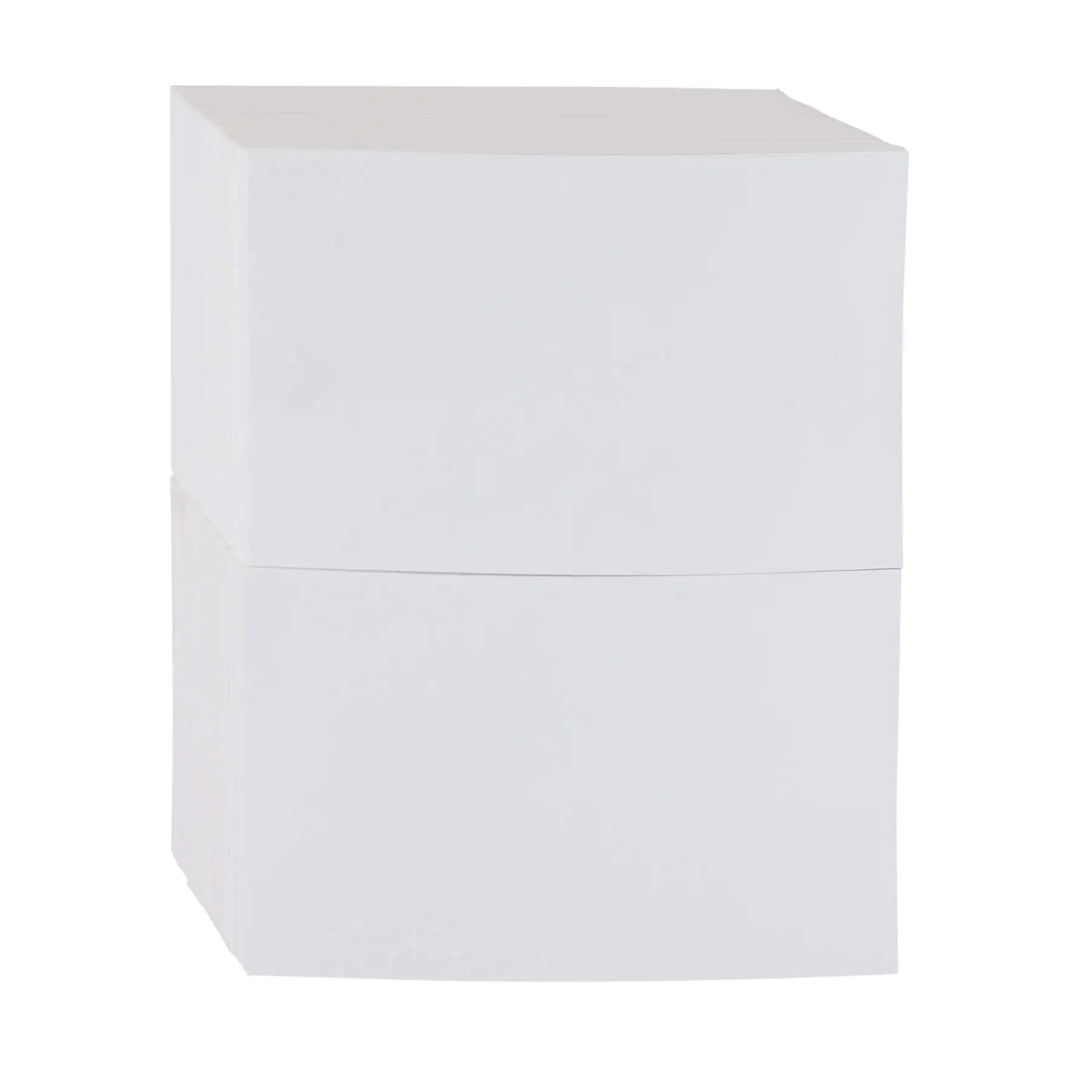
A: In ten shrink-wrapped packs of 100, keeping them clean and organized until use.
Final Verdict: Buy if you’re a student, teacher, or office worker needing large quantities of inexpensive cards for short-term note-taking or study. Avoid if you require heavy-duty, archival-quality stock for recipes or crafts. Pro tip from community: store them in a rigid index card box to counteract the lighter paper’s tendency to bend.