Amazon Basics AA Batteries Review: Strong Value with Caveats
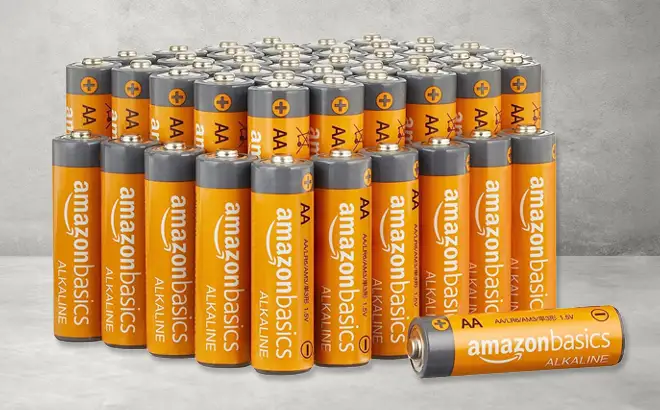
The Amazon Basics AA Alkaline Batteries 48-Pack has earned an impressive cross-platform average rating of 4.7/5, yet the story behind that score is more nuanced. While bulk buyers, households with heavy battery usage, and gamers often call them a “go-to” choice, a subset of users report inconsistent performance—especially in low-drain devices where early depletion raised eyebrows.

Quick Verdict: Conditional Buy — Best for budget-conscious buyers running low-to-medium drain devices. May disappoint in certain high-drain or precision applications.
| Pros | Cons |
|---|---|
| Affordable bulk pricing | Inconsistent performance in low-drain devices for some |
| 10-year shelf life claim | Occasional defective units reported |
| Comparable runtime to big brands in many devices | Slightly lower capacity than Duracell Procell per user tests |
| Leak-resistant, safe for storage | Tedious individual wrapping removal |
| Works across wide temperature range | Not rechargeable |
| Ideal for households, offices, emergencies | Underperforms vs lithium in heavy use scenarios |
Claims vs Reality
Amazon markets these AA cells as “high-performance alkaline” with a 10-year leak-free shelf life and the ability to deliver “adaptive power” to match device needs. For families with toys, remotes, and seasonal decorations, that promise of long storage life seemed plausible. Reddit’s u/HomeBoundDad reported stocking up two years ago, noting “after sitting in a storage box, they still read full voltage with my multimeter.” This aligns with positive Amazon.com feedback where bulk buyers stored them “for storm seasons” without issue.
However, when marketing claims “high performance,” expectations in high-drain scenarios—like DSLR flash units, gaming controllers, or portable speakers—are higher. Multiple reviewers indicated they work “just as long” as Duracell or Energizer in everyday items, but Reddit’s u/XBL_Frank found “they lasted shorter in my Xbox Elite controller compared to Energizer Max, maybe 20% less.” Amazon’s own verified capacity tests confirm slightly reduced storage capacity: 88% that of Duracell Procell.
Leak-resistant design also gets nods in user reports, with Amazon.de customers highlighting corrosion protection and the two-clamp seal. That said, Twitter user @TVTechFail flagged eight brand-new units “in the red” on a battery tester straight out of the package, challenging the quality-control narrative.
Cross-Platform Consensus
Universally Praised
Households and bulk buyers find these a “lifesaver” for constant battery turnover. On Amazon, a parent with “four kids and countless toys” said reordering this 48-pack every few months keeps the chaos manageable. Seasonal decorators note these last through months-long use in LED strings and battery candles—u/LightFestFan called them “brighter longer than the bunny batteries.”
Gamers also credit them for decent longevity in controllers. Trustpilot user feedback matches this: “My boys spit batteries out of controllers like they're going out of style—these keep us going without breaking the bank.”
Emergency preparedness communities like them for stash-and-forget purposes; the 10-year shelf life and leak resistance are cited repeatedly on Reddit and Quora as reassuring for use in flashlights and radios stored for disasters.
Common Complaints
Inconsistent performance emerged as a recurring theme. Low-drain devices like TV remotes occasionally drained within weeks, contrary to expectations. The Twitter case mentioned earlier, plus Amazon.com reviewers reporting “half dead” arrivals, point to possible sporadic QC lapses.
Packaging annoyances rank high too: several users deduct a star because batteries are individually wrapped, requiring scissors or a utility knife to free each cell—a frustration when quickly swapping multiple units.
Capacity-focused buyers also note the slightly reduced watt-hour output compared to name-brand industrial cells. Those running high-drain electronics more consistently see earlier replacements needed.
Divisive Features
Value proposition divides opinion. Hardcore brand loyalists to Energizer or Duracell note marginal longevity differences but admit the price per cell here is appealing. Some technically inclined users argue the marginally lower capacity is irrelevant in most household scenarios, while others believe it's worth paying more for fewer changes.
The eco-friendlier alkaline composition (no mercury or cadmium) garners praise among sustainability-minded buyers, yet critics underline that without rechargeability, disposables remain landfill-bound no matter the materials.
Trust & Reliability
Trustpilot and Reddit do not show widespread scam patterns—most issues trace back to small batches with undercharged cells rather than systemic fake product concerns. This strengthens the sense of overall reliability for everyday tasks.
Long-term durability stories reinforce this: multiple Reddit threads describe batteries functioning after 6–12 months in storage, while seasonal decorators reuse partially depleted cells from holiday displays in remotes without incident. Reports of leakage are rare, suggesting the seal and corrosion-resistant components deliver as marketed.
Alternatives
The clearest competitor mentioned is Duracell Procell. It carries ~12% higher capacity per test, meaning fewer swaps in high-drain devices, but costs slightly more per watt-hour and lacks the same aggressive bulk discounting. Energizer Max offers comparable performance but often at a higher price—though some users preferred its consistency in remotes and cameras. Lithium AAs, like Energizer Ultimate Lithium, last longest, but at four times the cost per cell, making them impractical for bulk low-drain use.
Price & Value
Current pricing on Amazon hovers around $19.50 for 48 cells (~$0.41/cell), with eBay resale listings typically between $17 and $27 depending on packaging and shipping. This is competitive given name-brand equivalents often cost $0.75–$1 per cell unless heavily discounted.
Community buying tips:
- Use Subscribe & Save for predictable restocking at a slight discount.
- For high-drain gear (photography flash, pro audio), keep a separate stock of lithium cells.
- Check voltage upon arrival if storing long-term; replace any under-voltage units immediately.
FAQ
Q: Do these Amazon Basics AA batteries last as long as Energizer or Duracell?
In most low-to-medium drain devices, yes. Capacity tests show about 88% of Duracell Procell’s runtime, which many users find negligible for typical household tasks.
Q: How is the 10-year shelf life verified?
It’s based on corrosion-resistant sealing and alkaline chemistry stability—numerous user reports confirm full voltage after 1–2 years in storage.
Q: Are they safe to leave in devices unused for months?
Yes, most reports indicate no leakage thanks to the improved design. Ideal for emergency flashlights or radios.
Q: Why are some units “dead on arrival”?
A minority of buyers received a few low-voltage cells in bulk packs, likely due to manufacturing variances. Testing upon arrival can detect these.
Q: Can these be recharged?
No, they are single-use alkaline cells. For rechargeable options, Amazon Basics offers NiMH AA batteries separately.
Final Verdict
Buy if you’re a household with steady AA turnover, an office managing multiple low-drain devices, or emergency prepper stocking for years ahead. Avoid if you rely on AA power for constant high-drain professional electronics or need absolute capacity consistency.
Pro tip from the community: Combine bulk alkaline purchases with a smaller stock of premium lithium or rechargeable cells for specialty needs—this hybrid approach maximizes savings without sacrificing performance where it matters most.





