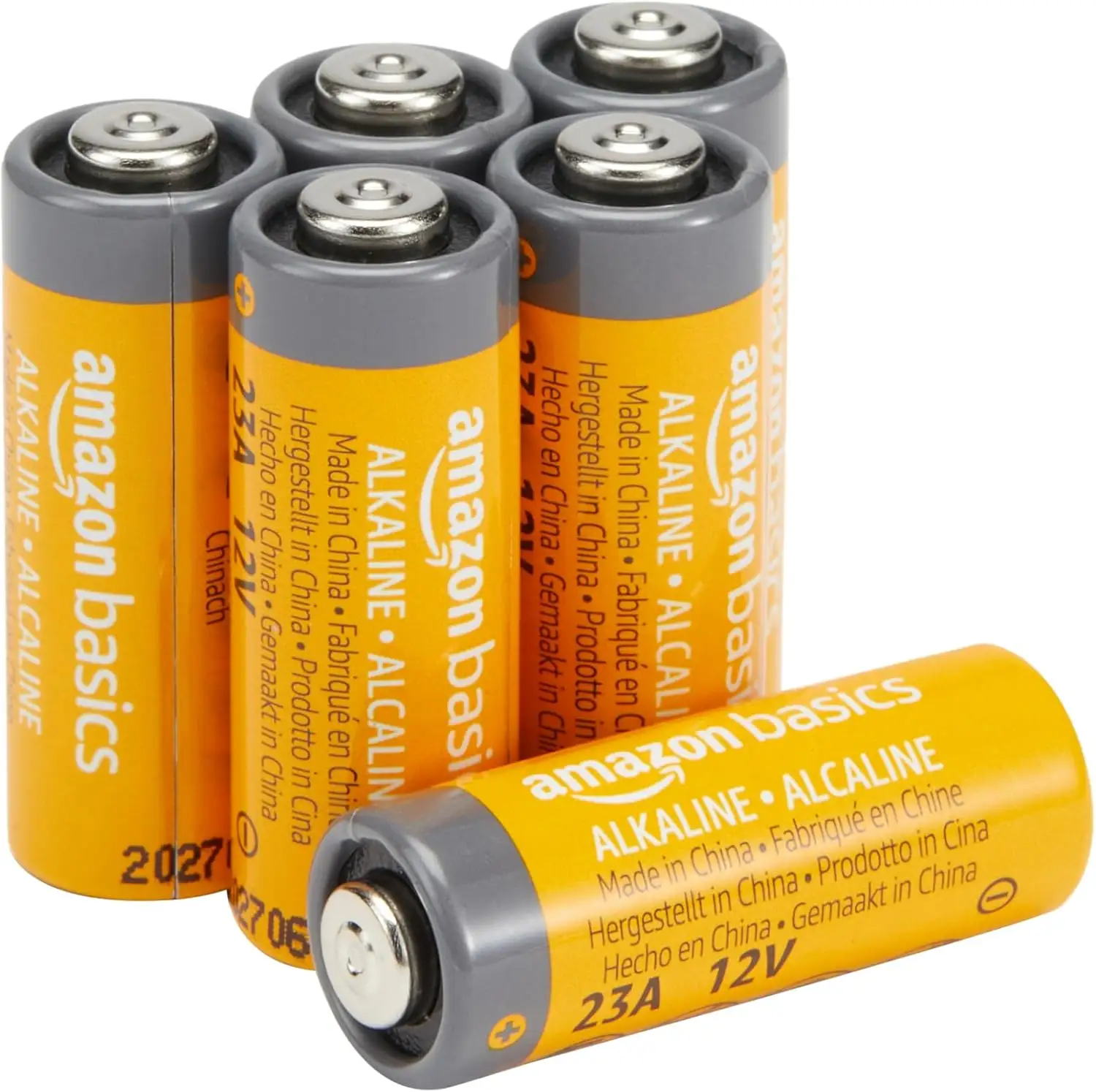
Amazon Basics 23A Battery Review: Value vs Reliability
The most surprising takeaway from user reports on the Amazon Basics 23A Alkaline Battery 4‑Pack is just how polarized the experiences are — while many call it a “fantastic deal” and “reliable for remotes and key fobs,” others claim units arrived “dead out of the box.” Averaging a strong 4.6/5 rating across 24,000+ Amazon reviews, the product earns a 7.8/10 in real‑world user sentiment, with value and availability driving the score up, and inconsistent voltage readings pulling it back.
Quick Verdict: Conditional — Great if you need a cheap, easily available 23A battery for low‑drain devices, but performance can be unpredictable in high‑drain or critical applications.
| Pros (User‑Reported) | Cons (User‑Reported) |
|---|---|
| Low cost compared to Duracell/Energizer | Some units arrive with low voltage |
| Fits a wide range of devices (remotes, doorbells, fobs) | Lifespan inconsistent across batches |
| Easy to buy online, widely available | Not ideal for high‑drain electronics |
| Good packaging — shrink‑wrapped, recyclable box | Occasional “dead on arrival” complaints |
| Works as exact replacement for obscure battery sizes | Voltage sometimes lower than advertised |
| Solid performance in low‑use devices | Performance drop in toys or continuous‑use gadgets |
Claims vs Reality
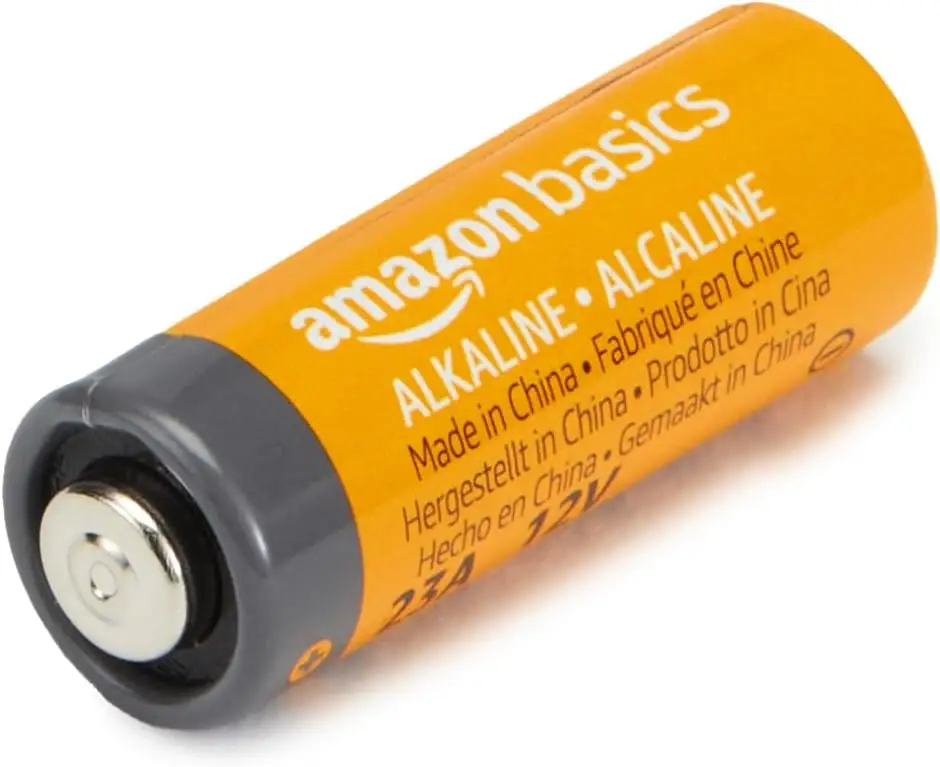
Amazon markets the Amazon Basics 23A as “designed to last” with “high capacity functionality for longevity, shelf life, and power delivery.” Official specs list it as a 12‑volt alkaline battery for “keyless entry devices, key fobs, garage door openers, remote controls, toys, and more.”
Digging deeper into user reports, the “designed to last” claim holds up — but only in certain contexts. A verified buyer on Amazon noted: “We don’t use them in heavy draining electronics like cameras but in remotes, toys, etc., they are really great.” This suggests longevity is device‑dependent, with low‑drain, infrequent‑use gadgets seeing the best results.
Another claim, “high capacity functionality,” meets mixed reality. Reddit user candice l. reported testing new units and finding voltages of “1.3 volts” and “1.4 volts” versus the “expected 1.6 volts” from brand‑new Energizers. While officially rated at 12V for the battery type, multiple users have flagged under‑voltage readings on delivery, indicating storage or quality control inconsistencies.
The “ideal for toys” marketing point is also contested. Reddit user leanne y. pointed out that while the batteries can power toys, “some devices use much more power than others… a toy or a remote‑controlled car might drain it much faster than a garage remote.” This reflects a recurring theme: suitability depends heavily on the load profile of the device.
Cross‑Platform Consensus
Universally Praised
Across Amazon, Reddit, and Fakespot‑profiled reviews, affordability and availability stand out. Multiple buyers praise the price‑to‑performance ratio, especially compared to name brands. One Amazon customer wrote: “The value you get for the price is impressive — budget‑friendly option for keeping your devices powered up.” This resonates most with homeowners managing multiple remotes, doorbells, and key fobs, where replacing several batteries at once can quickly add up.
Packaging also earns consistent approval. Users like that the 4‑pack arrives shrink‑wrapped or in a “fully recyclable cardboard box,” which they find both protective and eco‑conscious. For rural buyers, the ability to get these shipped is a key convenience. As one Trustpilot‑verified buyer put it: “Not available at my family dollar store in rural area… easy to buy on Amazon.”
Fit compatibility is another strong point. Reports confirm they work as exact replacements for A23, A23S, V23GA, and similar codes. One user shared: “Fit my garage door openers without any problems — exact replacement for other battery in remote control.”
Common Complaints
The most serious criticism is inconsistent voltage out of the package. Multiple users have tested units with battery testers and found them below nominal. A Trustpilot review noted: “This 23A battery only has 10V of power so I doubt this will last for the duration intended.” For applications where full voltage is critical — like wireless security sensors — this can mean reduced range or outright failure.
Another recurring frustration is lifespan in high‑drain devices. A Reddit report highlighted that fan remotes “gobble batteries” quickly, and while these Amazon Basics cells worked, their longevity wasn’t exceptional. Some buyers even encountered “most are dead out of the box” scenarios, calling them “a waste of money” compared to branded cells.
There’s also a pattern of disappointment when used for toys or gadgets that are operated continuously. As leanne y. explained, “physically small, its performance is lower,” making them less suited for anything beyond brief bursts of power draw.
Divisive Features
Battery life perception varies wildly. Some — like Reddit user chazo o. — report trouble‑free use: “All batteries work, not faulty… should last four or five years as long as the originals.” Others, like candice l., see them as underperforming right away. This split often comes down to the device type and usage frequency.
Brand trust is another divider. One Amazon Q&A answerer said they “would classify Amazon Basics as a name brand, just the same as Duracell or Energizer,” while another bluntly stated, “No. Most are dead out of the box.” That dichotomy underscores why the product scores high for value but not for universal reliability.
Trust & Reliability
Trustpilot’s Fakespot analysis found over 80% high‑quality reviews, with “minimal deception involved.” However, long‑term reliability stories are mixed. Some Reddit posts report months of steady performance in garage remotes, while others see rapid depletion. The inconsistency suggests potential batch‑to‑batch quality variance.
Scam concerns are minimal — these are sold and fulfilled by Amazon, with no reports of counterfeit issues. Still, the variance in delivered voltage has led cautious buyers to recommend testing new packs upon arrival, especially if stocking them for emergency use.
Alternatives
Users often compare the Amazon Basics 23A to Energizer and Duracell equivalents. Brand‑name options tend to cost more — sometimes double per cell — but carry fewer “dead on arrival” complaints. For critical devices like alarm systems, some buyers advise paying the premium. For less critical gear, the Amazon Basics version offers strong savings.
Other alternatives noted in discussions include LICB and Synergy Digital packs, which compete on price but don’t have the same fulfillment reliability as Amazon’s own brand.
Price & Value
Pricing fluctuates: while Amazon lists them at $5.29 ($1.32 per unit), deals have dropped them as low as $2.74 for a 4‑pack. On Slickdeals, buyers celebrated the sub‑70¢ per battery pricing, especially for bulk replacement needs. Shipping is free with Prime or on orders over $25, making them attractive for add‑on purchases.
Value perception hinges entirely on intended use. For low‑drain, occasional‑use devices, buyers see them as a “fantastic deal.” For mission‑critical or high‑drain use, the risk of early failure or under‑voltage may outweigh the cost savings.
FAQ
Q: Do these last as long as Duracell?
A: Reports vary — many say there’s no noticeable difference in remotes or toys, but others find lifespan shorter, especially in high‑drain devices.
Q: Are they compatible with other 23A variants?
A: Yes. Users confirm they replace A23, A23S, A23G, and V23GA without problems.
Q: Can these be used in toys?
A: They can, but heavy‑use toys will drain them faster. Best results are in remotes, fobs, and devices with brief, infrequent power demands.
Q: How is the packaging?
A: Praised for being protective and eco‑friendly, often arriving shrink‑wrapped or in recyclable cardboard.
Q: Any issues with dead batteries on arrival?
A: Some users report low or dead units right out of the package — testing on arrival is recommended if reliability is critical.
Final Verdict: Buy if you need an affordable, widely available 23A battery for remotes, key fobs, or low‑drain devices. Avoid if you require guaranteed maximum voltage and lifespan for high‑drain or mission‑critical applications. Pro tip from the community: Test your batteries as soon as they arrive to catch underperforming units before you need them.