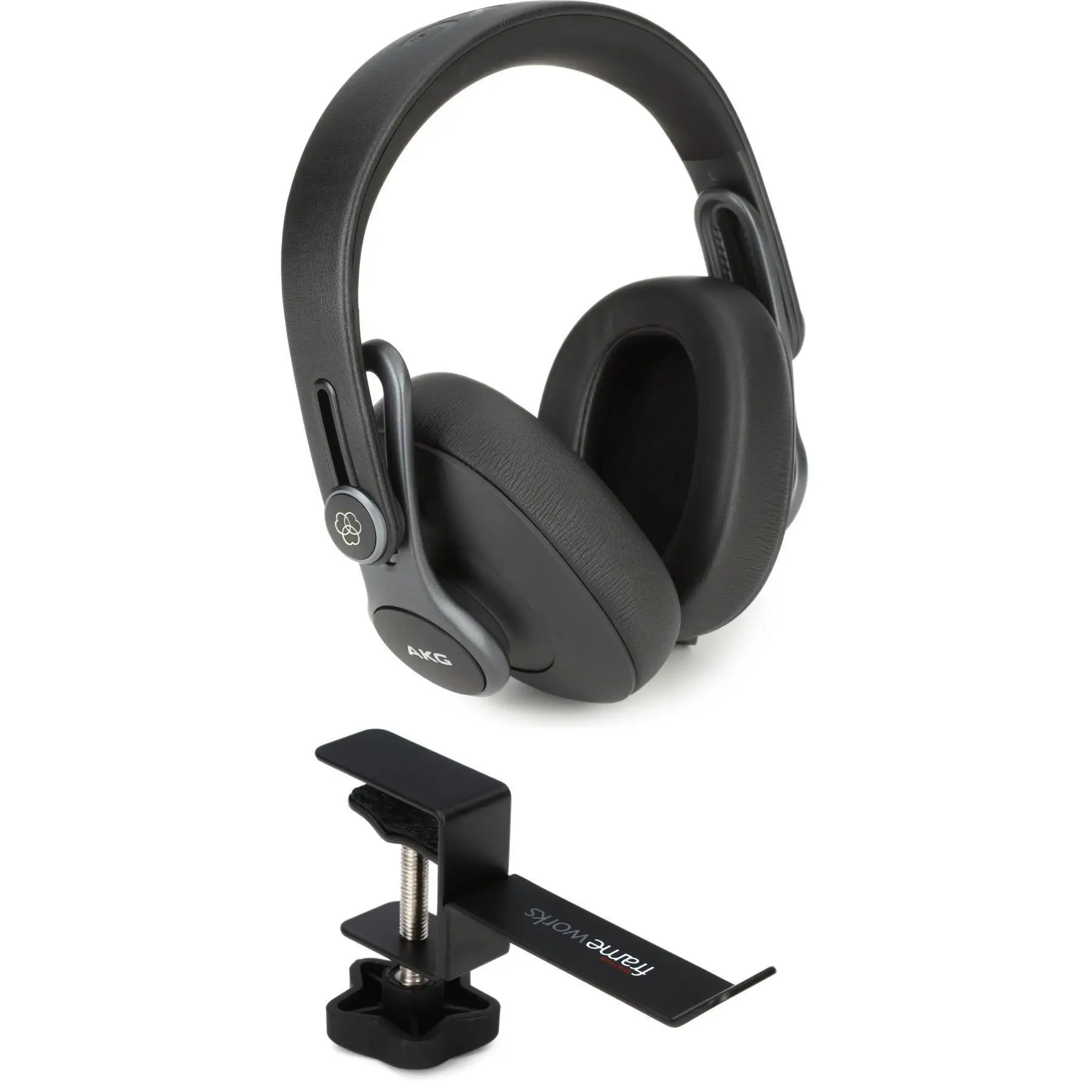
AKG K371 Review: Comfort vs Durability Verdict
Few studio headphones polarize user opinion like the AKG K371 Professional Studio Headphones — praised for their “balanced sound and comfort that makes you forget you’re wearing them” but called out for “flimsy build” and “picky fit that kills bass with glasses.” Across hundreds of buyer accounts, they pull a solid 8/10 for sound quality, but slip to 6.5/10 when durability and ergonomics enter the equation.
Quick Verdict: Conditional — highly recommended for mobile creators and casual listening, but caution for critical mixing or heavy travel abuse.
| Pros | Cons |
|---|---|
| Balanced Harman-inspired tuning; non-fatiguing highs | Pad depth causes ear contact with drivers for some users |
| Strong bass extension without boominess | Bass seal easily lost with glasses or hair |
| Lightweight (255g) and foldable for portability | Proprietary mini‑XLR cable prone to wear issues |
| Excellent comfort for long sessions | Early batches reported headband and hinge failures |
| Detachable cable options included (short, long, coiled) | Faux leather peeling on pads in <1 year reported |
| Superior isolation for noisy environments | Sound signature too colored for some critical mixing |
| Good value under $160 | Bluetooth version less favored for sound quality |
Claims vs Reality
AKG’s marketing leans heavily on “reference response tuning” and “accurate, neutral sound.” While the Harman target curve heritage is real, users split on whether these actually deliver a neutral profile. On Reddit, one owner enthused: “Amazing tuning… highs are soft, lows have decent weight, exactly what I wanted in a closed back.” But a United States verified buyer countered: “The bass is elevated yet lacking punch, mids recessed, upper-mids dipped… terrible for mixing.”
The brand touts “built to last with metal‑reinforced components.” Yet multiple Sweetwater reviewers reported mechanical failures: “Headband snapped after three months,” “Proprietary cable connection seized, can’t swap cables.” These durability complaints appear mainly in early release batches, though others note “they feel sturdy… better built than I expected” when handled gently.
Isolation claims also have a caveat. Marketing says “superior isolation,” but live tracking engineers note bleed risk: “You’ll have to be careful of click bleed with vocalists… I wouldn’t recommend for tracking drums.”
Cross-Platform Consensus
Universally Praised
Balanced tonality with extended bass response dominates praise. Reddit user u/raistlin65 called them “very good at resolving detail, vocals sound great… easy to drive with a phone.” Musicians mixing bass-heavy genres like EDM or metal appreciate clarity on low strings. A Sweetwater customer described tracking with 7‑string guitars: “Getting clarity in low frequencies can be challenging — these contribute well to that process.”
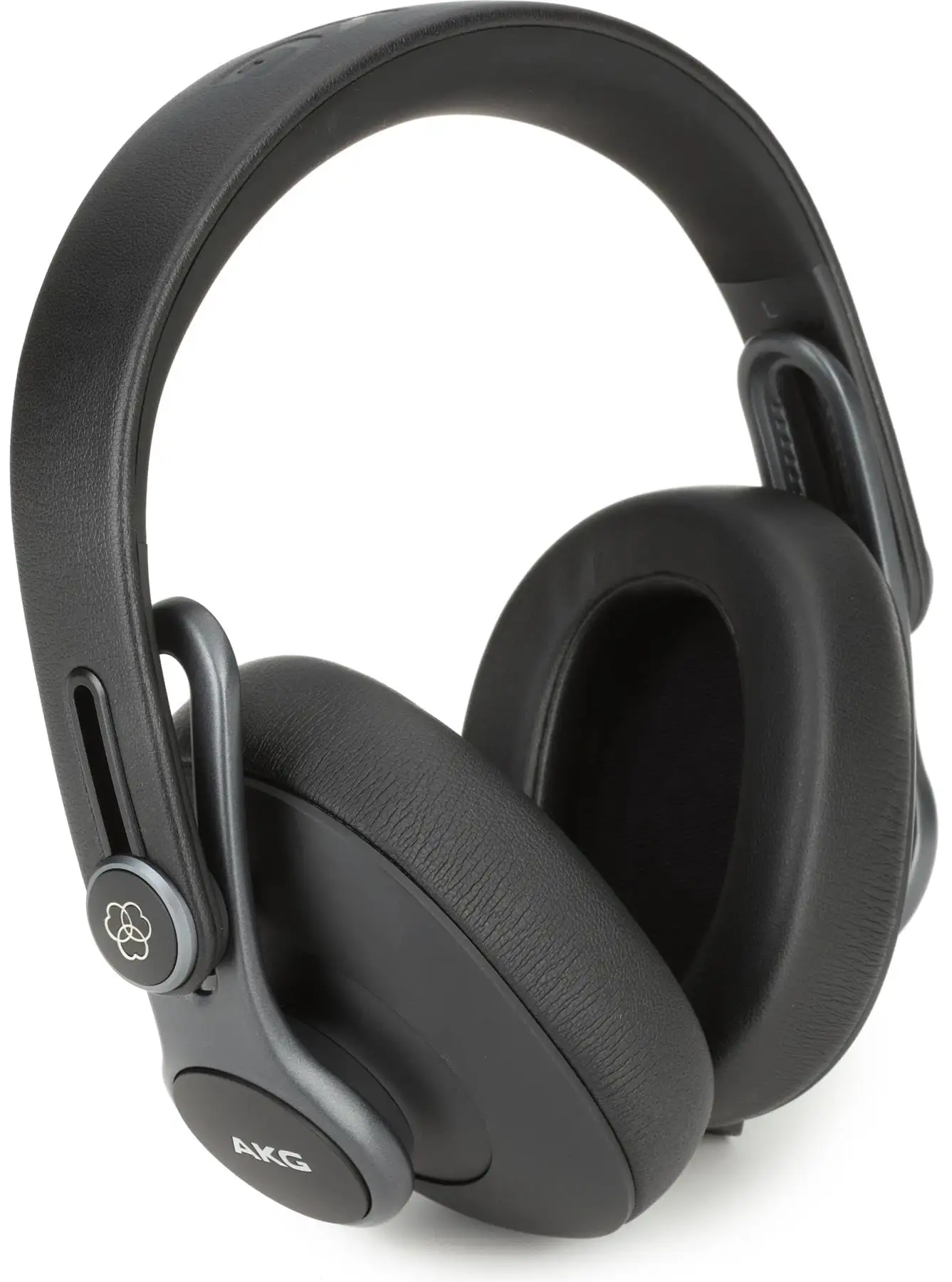
Comfort is a standout for many. Streamers report wearing them 12–14 hours: “They are comfortable enough to not need to take them off like my Corsair headphones did.” The lightweight build (8.9 oz) and plush pads reduce fatigue in long editing or gaming marathons.
Portability features — foldable cups, swiveling earpieces — suit mobile creators. A Reddit user summed it up: “Compact, look nice… my favorite closed backs for portable use.”
Common Complaints
Fit sensitivity is a recurring frustration. Bass drops markedly with imperfect seal — glasses wearers especially. “Even thin frames noticeably dull the bass,” one Reddit post warns. Shallow pads cause ear contact with drivers; swapping to aftermarket (Brainwavz, Dekoni) is a frequent fix.
Durability worries range from peeling faux leather to component failures. “Faux leather peeling off within a year… headband padding glued on came loose,” notes a Sweetwater reviewer. Proprietary mini‑XLR cables are disliked — “Every time I turn my head the connector hits my shoulder… unnecessary design choice.”
Sound signature divisiveness emerges with critical work. Some engineers find mids too scooped and upper mids lacking, masking mix issues. “Probably decent for bass-heavy music… but for professional work, stay away,” warns a verified buyer who compares unfavorably with Beyerdynamic DT 770s.
Divisive Features
The lush low-end and relaxed highs charm casual listeners but raise red flags for mixing purists. A Sweetwater review calls them “full, rich, warm… still accurate enough for any kind of music,” while another insists they’re “too colored for neutral tracking.”
Bluetooth K371-BT attracts convenience-focused buyers but not audio purists; one electronic producer says, “Would not recommend the BT version as they sound not as good… the only reason I bought them [wired] was sound quality.”
Trust & Reliability
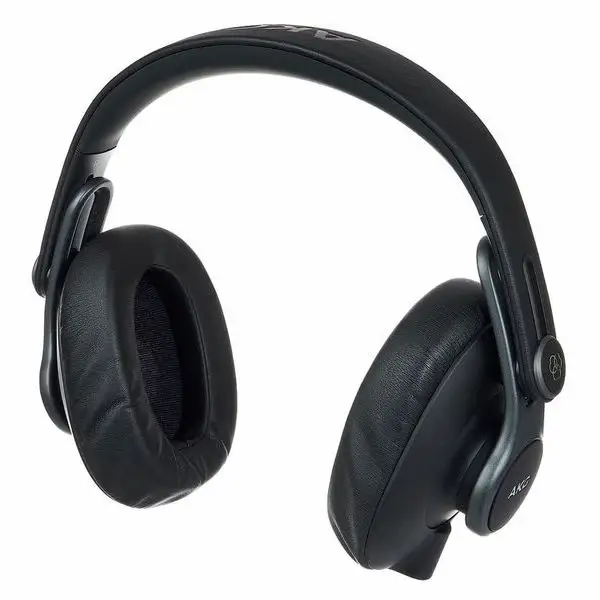
Trustpilot-style reports from Sweetwater and community threads show early K371 units had frequent hinge and headband breakages. Reddit discussions suggest AKG quietly improved later batches, but no official revision announcement exists. Long-term owners split between “still going strong after two years” and “fell apart after gentle use.”
Warranty support earns mixed marks — standard 1-year coverage trails competitors. Buyers recommend extended protection if used professionally. A Frieve review flags “significant build quality issues… loose hinges, premature mechanical failures… ear pad degradation.”
Alternatives
Several comparable closed-backs emerge in user talk:
- AKG K361: Cheaper sibling (~$95), similar drivers with reportedly more neutral mids. Frieve data claims equivalent performance; “budget-conscious users should consider K361.”
- Beyerdynamic DT 770 Pro: Favored by mixing engineers for brighter, punchier highs. Less neutral bass than K371 but tank-like build.
- Audio-Technica ATH-M50x: Popular V‑shaped tuning; more “fun” but less accurate. Comfort polarizes; many switch to K371 for long sessions.
- Sennheiser HD 280 Pro (closed) & HD 600/660S (open): HD 280 replaced by some Sweetwater buyers with K371 for better bass accuracy; open models remain superior for imaging.
One Reddit user notes, “…at $155 bucks, you won’t get a better closed back until $500,” positioning K371 as a high value bridge headphone.
Price & Value
Market pricing hovers $139–$160 for new units, with eBay B‑stock as low as $89.99. Resale retention appears strong among audio hobbyists due to demand for Harman‑tuned closed backs.
Community buying tips:
- Seek later production runs to reduce failure risk.
- Budget for aftermarket pads if using glasses or seeking comfort upgrades.
- Wired version retains the sonic signature valued by owners; Bluetooth sacrifices some fidelity.
FAQ
Q: Are the AKG K371 good for mixing and mastering?
A: Opinions split — casual mixing for genres like EDM or hip hop fares well, but several engineers find them too colored to trust for critical mix decisions.
Q: Do they work well for gaming?
A: Yes; they offer clear positional cues, though soundstage is narrower than open-backs. Good for noise isolation in shared spaces.
Q: How do they fit for big ears?
A: Mixed — some large-eared users find pads too shallow, causing driver contact; others praise roomy cups. Aftermarket pads can solve fit issues.
Q: Can they be powered directly from a phone?
A: Yes. Their 32-ohm impedance and high sensitivity mean they reach full volume without an external amp.
Q: Are they durable for travel?
A: Foldable design aids portability, but multiple reports of hinge and headband failures suggest cautious packing and transport.
Final Verdict: Buy if you’re a content creator, mobile musician, or listener who values Harman‑style tuning and comfort in a compact closed-back. Avoid if you need bulletproof build or truly neutral response for professional mixing without EQ. Pro tip from Reddit: invest in angled aftermarket pads — “seal reliably with glasses, more comfort, slight stage increase — tuning stays perfect.”