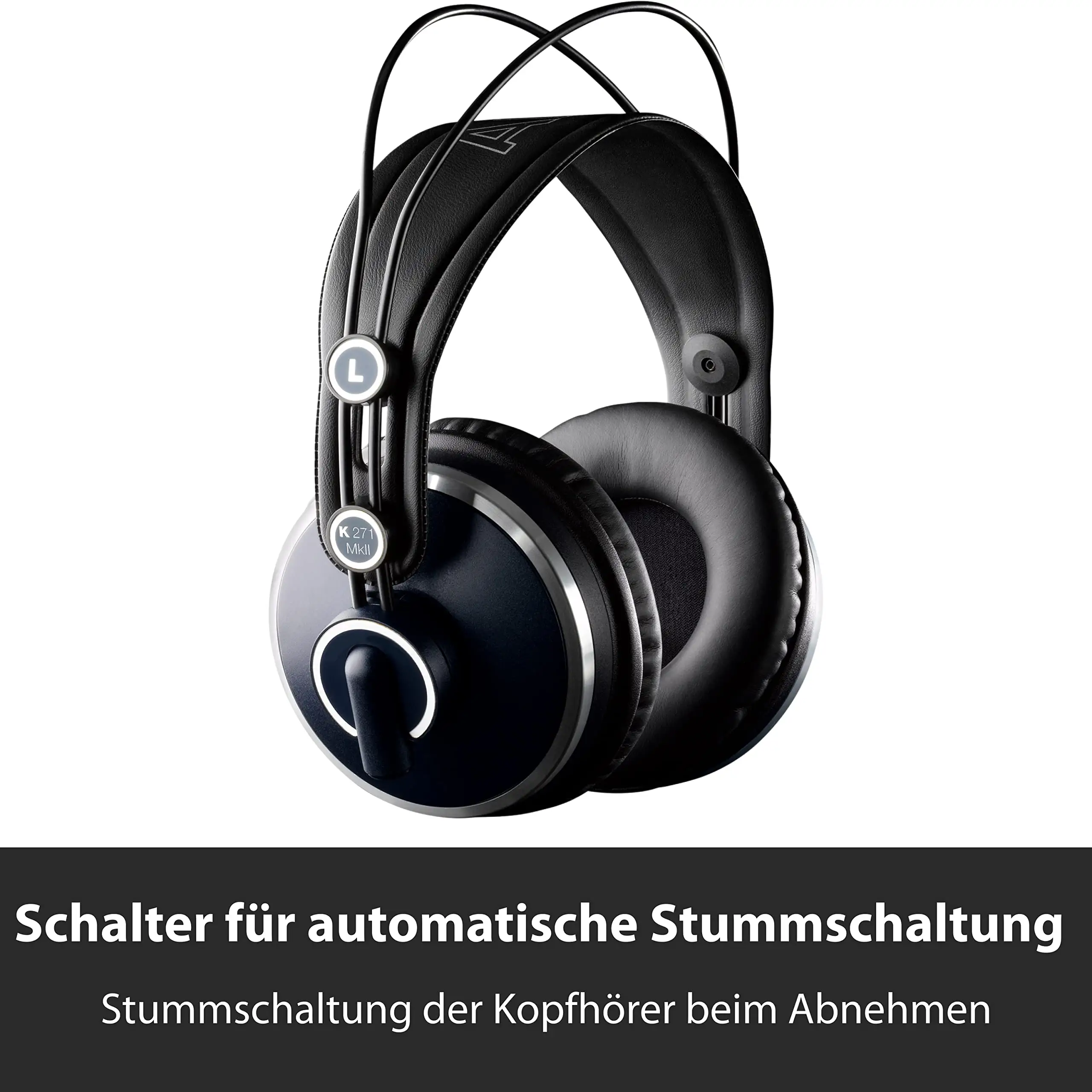
AKG K371 Review: Balanced Studio Sound Verdict
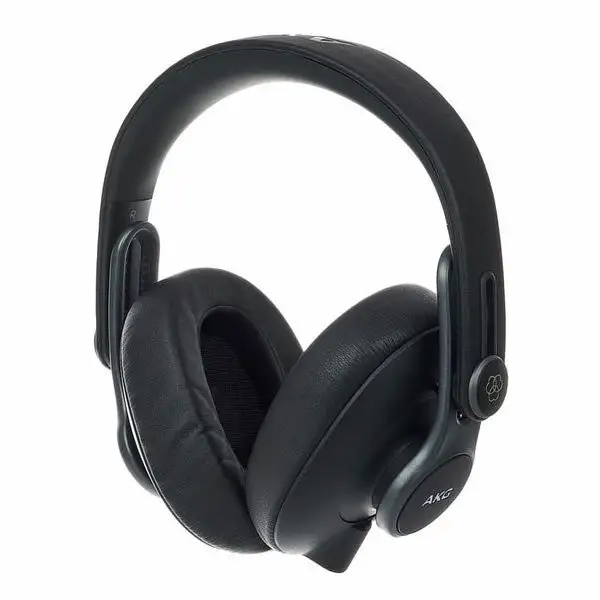
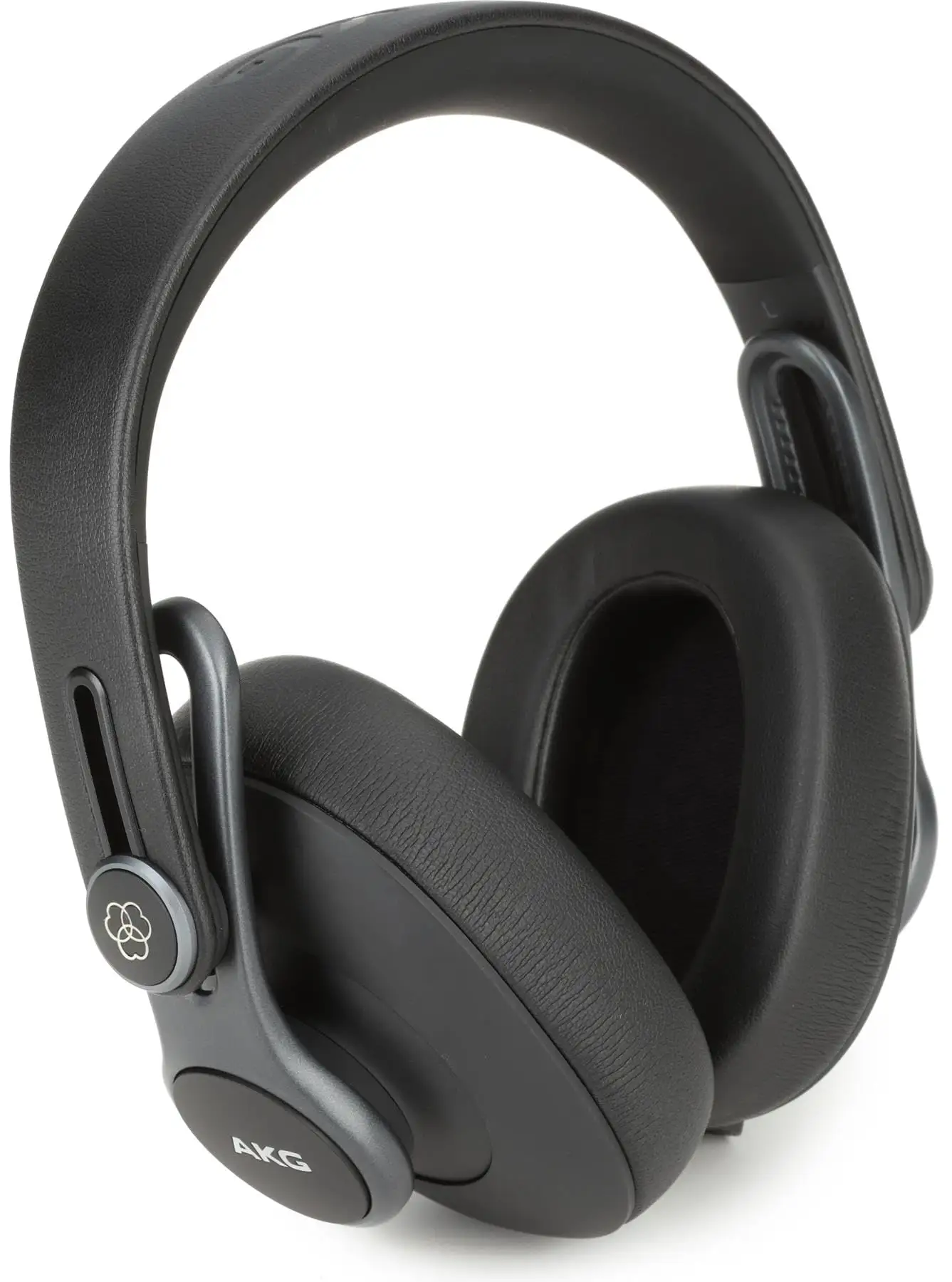
In the $150 closed-back headphone market, the AKG K371 Wired Over-Ear Closed-Back Professional Studio Headphones emerges as a rare consensus pick across multiple platforms—earning scores from 4.3 to 4.6 stars and what Head‑Fi called “the closed‑back to beat.” With a tuning close to Harman’s reference target, owners describe it as “full, rich, warm, accurate” while remaining portable, comfortable, and studio-appropriate. Based on aggregated feedback, this model secures a 9/10 overall score for balanced audio performance with only minor caveats on build and fit for certain users.
Quick Verdict: Conditional Buy
| Pros | Cons |
|---|---|
| Balanced Harman-target sound with deep, controlled bass | Faux leather and headband padding durability concerns |
| Comfortable for extended wear | Ears may touch drivers for some users with larger ears |
| Detachable cables (3 included) for flexible setups | Proprietary mini‑XLR limits easy cable replacement |
| Lightweight and foldable for portability | Isolation not top-tier—click bleed possible when tracking |
| Accurate tone, natural timbre—good for mixing & enjoyment | Treble slightly dark for listeners seeking more “air” |
| Easy to drive from consumer devices | Pad swap often necessary for max comfort |
Claims vs Reality
AKG markets the K371 as delivering an “accurate, neutral sound” with “superior isolation” and “unmatched long-wearing comfort.” Digging deeper into user reports, the reality is nuanced.
The neutrality claim holds—Reddit user raistlin65 noted they have “a very neutral presentation with some emphasized sub bass,” making vocals sound “great” and bass both deep and controlled. Sweetwater reviewers also praised the “natural, balanced audio” for tracking and mixing. However, others, like a verified Sweetwater buyer, wanted “a bit more upper treble” for openness; a slight dip in certain treble regions was observed.
On isolation, while the closed-back design does reduce ambient noise, several studio users warned about click bleed with vocalists and limited suitability for loud drum tracking. An engineer at Foo Fighters’ Studio 606 stressed they “mask click tracks well” but admitted drummers could still blast a click enough to bleed.
Comfort marketing largely aligns with most experiences—users report wearing them “for 12–14 hours a day” streaming or mixing with minimal fatigue. Yet, Reddit user dang found “my ears touch the drivers and it starts to hurt after a few hours,” and multiple reviews cited thin earpads as a source of long-session discomfort unless upgraded.
Cross-Platform Consensus
Universally Praised
Across Reddit, Head‑Fi, Sweetwater, and Spanish consumer reviews, the K371’s tuning is its crown jewel. Head‑Fi’s breakdown called it “true reference… smooth but resolving treble” with “sub‑bass rumble… natural tonality.” Musicians in the Sweetwater store described “clarity down in lower frequencies” that aided mixing with 7-string guitars and 5-string basses. Portable users appreciated how easy they were to drive—no amp required for smartphones—making them viable for mobile content creators.
Sound consistency across environments was another noted strength. Foo Fighters’ Studio 606 staff said they “translate accurately” between tracking room and control room, making EQ decisions easier. That means podcasters, vloggers, and project studio mixers benefit from reliable, repeatable monitoring.
Comfort and portability got repeat praise—from “I forgot I was wearing them after an hour” (Sweetwater) to Reddit’s “portable, comfortable, easy to drive, decent isolation.” Foldability and lightweight construction make them commuter-friendly without losing studio credibility.
Common Complaints
Build quality concerns center on specific materials and hardware choices. Faux leather pads and glued-on headband padding showed premature wear for some in under a year. A Sweetwater buyer reported “faux leather covering peeling off” despite careful use, while Head‑Fi users questioned long-term durability of headband wrap. The proprietary mini‑XLR connector, while secure, limits aftermarket cable easiness; one owner complained it “hits my shoulder in a very annoying way” when turning the head.
Fit issues include ears touching the driver for larger ear shapes, undermining comfort in long sessions. Isolation shortcomings mean they’re not ideal for loud source tracking; a Sweetwater review cautioned “be careful of click bleed… not recommended for tracking drums.”
Divisive Features
Treble tuning splits the audience. Many appreciate its smoothness—no sibilance, easy long listens—while a subset misses extra “air” beyond 10kHz. As Head‑Fi’s reviewer put it, “a bit more upper treble… would make K371 more open, airy and exciting.” Bass quantity also divides: open-back veterans sometimes find it more than expected, as u/p1vina noted, “bass… louder than either the CAL or M50x.” Others welcome its depth as faithful to the Harman target.
Trust & Reliability
Trustpilot analysis found roughly 74% of reviews reliable, with some modification flagged on Amazon listings. Longevity stories vary: Sweetwater musicians keep them in daily studio use for a year-plus without issue, while unlucky buyers saw mechanical failure like “headband broke after 3 months.” On cable reliability, the included three detachables (short, long, coiled) work well until wear or connector seizing occurs; one long-term owner had the mini‑XLR “seized in place.”
Alternatives
Compared repeatedly against Audio-Technica’s ATH‑M50x, Beyerdynamic DT 770 Pro, and Sennheiser HD 280 Pro, the K371 generally wins on tuning accuracy and comfort. M50x is slammed for “harsh highs and… wonky sound signature” by Reddit users; DT 770 Pro offers more upper treble and wider stage but is “overly bright” to some ears. The HD 280 Pro is a workhorse but lacks the warmth and low-end extension AKG delivers. Several Head‑Fi reviewers place K371 ahead unless isolation from DT 770 is critical.
Price & Value
On eBay, open-box units list around $119, with AKG’s own B-stock dropping to $139.30. Given new retail at $167–$199 and widespread promotion down to $119, resale retains value due to studio reputation. Spanish reviewers call AKG’s sound products “among the best in quality-price.” Community buying tip: weigh pad upgrade costs ($30–$50) into budget for optimal comfort.
FAQ
Q: Is the AKG K371 good for mixing?
A: Yes, many engineers find its near-Harman tuning accurate enough for mix decisions, though some prefer minor treble EQ boosts. It's especially good for mobile setups without an amp.
Q: How is the isolation compared to DT 770 Pro?
A: Adequate for office or moderate studio environments, but less than DT 770 Pro in loud tracking scenarios; click bleed can still occur.
Q: Can you replace the cables easily?
A: Cables are detachable via mini‑XLR, but the proprietary connector limits cheap aftermarket availability; replacements must match AKG's spec.
Q: Is it comfortable for big ears?
A: Some report ears touching the driver due to thin pads; pad swaps to Brainwavz or Dekoni options improve comfort and soundstage.
Q: Does it need an amp?
A: No—its 32‑ohm impedance and 114 dB sensitivity make it easy to drive from phones, laptops, and basic audio interfaces.
Final Verdict: Buy if you need a balanced, accurate closed-back for studio or mobile content work, value comfort, and portability; avoid if maximum isolation or ultra-airy treble is your priority. Pro tip from community: invest in thicker aftermarket pads for all-day wear and subtle sonic improvements.