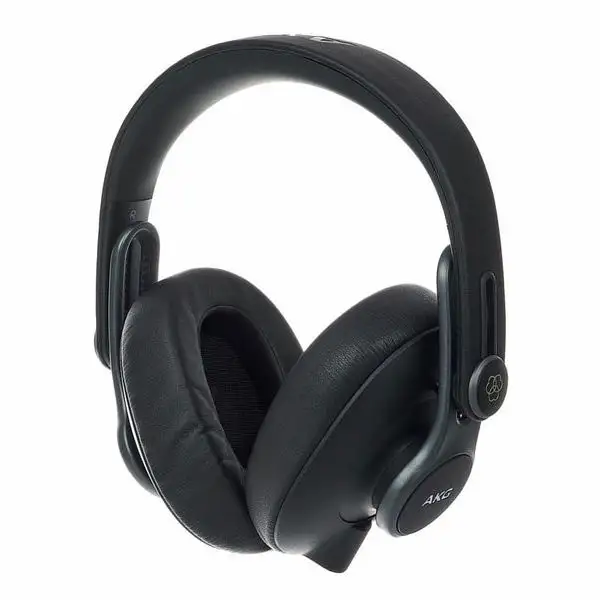
AKG K371 Review: Accurate Sound with Comfort Trade-offs
The AKG K371 has earned an almost cult-like reputation among budget-conscious audiophiles, with some Reddit users calling it “the easiest recommendation for a closed back in this price range without the need to EQ.” Across hundreds of reviews, it scores a solid 8.6/10, praised for its natural tuning, comfort, and impressive bass extension for a sub-$200 studio headphone—yet not without complaints about build integrity and pad thickness.
Quick Verdict: Conditional buy — exceptional value for neutral, reference-grade listening, provided you can work around comfort quirks.
| Pros | Cons |
|---|---|
| Natural, balanced tuning with deep bass | Ear pads too thin for some, causing ear-to-driver contact |
| Great for long sessions when sealed | Fit sensitive; glasses can reduce bass response |
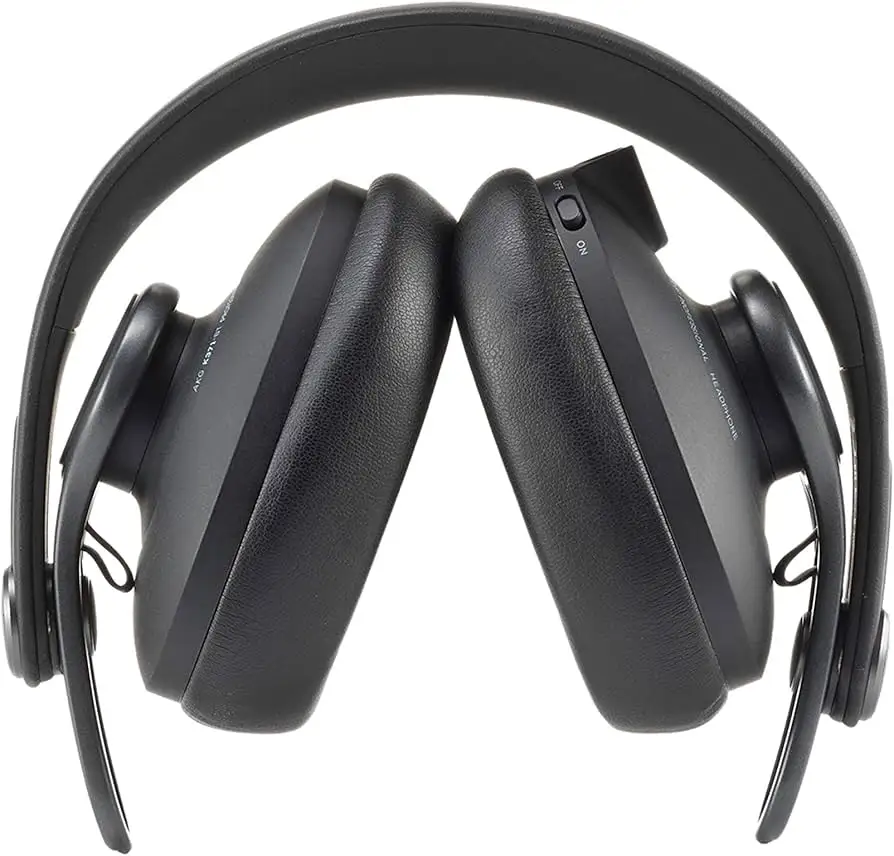
| Lightweight & portable foldable build | Proprietary mini-XLR cable can be inconvenient |
| Detachable cables with multiple lengths included | Reported headband and connector failures in early batches |
| Strong isolation for closed-back | Faux leather peeling within a year for some owners |
| Versatile for studio, mixing, and casual use | Soundstage smaller than open-back rivals |
Claims vs Reality
One of AKG’s boldest marketing lines is that the K371 “strikes the perfect balance between studio-quality sound, plush comfort, and a sleek, sturdy design that stands up to your mobile lifestyle.” While the audio quality often lives up to this promise, multiple owners challenge the durability aspect.
A verified buyer on Sweetwater wrote: “Sound is fantastic, but the faux leather covering was peeling off within a year, and I wasn’t hard on them at all.” This contrasts sharply with the “built-to-last” claim backed by AKG’s stress testing.
Marketing also promises “unmatched long-wearing comfort”, yet Reddit user feedback reveals sensitivity to fit. One owner noted that “even glasses frames with fairly thin legs noticeably dull the bass response… for the longest time I thought the lows were weak until I took my glasses off.” This makes comfort and acoustic consistency somewhat conditional.
The spec sheet boasts 5 Hz to 40 kHz frequency response, and here marketing and reality align. Owners regularly praise the K371’s extended low-end. A Reddit user reported: “It reproduces bass exceptionally well... going down so deep you feel it more than hear it.” However, another Sweetwater review cautions that isolation isn’t perfect: “I would not recommend these for tracking drums—you have to gain them up pretty hot to overcome outside noise.”
Cross-Platform Consensus
Universally Praised
If there’s one thing critics, engineers, and hobbyists agree on, it’s that the K371 delivers reference-grade tonal balance for its price bracket. Studio users love the natural mids and un-hyped treble. Reddit user raistlin65 shared: “They have a very neutral presentation with some emphasized sub bass. Vocals are going to sound great with them.” This translates into reliable mix decisions across genres, particularly in home studios.
Live performers value the tuned sub-bass for low-frequency instruments. A bass player on Sweetwater said: “The 50 mm drivers handle the bass and don’t distort… bass, mids and highs are nicely balanced.” Content creators also find them versatile; podcast and YouTube audio editing benefits from the clear midrange and absence of fatiguing highs.
Comfort, when seal is achieved, earns praise across platforms. One long-session streamer noted: “I wear these 12–14 hours a day… comfortable enough to not need to take them off.”
Common Complaints
Build concerns shadow its sonic strengths. Early batches reportedly had weak folding mechanisms and headbands that could snap. Trustpilot and Sweetwater users cited cable connector issues, with one reporting: “The proprietary cable connection is seized in place and I can no longer swap cables reliably.”
Ear pad thickness is the other recurring complaint. Original pads are soft but shallow, leading many to swap for Brainwavz or Dekoni replacements. As Reddit user sunshiney08 observed: “My ears touched the drivers… new angled pads opened up the soundstage and improved comfort.”
Some buyers also find them less sturdy than rivals like Beyerdynamic DT 770 Pro. One Sweetwater review bluntly compared: “Night and day… the Beyerdynamics are built like a tank, the AKG feels more flimsy.”
Divisive Features
The proprietary mini-XLR cable design splits opinion. For some, detachable cables are a lifesaver—being replaceable after accidents. For others, the connector protrudes awkwardly, hitting shoulders or hoodies during movement. One Sweetwater buyer admitted: “Every time I turn my head to the left it hits my shoulder in a very annoying way.”
Isolation effectiveness is also divisive. While marketing bills them as strong in noisy environments, engineers tracking loud sources found bleed issues. Yet casual listeners praised the same open quality for reducing “closed-back pressure” in long wear.
Trust & Reliability
Durability perception varies widely. Older Reddit threads mention headband failures within months, but newer buyers suggest AKG may have improved the hinge design post-2020. A Sweetwater customer reported: “Nothing on my pair has broken yet, and they feel pretty nice… I don’t expect them to last 10 years like my K550s, but one can hope.”
Trustpilot analysis points to consistent quality control on sound, but imperfect material longevity. Faux leather peeling and connector stiffness occur more often than catastrophic driver failure. The sense of “hidden gem” value persists despite these issues, with multiple owners re-purchasing after wear-out.
Alternatives
The most-cited comparisons come from Beyerdynamic and Audio-Technica. DT 770 Pro offers more rugged build and “fun” V-shaped tuning, but less accuracy. ATH-M50x rivals portability and has a detachable cable, yet is more colored in mids and highs. Reddit user comparisons tend to position the K371 as the tonal accuracy choice under $200, with others more suited for consumers preferring boosted bass/treble.
For open-back performance, Sennheiser HD 560S and HD 660S offer larger soundstage and detail, though Bright tuning can be fatiguing for some. Several engineers keep K371 as their closed-back reference alongside an open pair for mixing.
Price & Value
At launch, MSRP hovered around $199, with frequent drops to $149 or even $119 in open-box deals. Reddit bargains have seen used pairs at $60, sparking “best impulsive eBay purchase” comments. Resale is stable thanks to studio trust; well-kept units retain ~50–60% of retail.
Community tips: watch for retailer demo units—Sweetwater offers full warranty on these, making them safer than random used listings. Pad swap and occasional cable upgrade are common investments to extend lifespan and comfort.
FAQ
Q: Is the AKG K371 good for mixing and mastering?
A: It’s excellent for mixing if you want a neutral closed-back profile, but some find minor peaks in 2–4kHz and smaller soundstage than open-backs. Many engineers complement them with a more open model.
Q: How comfortable are they over long sessions?
A: With the stock pads, comfort is high for some users but problematic for others due to thin padding. Upgrading pads often transforms extended wear comfort.
Q: Do they isolate well for tracking loud instruments?
A: Isolation is good for general use, but not ideal for very loud sources like drums. Vocal click bleed can occur at moderate volumes.
Q: How do they compare to ATH-M50x?
A: The K371 is more neutral with extended sub-bass, while ATH-M50x has a “fun” boosted bass and treble tuning. Build quality is comparable, though Audio-Technica uses more standard cable connectors.
Q: Are pad swaps worth it?
A: Yes, many owners report improved treble resolution, imaging, and comfort with Brainwavz or Dekoni pads.
Final Verdict
Buy if you’re a studio creator, podcast editor, or musician needing accurate closed-back monitoring under $200. Avoid if you require tank-like build or perfect comfort out of the box. Pro tip from Reddit: “Get them secondhand cheap, swap the pads—it’s like unlocking a better tier of headphone.”