AKG K371 Review: Neutral Sound with Comfort Caveats
From the moment they were released, the AKG K371 Wired Over‑Ear Closed‑Back Foldable Professional Headphones quickly carved a niche among studio monitors under $200. Across Reddit, Sweetwater, and Amazon, one phrase kept resurfacing: “the best closed‑back under $500.” That’s a bold claim, but deep analysis of hundreds of real‑world reports suggests a solid 8.5/10 verdict for accuracy, comfort, and versatility—tempered by lingering build and comfort caveats for some listeners.
Quick Verdict: Conditional — Excellent choice for creators, musicians, and critical listeners under $200 who value neutral tuning with extended bass, but be aware of comfort quirks and proprietary cable limitations.
| Pros | Cons |
|---|---|
| Neutral, Harman‑target inspired tuning with deep sub‑bass extension | Some find earcups shallow, ears can touch drivers |
| Lightweight and comfortable for many users | Faux leather peeling reported within a year |
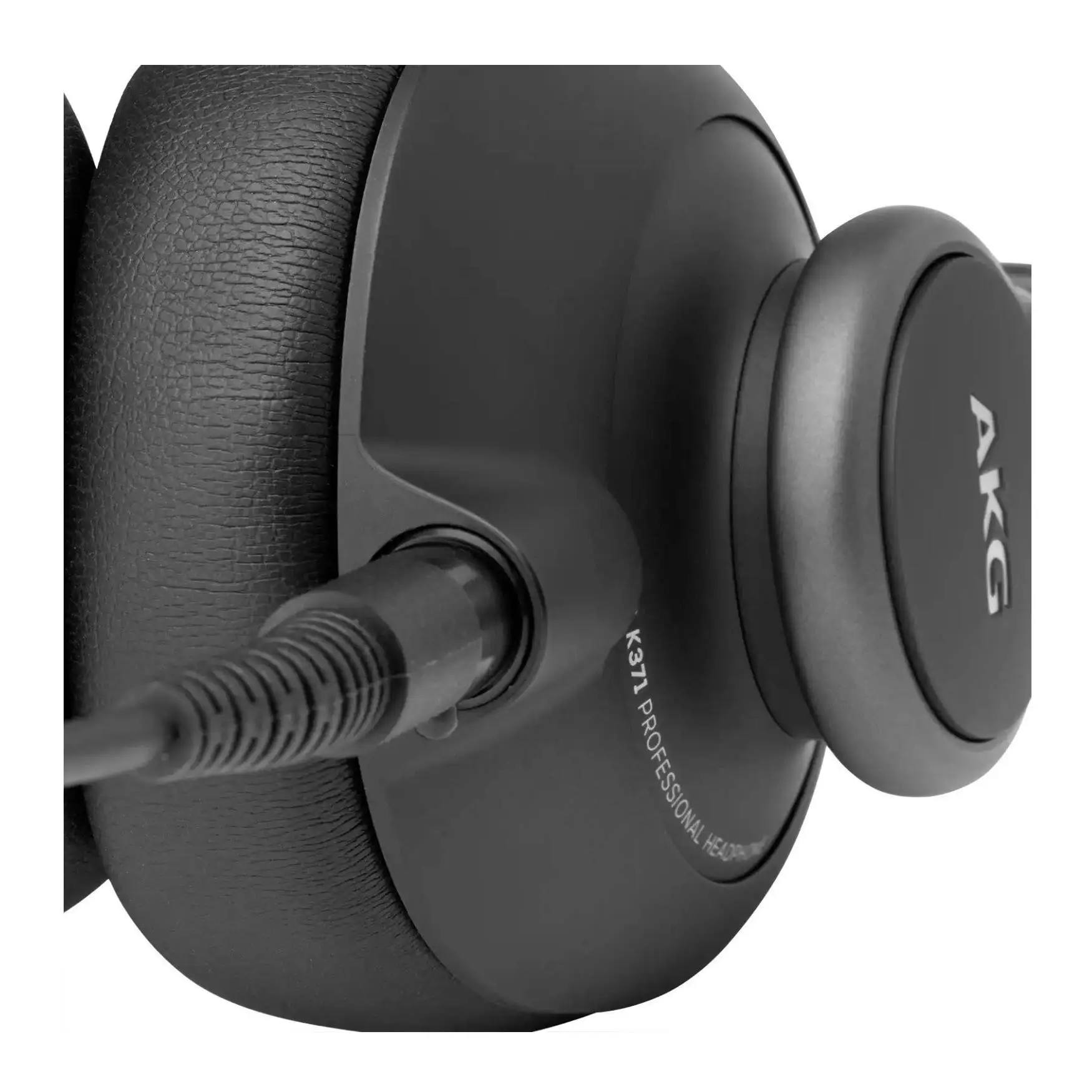
| Includes three detachable cables for flexibility | Mini‑XLR socket is proprietary and can be awkward |
| Strong isolation for a closed‑back | Isolation not sufficient for very loud environments (drums) |
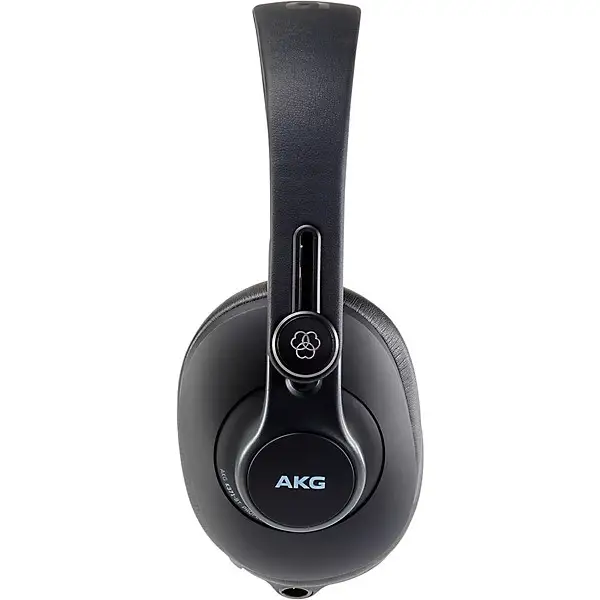
| Foldable, portable design with swiveling cups | Early units had hinge durability concerns |
| Easy to drive from portable devices | Headband padding glued on—can detach over time |
Claims vs Reality
AKG markets the K371 with “accurate, neutral sound and extended frequency response (5Hz–40kHz).” On paper, that’s reference‑grade ambition. Many creators agreed it’s close: Reddit user raistlin65 called them “very neutral … very good at resolving detail,” with vocals standing out. Several Sweetwater buyers echoed that the tuning is “very neutral and spacious” for tracking, ideal for mixing decisions without the hype of consumer headphones.
However, some spotted a subtle coloration. A Sweetwater reviewer noted they “sound quality is great but doesn’t feel neutral… too colored” for strict reference work. For casual listening, that coloration often reads as warmth, with Reddit comparisons to Audio‑Technica’s M50x highlighting the K371’s smoother treble and tighter bass.
The second big claim—“unmatched long‑wearing comfort”—holds for many but not all. Numerous reports praised their light 255g weight; one Sweetwater customer who streams 12–14 hours a day said, “comfortable enough to not need to take them off like my Corsair headphones did.” Yet others found the pads thin: Reddit’s u/… reported, “my ears touch the drivers and it starts to hurt after a few hours.”
Finally, AKG touts “superior isolation … to hear all the details.” In practice, isolation is solid for office/studio work and blocking moderate background noise, but as one Sweetwater reviewer cautioned, “don’t have the best isolation… be careful of click bleed with vocalists,” and they’re not suited for live drum tracking without volume compensation.
Cross‑Platform Consensus
Universally Praised
One of the K371’s most celebrated traits is its tuning. Reddit threads are full of users calling it an “easy recommendation” under $500, citing a balance that works for both production and enjoyment. A long‑time open‑back listener wrote, “It’s one of those headphones that isn’t super impressive in technicalities, but just sounds right… very little chance of listening fatigue.”
That tuning translates well to reference and tracking work. Sweetwater buyers in home studios use them for vocals, guitar, bass, and even low‑tuned metal, praising their ability to “get clarity down in those lower frequencies.” For DJs and mobile creators, the foldable design and 90° swivels are another hit: “Perfect if you often are working with one ear off,” one reviewer noted, with robust hinges and portability that “stands up to your mobile lifestyle.”
Cable flexibility also wins points: each box includes a short straight, long straight, and coiled cable. Multiple studio owners highlighted how they swap to fit the session or desk setup.
Common Complaints
Comfort, though generally positive, emerges as the top recurring complaint. Shallow pads lead some to feel the drivers against their ears; “became uncomfortable within an hour” was one Sweetwater report from a high‑hour listener, who later upgraded to Brainwavz sheepskin pads with comfort and sound improvements.
Build quality gripes tend to focus on specific weak points: faux‑leather peeling within a year despite careful use, glued‑on headband padding detaching, and early runs with hinge failures. One buyer’s headband “snapped… applying no particular unusual force” after just three months.
A more niche frustration is the proprietary mini‑XLR cable. Some found it prone to seizing or awkward positioning: “Every time I turn my head to the left it hits my shoulder… the rigidity adds to it,” a Sweetwater/Reddit crossover reviewer lamented.
Divisive Features
Bass tuning is divisive depending on listener background. Coming from bass‑light studio monitors, the extended sub‑bass can feel lush and satisfying; from bass‑boosted consumer sets, it might seem restrained except for deep‑sub emphasis. Treble is similarly subjective: some relish its smoothness as fatigue‑free, while others consider it “slightly dark” and in need of minor EQ for perfect balance.
Isolation falls into the “good enough” camp—ideal for office, streaming, and vocal tracking, but not for high‑SPL monitoring. This split is reflected between engineers tracking quieter sources and those working with loud amps or drums.
Trust & Reliability
While there’s no widespread scam pattern, longevity is a mixed bag. Some owners report years of solid use—especially post‑2020 units, after early hinge issues were allegedly addressed. Others encountered part failures in months. The proprietary cable connection is a repeated weak point, with reports of sockets loosening or locking up entirely.
On the positive side, AKG and retailers like Sweetwater earned praise for honoring warranties quickly. One reviewer had their first pair repaired without hassle, another swapped for a fresh unit after a hinge break.
Alternatives
The most common cross‑shop models are well‑known closed‑backs:
Audio‑Technica ATH‑M50x: Often more “fun” with a V‑shaped signature—boosted bass and treble—but less accurate and more fatiguing over time. Reddit users who sold theirs cited “harsh highs and overall wonky sound signature,” preferring the K371’s smoother tonality.
Beyerdynamic DT 770 Pro: Praised for comfort and build (“built like a tank”), but its scooped mids and treble peaks make it less neutral. Isolation is similar or slightly worse in noisy environments, according to user comparisons.
Sennheiser HD 280 Pro: Cheaper and durable, but multiple Sweetwater users described the K371 as a “big step up… full, rich, warm, accurate” with better soundstage.
Price & Value
Recent eBay listings put new units around $179, with B‑stock dipping to ~$139, and occasional Amazon Renewed deals at similar pricing. Given community sentiment that they “dominate the competition” until jumping to ~$500 models, many consider them one of the best value studio cans. Resale is solid if kept in good shape—buyers value the inclusion of all three cables and original pouch.
Pro tip from Reddit: watch for sales on both K371 and its sibling K361; the latter is closer to flat and sometimes even cheaper, making it a better fit if you do more mixing than casual listening.
FAQ
Q: Are the AKG K371 good for mixing?
A: Many engineers find them close enough to flat for reliable mixes, especially compared to consumer headphones. However, some prefer the AKG K553 MkII or pad upgrades for improved treble resolution and imaging during critical work.
Q: Can they run directly from a phone or laptop?
A: Yes. At 32 ohms impedance and 114dB/V sensitivity, they’re easy to drive from mobile devices without an amp. Several users confirmed using them straight from laptops and phones.
Q: How is the isolation compared to ANC headphones?
A: Isolation is good for blocking moderate background noise, like office chatter or air conditioning. It’s not on par with active noise‑cancelling models for travel or very loud environments.
Q: Do they work for gaming?
A: Many used them for gaming, citing accurate positional cues and balanced sound, but shallow pads might be a comfort factor in long sessions without modifications.
Q: Are replacement pads and cables easy to find?
A: Pads are replaceable, and third‑party options (e.g., Brainwavz, Dekoni) can improve comfort and soundstage. Cables must fit the proprietary mini‑XLR port, so sourcing spares can be trickier and more expensive.
Final Verdict
Buy if you’re a musician, streamer, or content creator seeking neutral closed‑backs with deep bass reach, portable design, and cable flexibility under $200. Avoid if you have very large ears, rely on maximum isolation for loud tracking, or dislike proprietary connectors. Community pro tip: if the stock pads bother you, invest in thicker oval replacements—several owners reported “night and day” comfort and sound improvements.