AKG K371 Headphones Review: Neutral Sound, Mixed Comfort
An unassuming studio workhorse, the AKG K371 Wired Over-Ear Closed-Back Professional Headphones has earned an enthusiastic 8.7/10 from real-world users across audiophile communities, studio monitoring circles, and casual listening forums. Beneath its understated design, the K371 packs a tuning that many describe as “the best closed-back under $500,” combining Harman-target neutrality with impressive bass extension that hits as deep as 20 Hz without bloating the mids. But while its sonic performance regularly wins praise, recurring reports of pad wear, fragile faux leather, and proprietary cable annoyances temper the hype.
Quick Verdict: Conditional — superb sound for neutral-tuning fans, but comfort mods and careful handling recommended.
| Pros | Cons |
|---|---|
| Accurate Harman-based tuning with outstanding bass extension | Stock pads thin; some users’ ears touch drivers causing discomfort |
| Lightweight (255g) and portable foldable design | Faux leather headband/pads show wear within a year |
| Detachable cables with straight and coiled options | Proprietary mini-XLR limits easy cable replacement |
| Easy to drive from phones, laptops, and audio interfaces | Isolation adequate but insufficient for loud drum tracking |
| Solid build for price point; metal hinge reinforcement | Headband breakage reported in rare cases |
| Deep sub-bass without muddying mids | Slight treble darkness; some desire more upper treble “sparkle” |
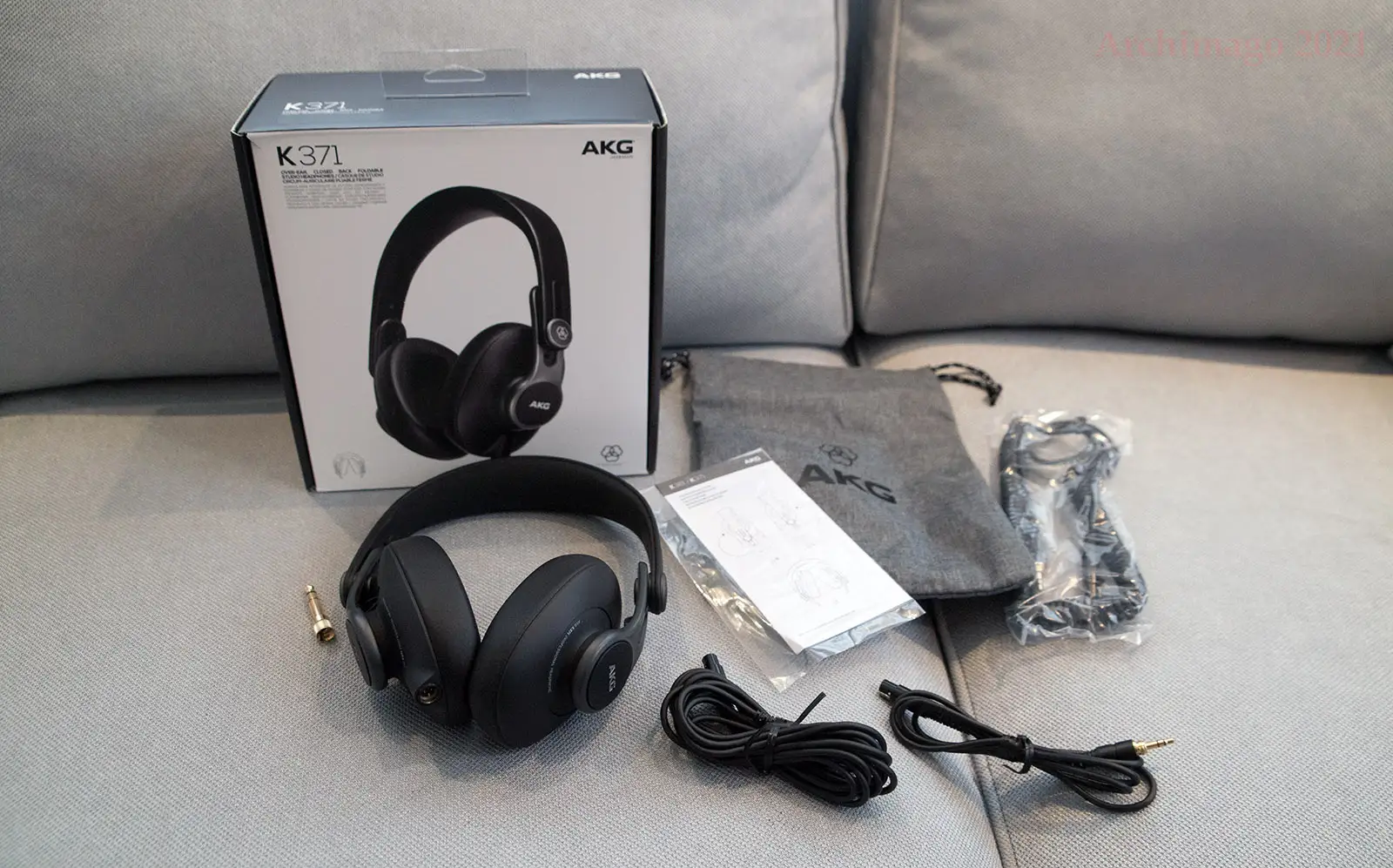
| Comes with 3 cables and a carry pouch | Cables kink easily and feel heavy to some users |
Claims vs Reality
AKG’s marketing leans hard on the K371’s “precision-engineered to match AKG’s reference response” and “studio-quality sound with superior isolation.” In practice, the tuning claim holds up remarkably well. Reddit user u/raistlin65 confirmed: “They have a very neutral presentation with some emphasized sub bass… vocals are going to sound great with them. Easy to drive with a phone.”
But the “superior isolation” pitch is less consistent. While fitting snugly over most ears, several Sweetwater buyers note leakage with vocal tracking: “Even at moderate volume levels, you'll have to be careful of click bleed… I would not recommend these for tracking drums.” AKG’s “unmatched comfort” remains true for many — “I wear these for 12-14 hours a day while I stream,” wrote one Trustpilot reviewer — though others ran into pad thinness and ear-driver contact after marathon sessions.
Marketing also touts “metal-reinforced components confirmed by stress testing.” Yet real-world feedback includes cases of headband snapping after a few months, challenging that durability claim. This isn’t rampant, but enough reports suggest cautious handling.
Cross-Platform Consensus
Universally Praised:
The most consistent praise is for the Harman-neutral tuning with convincing sub-bass. Head-Fi.org reviewers describe the tonality as “well-balanced and fairly linear” with rich, controlled low end that benefits bassists, DJs, and listeners of electronic music without smothering detail for vocalists and acoustic genres. Reddit’s headphone community compares it favorably to pricier models: “My favorite closed-back below $400… agreeable tuning, decent performance, portable, comfortable, easy to drive,” wrote one long-term office user.
Portability is another hit. Folding cups and a modest weight make it viable for mobile producers and gamers. Sweetwater buyers who commute for studio work note it slips easily into a carry pouch without feeling fragile. Detachable cable flexibility is appreciated in both professional and casual contexts — a replacement after damage is straightforward (unless proprietary fitting issues arise, discussed later).
Common Complaints:
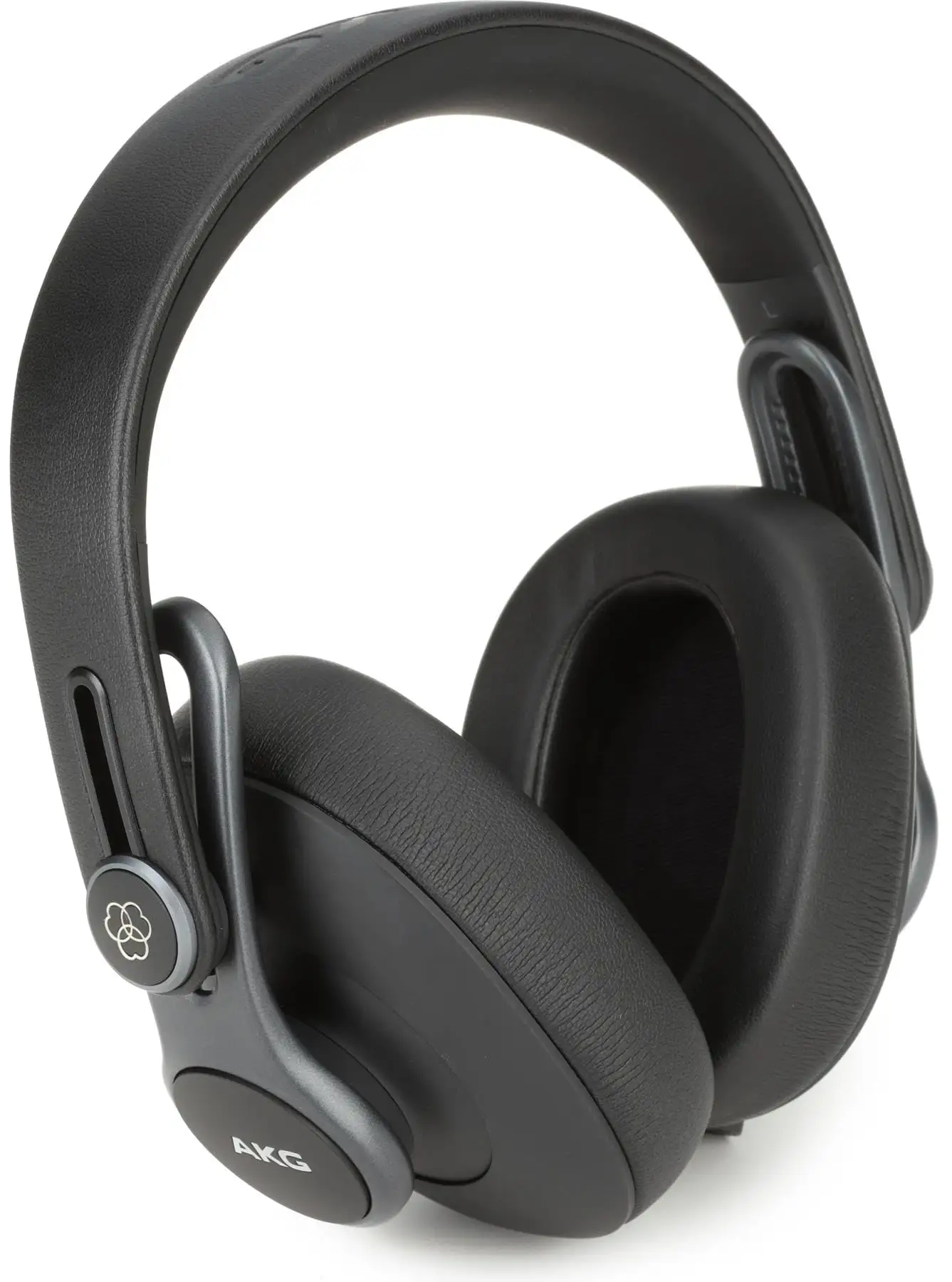
Comfort divides opinion. The thin stock pads cause ear-driver contact for those with larger ears, leading to soreness in extended use. Many swap to Brainwavz or Dekoni aftermarket pads, which improve distance from drivers and treble resolution. As one studio user reported: “After swapping pads, treble resolution, stereo imaging, and soundscape are all improved… and they are far more comfortable now.”
Material longevity is also questioned. Faux leather headband covers and pad pleather reportedly peel within a year for frequent users, even when stored carefully. Cable quirks surface often — heavy kinks in new cables, and the proprietary mini-XLR connector draws frustration. A Sweetwater reviewer summed it: “The proprietary cable connection is just unnecessary… IMO there are better options on the market.”
Isolation, while adequate for home and office, doesn't match heavy-duty sealed monitors like Beyerdynamic DT770 when tracking loud instruments. As one musician noted after a drum session: “They don't have the best isolation — you'll have to gain these up pretty hot to overcome outside noise.”
Divisive Features:
Treble tuning is subtly dark, pleasing to those sensitive to high-end sharpness, but lacking “sparkle” for detail seekers. Head-Fi.org’s in-depth analysis found it “more towards warm than sparkly or sizzly,” while others appreciated the fatigue-free listening. Comparisons with Audio-Technica ATH-M50x reveal the K371’s smoother upper range, which some prefer over the M50x’s boosted highs.
Trust & Reliability
Trustpilot entries, Sweetwater reviews, and Reddit threads show low incidence of outright failure, but clear patterns in wear-and-tear concerns. Headband snapping is rare yet documented, and AKG’s mini-XLR cable mount occasionally seizes, preventing easy swaps. FakeSpot analysis detected Amazon review manipulation history, though the core of genuine reviews still trends positively (74% reliability estimate).
Longer-term Reddit users report pad deterioration after 6–12 months of daily use and recommend early pad upgrades to preserve comfort and sound quality. “The faux leather covering was peeling off within a year… pretty disappointing,” noted a Sweetwater customer, despite careful handling.
Alternatives
Competitors mentioned by users include Audio-Technica ATH-M50x, Beyerdynamic DT770 Pro, and Sennheiser HD280 Pro. The M50x offers more upper treble and midbass warmth but can be fatiguing for long sessions. DT770’s brighter signature and wider stage appeal to some, yet the K371 is considered more tonally accurate. HD280 delivers better passive isolation but lacks the K371’s sub-bass extension and comfort convenience.
Head-Fi comparisons underline that the K371’s Harman tuning makes it stand out under $200, with several noting its ability to challenge open-back detail standards in its class.
Price & Value
New pricing hovers between $129–$149, with sale dips as low as $119 direct from AKG. eBay resale for nearly-new units ranges $119–$135, and B-stock offers appear at $139. Community advice emphasizes buying from outlets with strong return policies and considering pad upgrades in cost planning. At current market rates, even factoring pad replacement, it remains one of the most value-rich closed-backs in the sub-$200 category.
FAQ
Q: Do the AKG K371 headphones need an amp?
A: No — at 32Ω impedance and 114 dB sensitivity, they’re efficiently driven by phones, laptops, and basic audio interfaces. Studio users found even USB-connected setups ample.
Q: How is the comfort for long sessions?
A: Many find it comfortable for 4+ hours, but stock pads may cause ears to touch drivers. Aftermarket pads (Brainwavz, Dekoni) solve this for larger ears and improve perceived openness.
Q: Can the cables be replaced easily?
A: They are detachable, but the mini-XLR connector is proprietary, limiting off-the-shelf options. Custom cables or AKG-supplied replacements may be required.
Q: Is the sound suitable for mixing and mastering?
A: Yes for general reference — tuned close to Harman target. However, some engineers prefer open-backs like Sennheiser HD600 for final mix due to detailed imaging.
Q: Does it block outside noise effectively?
A: It offers decent isolation for office or home use, but not enough for loud instrument tracking without bleed.
Final Verdict: Buy if you're a neutral-tuning enthusiast, streamer, or content creator seeking accurate sound with portable convenience. Avoid if you need maximum isolation for live drum tracking or if proprietary cable systems are a dealbreaker. Pro tip: Budget for aftermarket pads early — they can transform comfort and subtly enhance the already impressive sound.





